
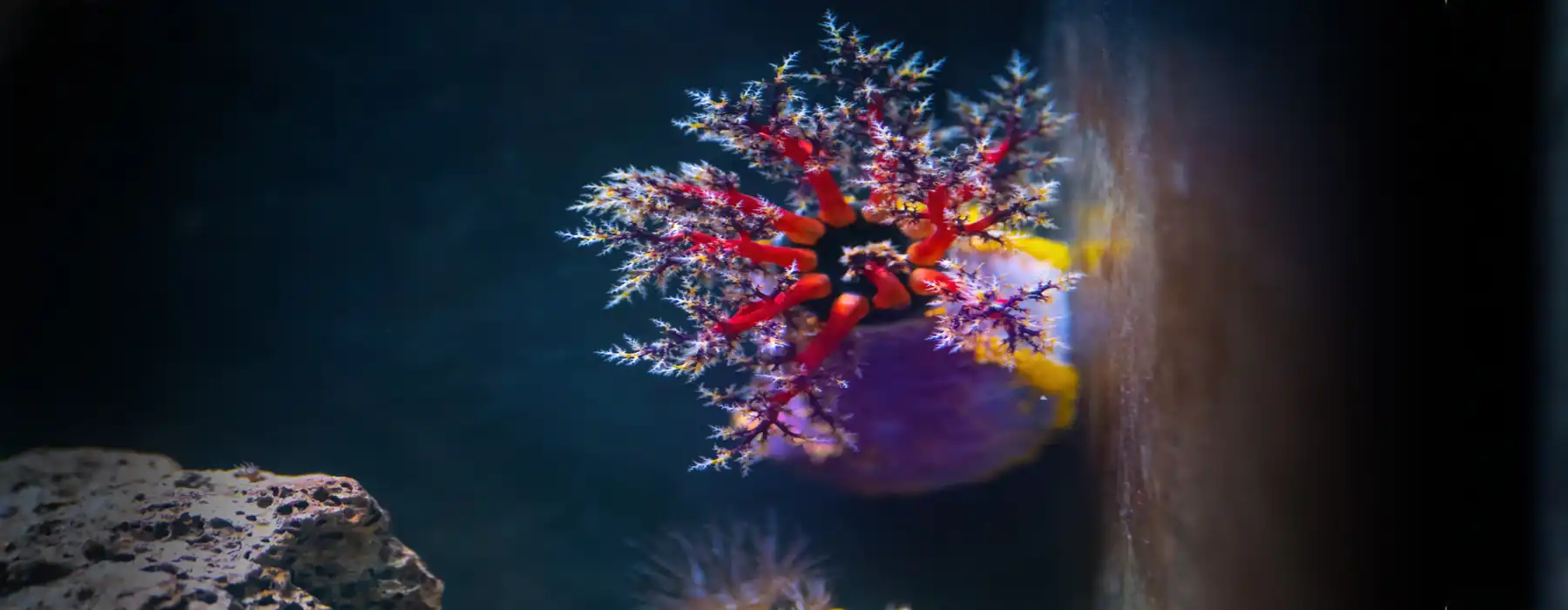
Joyful Beginnings: Creating a Thriving Home Aquarium You’ll Love For Pet Fish
Pet Fish Care Made Simple: Thriving Home Aquarium Tips for Fish and Invertebrates
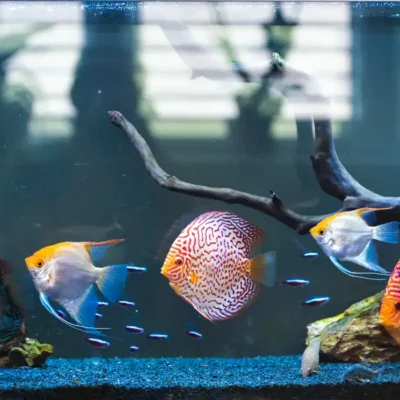
Bringing Pet Fish into your home is more than adding movement and color to a room. For many U.S. families, teens, and first-time hobbyists, a home aquarium becomes a calm daily ritual, a living ecosystem that rewards patience and care. A thriving tank doesn’t happen by accident. It grows from understanding how fish, invertebrates, water, and routine work together in balance.
This guide is designed to walk you through thriving home aquarium tips for fish and invertebrates in a way that feels natural and doable. You don’t need advanced science knowledge or expensive equipment. What you need is consistency, curiosity, and a willingness to slow down. From cycling your tank properly to choosing hardy freshwater fish species and low-maintenance aquarium invertebrates, everything here focuses on long-term success, not quick fixes.
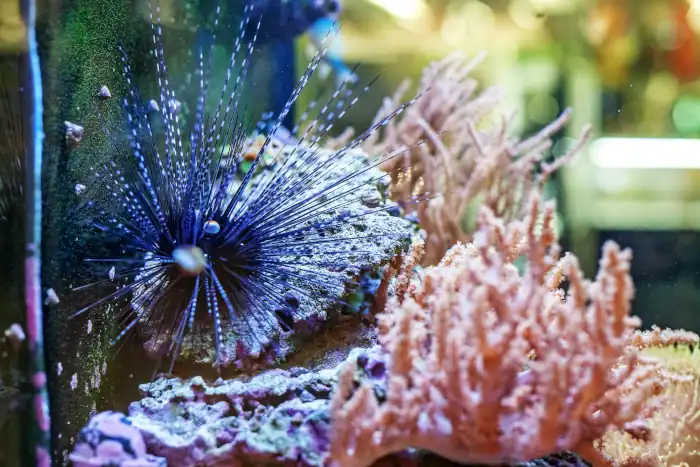
The Calm Power of Starting Right with Pet Fish
Most aquarium problems in the U.S. start with excitement. New owners buy a tank, fill it with water, and add fish the same day. Unfortunately, Pet Fish need more than clean water to survive. They need a stable biological environment, and that begins with understanding the nitrogen cycle for beginners.
Cycling your tank first means running your aquarium with a filter and heater for days or even weeks before adding fish. During this time, beneficial bacteria grow and learn to process fish waste. These bacteria convert toxic ammonia into nitrite and then into less harmful nitrate. This process is the foundation of all healthy aquariums. Without it, even the toughest fish struggle.
In U.S. homes where life moves fast, waiting can feel frustrating. But cycling first is an act of care. It sets the stage for healthy freshwater tank water quality, fewer losses, and a more enjoyable experience. Once the cycle is established, your aquarium becomes far more forgiving of small mistakes.
Why Tank Size Matters More Than Most People Think
When choosing Pet Fish, many beginners believe small tanks are easier. In reality, larger tanks are more stable. Water chemistry changes more slowly, temperature stays consistent, and fish experience less stress. Even a simple upgrade from a tiny bowl to a proper aquarium can dramatically improve fish health.
For example, Bettas are often sold as “easy” fish for small spaces. While they are hardy, a small tank stocking guide shows that Bettas truly thrive in tanks of 5+ gallons with filtration and gentle heating. In these conditions, their colors deepen, their fins stay intact, and their behavior becomes more curious and interactive.
Choosing the right tank size isn’t about luxury. It’s about creating a stable environment where Pet Fish and invertebrates can live naturally rather than just survive.
Consistency Is Key to Freshwater Tank Water Quality
One of the most overlooked truths in aquarium care is that consistency is key. Fish do not like sudden change. Large, infrequent water changes can shock them more than slightly imperfect water.
Healthy Pet Fish benefit from small, regular water changes. Replacing a portion of the water weekly helps remove excess nitrates while preserving beneficial bacteria. Testing water parameters regularly gives you insight into what your tank needs before problems appear.
In many U.S. households, tap water is treated with chlorine or chloramine. Using a water conditioner every time you add new water protects your fish and keeps your freshwater tank water quality stable. Over time, this routine becomes second nature, like watering plants or feeding a pet.
Lighting, Algae, and the Art of Balance
Light brings an aquarium to life, but too much of it creates stress and algae. One of the most effective tips for preventing aquarium algae is avoiding 24/7 lighting. Fish need darkness to rest, and algae thrive under constant light.
Most Pet Fish do well with a consistent light schedule of several hours per day. Natural room light combined with a controlled aquarium light often works best. When lighting is balanced, algae growth slows, fish colors look richer, and the entire tank feels calmer.
This is where invertebrates shine. A well-chosen aquarium cleanup crew works alongside proper lighting to keep algae under control without chemicals.
- 1-48 of over 1,000 results for "40 gallon fish tank"
- 1-48 of over 50,000 results for "fish tank"
- 1-48 of over 50,000 results for "fish tank"
- 1-48 of over 50,000 results for "fish tank"
- 1-48 of over 50,000 results for "fish tank"
- 1-48 of over 50,000 results for "fish tank"
- 1-48 of over 50,000 results for "fish tank"
Choosing Hardy Freshwater Fish Species for Confidence
Selecting the right fish makes all the difference, especially for beginners. Hardy freshwater fish species forgive small mistakes and adapt well to a range of conditions.
Accessibility StatementGuppies, Danios, and Mollies are excellent examples. These fish are active, colorful, and resilient. They help new owners build confidence while learning daily care routines. Zebra Danios and White Cloud Mountain Minnows are particularly tough and can even tolerate cooler, unheated tanks, making them popular in many U.S. classrooms and family homes.
Bottom-dwellers also play an important role. Bottom-dwelling scavengers like Corydoras catfish gently clean leftover food from the substrate while adding personality to the tank. Watching a group of Corydoras explore the bottom together is often one of the most enjoyable sights in a community aquarium.
Fish Compatibility Tips for a Peaceful Community
A thriving aquarium is not about how many fish you can fit, but how well they live together. Fish compatibility tips start with understanding temperament, size, and water needs.
Some Pet Fish are peaceful and social, while others are territorial. Bettas, for example, are stunning and interactive but usually do best alone or in carefully planned setups. Guppies and Mollies, on the other hand, thrive in groups and add constant motion to a tank.
Researching compatibility before buying prevents stress, fin damage, and unnecessary losses. A peaceful tank feels balanced, and fish behave more naturally, which is one of the greatest rewards of responsible aquarium keeping.
Low-Maintenance Aquarium Invertebrates That Make a Difference
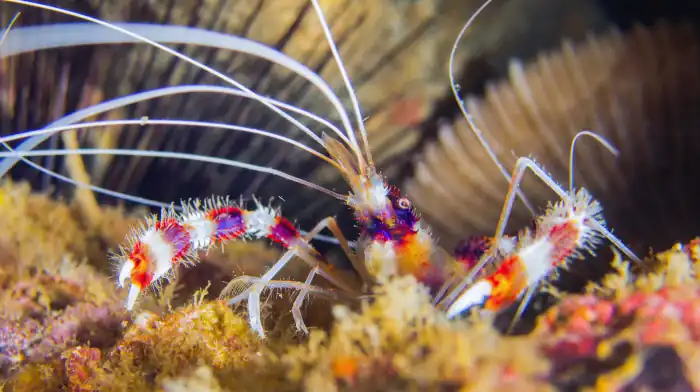
Invertebrates are often underestimated, yet they are essential allies in a healthy aquarium. Low-maintenance aquarium invertebrates support cleanliness and balance without adding much waste.
Amano shrimp are famous for their ability to reach tight spaces and remove algae that fish ignore. Nerite snails, including popular zebra varieties, are excellent algae cleaners and won’t overpopulate because they need brackish water to breed. Together, they form an efficient aquarium cleanup crew that reduces maintenance and keeps the tank looking natural.
For many U.S. hobbyists, adding invertebrates marks the moment an aquarium starts to feel like a complete ecosystem rather than a glass box with fish.
Feeding Pet Fish the Sustainable Way
Feeding is where many well-meaning owners go wrong. Sustainable fish feeding habits protect water quality and fish health at the same time. The widely recommended 2-minute rule exists for a reason. Fish should only be fed what they can eat within one to two minutes.
Overfeeding leads to excess waste, cloudy water, and algae blooms. It also shortens the lifespan of Pet Fish by stressing their digestive systems. Feeding smaller amounts once or twice daily keeps fish active and water conditions stable.
This approach reflects a broader shift in the U.S. toward mindful pet care. Less waste, more awareness, and better outcomes for animals.
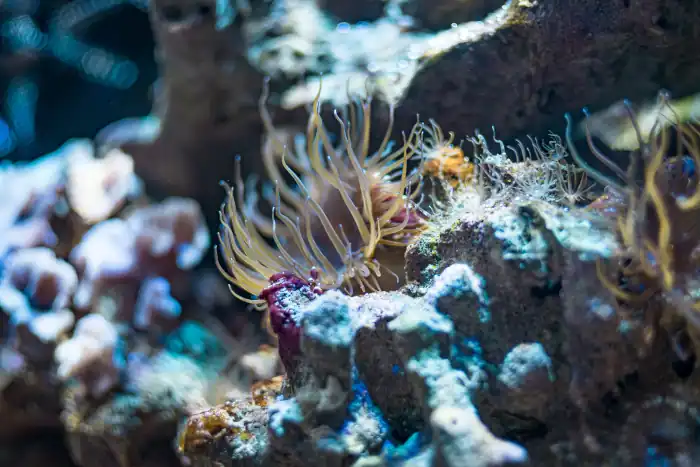
Avoiding Common Stocking Mistakes
A thriving aquarium grows slowly. Adding too many fish at once overwhelms the biological filter and disrupts the nitrogen cycle. Introducing new fish gradually allows beneficial bacteria to adjust and keeps ammonia levels under control.
Impulse buying is another common challenge. Fish stores are exciting, and colorful tanks invite quick decisions. Planning your community in advance ensures compatibility, proper space, and long-term success. Thoughtful stocking is one of the most important best aquarium tips for fish and invertebrates for home environments.
A Gentle Reflection: The U.S. and the Rest of the World
In the United States, aquarium keeping often emphasizes convenience and beginner-friendly systems. There is a strong focus on hardy species, simple setups, and accessible education. In many parts of the world, especially in Europe and Asia, aquariums are treated more like living art pieces, with greater attention to aquascaping, plant growth, and species-specific environments.
Both approaches share a common truth. Whether in a U.S. living room or a European studio apartment, Pet Fish thrive best when their keepers respect patience, balance, and consistency. The principles remain universal, even when styles differ.
Your Aquarium, Your Living Story
A home aquarium is not something you finish. It’s something you grow into. As you learn to read your fish’s behavior, adjust routines, and appreciate small changes, the tank becomes a quiet teacher. With the right start, thoughtful choices, and steady care, Pet Fish and invertebrates reward you with beauty, calm, and connection every single day.
Considerations
Take a moment today to look at your aquarium, or imagine the one you want to build. Ask yourself if your Pet Fish are truly thriving or just getting by. Small changes in patience, feeding, and consistency can transform their world and yours. Start slow, stay curious, and let your aquarium become a source of daily joy and balance in your home.
Product Tips
-
Dog Cushions Pet Bed Sofa Beds Large Dogs
Original price was: $10.26.$9.39Current price is: $9.39.




Disclosure: This site participates in various affiliate programs, including Amazon Services LLC Associates, eBay Partner Network, AliExpress Affiliate Program, and others. This means we may earn a commission on qualifying purchases made through links on this site, at no additional cost to you.
New Posts
- The Fascinating World of Exotic Pets You Can Legally Own

- Pet Environment Safety: A Happier, Greener Life for Animals and People
- The Exciting World of Reptile Spring Awakening
- The Joyful Return of Wings: Understanding Butterfly Spring Reproduction
Categories
Tags
animal conservation animal protection animal welfare cat grooming tips cat mental health Cats Health cat training dog behavior dog grooming Dog travel tips farm animal care farm animals farmyard animals Rabbit Care Tips working animals
Share: