
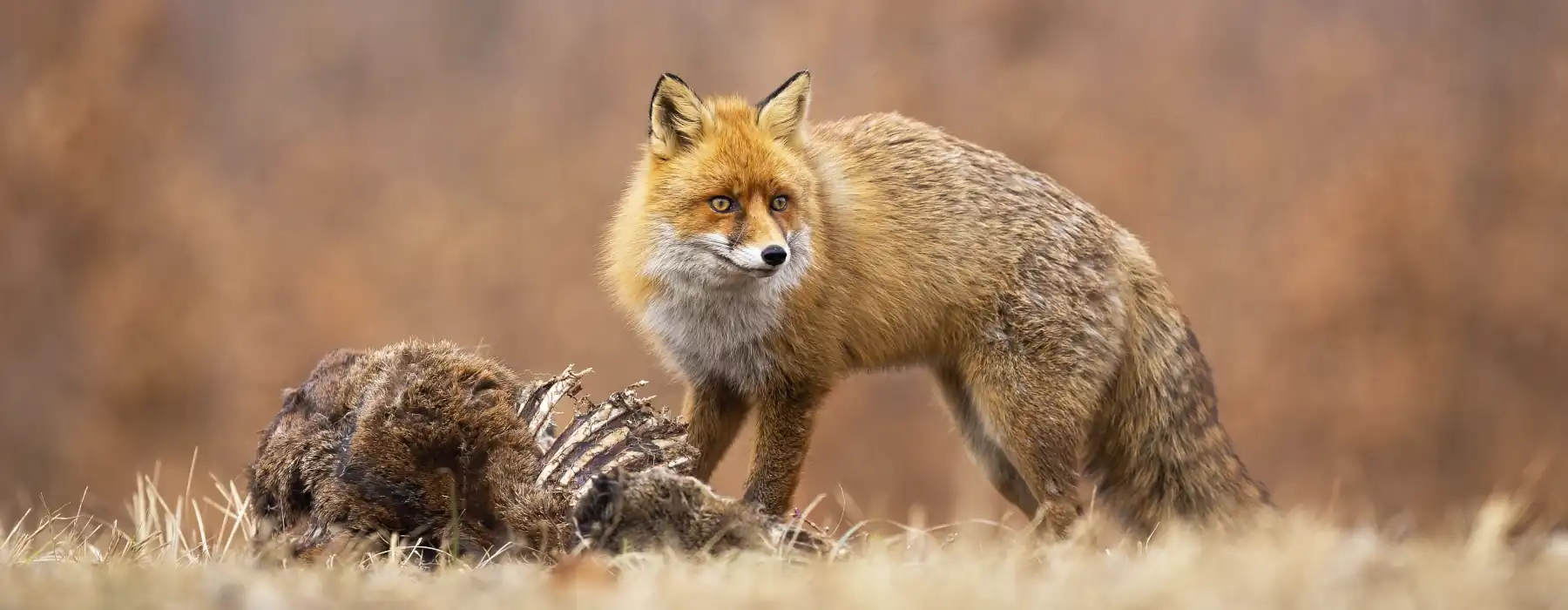
Wildlife Hopeful Paths for Nature’s Future
Wildlife and Endangered Species Conservation as a Shared Responsibility
Across the United States and around the world, Wildlife and Endangered Species Conservation has become more than a scientific concern. It is now a deeply human story about how our choices shape the future of the living world around us. From forests and wetlands to city parks and backyards, the fate of wildlife is closely tied to how we design our communities, enforce our laws, and live our everyday lives.
Biodiversity loss is no longer an abstract idea discussed only by scientists. Americans see it when familiar birds stop visiting feeders, when pollinators vanish from gardens, or when once-common species appear on endangered lists. Yet this story is not only about loss. It is also about restoration, resilience, and renewed connection. Through habitat restoration, strong legal protection frameworks, and meaningful individual actions, Wildlife and Endangered Species Conservation can remain a source of optimism rather than despair.
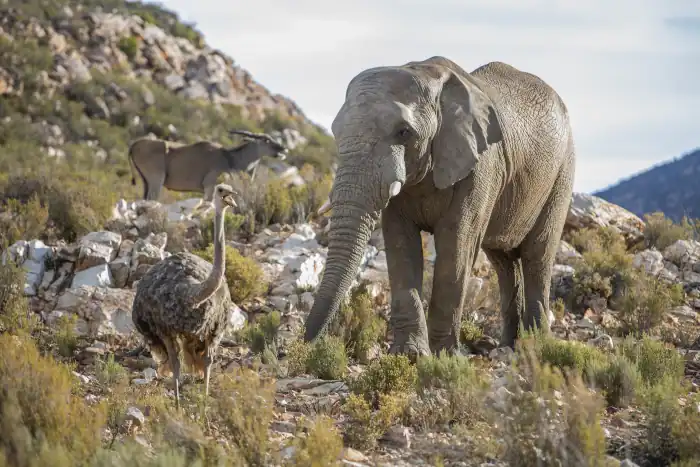
Healing the Land: Why Habitat Restoration Matters
At the heart of Wildlife and Endangered Species Conservation lies the land itself. Animals and plants cannot survive without safe, connected places to live. One of the greatest challenges today is habitat fragmentation, where roads, development, and agriculture break large ecosystems into isolated patches. These fragments often cannot support healthy populations, leading to genetic decline and local extinctions.
Habitat restoration seeks to reverse this trend by repairing damaged ecosystems and reconnecting broken landscapes. In the U.S., this can mean restoring prairie grasslands in the Midwest, reviving wetlands along the Gulf Coast, or reforesting areas affected by wildfire in the West. These projects do more than help wildlife. They also strengthen ecosystem services, such as clean water filtration, flood control, and carbon storage, which directly benefit human communities.
Restoration efforts increasingly focus on creating wildlife corridors, allowing species to migrate, find mates, and adapt to climate change. For example, reconnecting forest patches helps large mammals like mountain lions avoid dangerous encounters with roads and people. In this way, Wildlife and Endangered Species Conservation becomes a practical investment in long-term ecological stability.
Understanding Risk Through the IUCN Red List
To decide where restoration and protection are most urgently needed, conservationists rely on science-based tools like the IUCN Red List. This global system categorizes species by their risk of extinction, ranging from Near Threatened to Critically Endangered. These categories help guide funding, research, and policy decisions worldwide.
In the United States, many species listed as Endangered or Vulnerable under international standards also receive protection through national laws. By aligning domestic conservation efforts with global assessments, Wildlife and Endangered Species Conservation gains clarity and consistency. It becomes easier to explain to the public why certain species require immediate action, while others need preventive care before their situation becomes dire.
This shared language of risk also reminds us that extinction is not a sudden event. It is a process that unfolds over time, often invisibly, until it is too late. Recognizing early warning signs allows conservation to shift from crisis response to proactive stewardship.
The Backbone of Protection: U.S. Legal Frameworks
One of the strongest tools supporting Wildlife and Endangered Species Conservation in America is the U.S. Endangered Species Act (ESA). Passed in 1973, the ESA provides legal protection for species at risk of extinction and the habitats they depend on. It has played a critical role in the recovery of iconic species such as the bald eagle and the American alligator.
The ESA works by restricting activities that harm listed species, requiring federal agencies to consider environmental impacts, and promoting recovery plans based on scientific evidence. While the law has faced political debate, its effectiveness is widely recognized among conservation experts. It demonstrates how legal protection frameworks can translate ethical values into enforceable action.
Beyond federal law, state-level regulations, tribal stewardship, and local conservation ordinances also shape outcomes. Together, these layers form a safety net that supports Wildlife and Endangered Species Conservation across diverse landscapes. When laws are paired with adequate funding and public support, they create lasting change rather than temporary fixes.
- Trail Camera Solar Powered 4K 46MP, WiFi Bluetooth Game Camera with 32GB…
- GardePro A50 Trail Camera (Non-Cellular, Non-WiFi), True 4K Video, 0.1s…
- DETIKO Bird Feeder with Camera, 2K HD 147° Wide Angle, Live View, Solar…
- TT Nature Smart Bird Feeder with Camera Solar Powered Squirrels-Proof, AI…
- Briggren WiFi Solar Trail Camera – 2.7K 48MP Game Camera with Night Vision &…
- FlowaFoli Bird Feeders for Outdoors, Metal Bird Feeder with Double Suet Cage…
- Bird Feeder Squirrel-Proof Bird Feeder with Camera Watch The Birds Feed
- Richbird Waterproof Smart Window Bird Feeder Camera with AI, All-Weather 2K…
Captive Breeding and Science-Driven Recovery
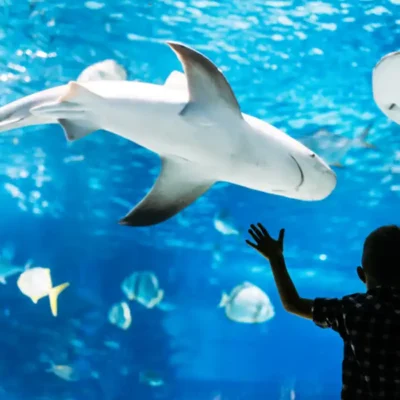
In some cases, habitat protection alone is not enough. When wild populations fall too low, captive breeding programs become a vital part of Wildlife and Endangered Species Conservation. Zoos, aquariums, and research centers across the U.S. collaborate to breed endangered species in controlled environments, maintaining genetic diversity and preparing animals for reintroduction into the wild.
These programs are often misunderstood, but they are not about keeping wildlife in cages indefinitely. Instead, they function as a bridge, buying time while habitats are restored and threats are reduced. Success stories include the California condor and the black-footed ferret, both of which would likely be extinct without captive breeding efforts.
Science continues to refine these programs, using genetic research and behavioral studies to improve survival rates after release. When combined with habitat restoration and legal protection, captive breeding highlights how Wildlife and Endangered Species Conservation thrives on integrated solutions rather than isolated actions.
Community-Based Conservation: The Human Connection
While laws and science form the structure of conservation, the emotional core lies in community-based conservation. This approach recognizes that people living near wildlife are not obstacles but partners. When local communities benefit from conservation, they are more likely to support it.
In the U.S., community-based projects may involve ranchers working with conservation groups to protect grasslands, or coastal towns restoring oyster reefs that support both fisheries and biodiversity. These efforts reduce human-wildlife conflict by aligning economic and ecological goals.
Wildlife and Endangered Species Conservation succeeds best when it respects local knowledge and values. Education programs, shared decision-making, and economic incentives all help create trust. Over time, conservation shifts from an external mandate to a shared identity rooted in place.
Everyday Choices That Shape Biodiversity
Not all conservation happens in remote wilderness areas. Individual actions play a powerful role in Wildlife and Endangered Species Conservation, especially in a country where suburban and urban spaces dominate. Simple choices can collectively influence biodiversity on a large scale.
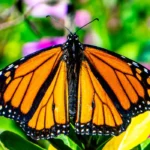
Wildlife-friendly gardening is one of the most accessible examples. Replacing traditional lawns with native plants creates small but meaningful habitats for birds, bees, and butterflies. Native planting can even form corridors for migratory species like Monarch butterflies, helping them navigate fragmented landscapes.
Sustainable consumption also matters. Choosing products that reduce deforestation, limit pollution, or support ethical supply chains helps address the root causes of biodiversity loss. These decisions send signals to markets and policymakers alike, reinforcing the idea that conservation is not separate from daily life.
Citizen Science and the Power of Participation
Technology has opened new doors for public involvement in Wildlife and Endangered Species Conservation. Through citizen science platforms like iNaturalist and eBird, individuals can record wildlife sightings that contribute to real scientific research. These observations help track species distributions, migration patterns, and population changes over time.
For teens and adults alike, citizen science transforms conservation from a distant concept into a personal experience. It encourages curiosity, learning, and a sense of stewardship. When people see their data contributing to research and policy decisions, conservation becomes tangible and rewarding.
This participatory approach also builds public awareness. The more people understand local biodiversity, the more likely they are to support policies that protect it. In this way, individual engagement strengthens the broader conservation system.
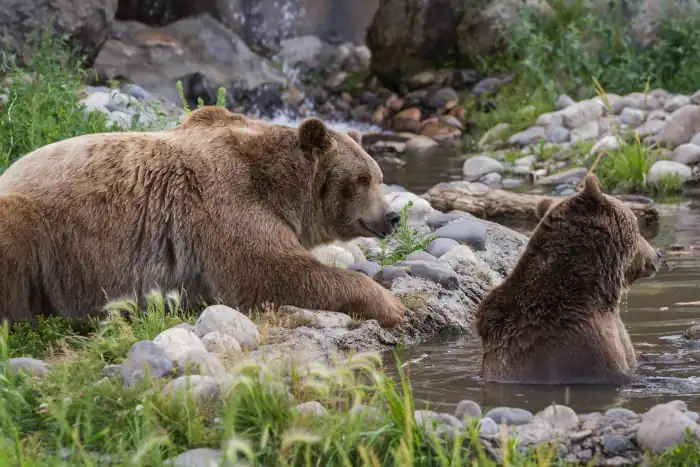
The 30 by 30 Vision and Long-Term Hope
Looking ahead, one of the most ambitious global efforts linked to Wildlife and Endangered Species Conservation is the 30 by 30 goal. This initiative aims to protect 30 percent of the Earth’s land and oceans by the year 2030. In the U.S., this vision has sparked discussions about expanding protected areas while respecting private land rights and indigenous sovereignty.
The goal is not simply about drawing lines on maps. It emphasizes effective management, ecological connectivity, and community involvement. If implemented thoughtfully, 30 by 30 could help slow biodiversity loss while supporting climate resilience and economic opportunity.
This long-term perspective reminds us that conservation is a continuous journey. Success depends on sustained commitment rather than short-term victories.
A Reflection: The U.S. and the Global Conservation Story
When comparing the United States to the rest of the world, Wildlife and Endangered Species Conservation reveals both strengths and challenges. The U.S. benefits from strong legal frameworks like the ESA, advanced scientific research, and active civil society organizations. However, it also faces high consumption rates and extensive land use pressures that contribute to global biodiversity loss.
In many parts of the world, conservation struggles with limited funding and political instability, yet local communities often maintain deep ecological knowledge and cultural ties to nature. The most effective future strategies will likely blend these approaches, combining strong institutions with grassroots stewardship.
Ultimately, conservation is not a competition between nations. It is a shared effort shaped by local realities and global responsibility. The choices made in American neighborhoods ripple outward, just as decisions abroad influence ecosystems we all depend on.
Consideration.
Wildlife and Endangered Species Conservation is not only about saving animals. It is about protecting the living systems that support our own lives. Take a moment to notice the nature around you, learn the story of one local species, or make one small change that supports biodiversity. Every action, no matter how simple, helps keep hope alive for the planet we share.
Product Tips
-
Pet Deep Sleep Small Dog Cat Bed Washable Removable
Original price was: $25.88.$8.02Current price is: $8.02. -
Sisal False Mouse Cat Toy Bite Resistance Stuffed Toy
Original price was: $5.26.$0.99Current price is: $0.99.




Disclosure: This site participates in various affiliate programs, including Amazon Services LLC Associates, eBay Partner Network, AliExpress Affiliate Program, and others. This means we may earn a commission on qualifying purchases made through links on this site, at no additional cost to you.
New Posts
- The Fascinating World of Exotic Pets You Can Legally Own
- Pet Environment Safety: A Happier, Greener Life for Animals and People

- The Exciting World of Reptile Spring Awakening
- The Joyful Return of Wings: Understanding Butterfly Spring Reproduction
Categories
Tags
animal conservation animal protection animal welfare cat grooming tips cat mental health Cats Health cat training dog behavior dog grooming Dog travel tips farm animal care farm animals farmyard animals Rabbit Care Tips working animals
Share: