
The Joyful Return of Wings: Understanding Butterfly Spring Reproduction
Butterfly Spring Reproduction and the Great Awakening After Winter Dormancy
Spring in the United States feels like a collective exhale after a long winter, and nowhere is that renewal more visible than in the fascinating world of Butterfly Spring Reproduction. As warmer days arrive and flowers begin to bloom, butterflies and many other insects awaken from months of dormancy with a clear biological mission: feed, find mates, and ensure the survival of the next generation. This powerful seasonal transformation isn’t just beautiful to watch — it’s an essential part of ecosystems across North America and beyond.
The surge of activity that defines Butterfly Spring Reproduction is driven by rising temperatures and longer daylight hours. As the air consistently warms above roughly 59°F, internal physiological processes accelerate, triggering emergence from pupae, renewed flight activity, and complex mating behaviors. The sudden burst of color and motion that fills gardens and fields every spring is actually a coordinated response shaped by evolution and survival.
The Great Awakening: Breaking Dormancy With New Energy
After months of winter diapause, insects across the United States begin waking in synchronized waves. Butterfly Spring Reproduction often begins with the final stage of metamorphosis, when butterflies emerge from their chrysalises ready to mate. The first moments after emergence are delicate, as wings expand and harden before the butterfly takes its first flight.
The transition from dormancy to full activity requires enormous energy. Butterflies rely heavily on nectar from early spring flowers to fuel their movements, and these feeding behaviors directly support Butterfly Spring Reproduction by giving adults the strength needed for aerial courtship and egg-laying. During this period, butterflies are especially sensitive to environmental conditions, making healthy habitats and pesticide-free gardens critically important.
The Magic of Metamorphosis and Timing
Metamorphosis is one of nature’s most astonishing processes, and it plays a central role in Butterfly Spring Reproduction. Some species overwinter as caterpillars or eggs, while others remain in the pupal stage. The moment they sense favorable conditions, hormones trigger their transformation into adults.
This precise timing ensures that emerging butterflies coincide with blooming host plants and nectar sources. Without this synchronization, successful Butterfly Spring Reproduction would be nearly impossible, as larvae would hatch without enough food to survive.
The Mating Dance: Romance in the Air
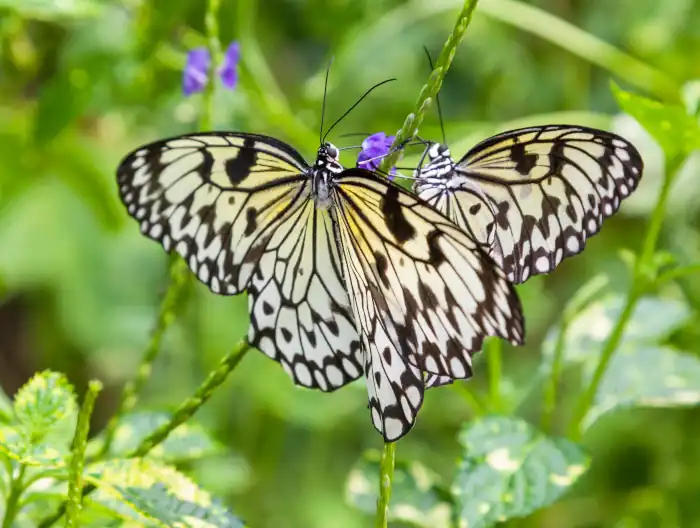
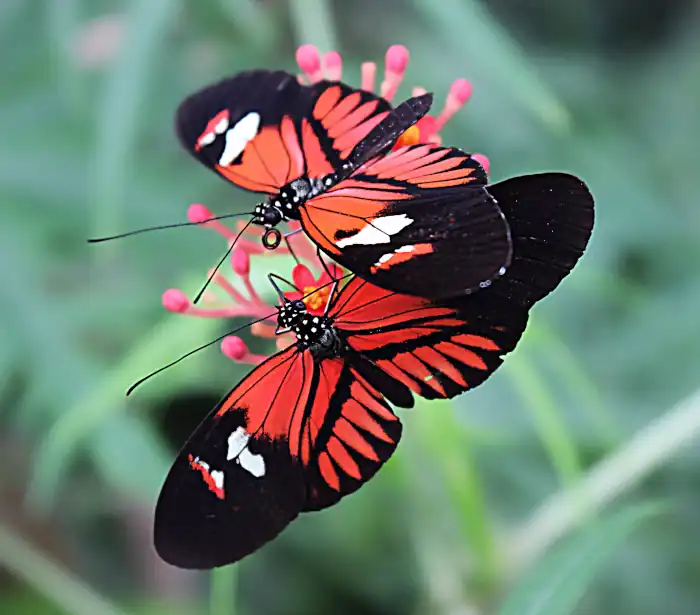
Spring skies become the stage for spectacular courtship rituals. Male butterflies engage in complex aerial displays, chasing potential partners and releasing pheromones that signal readiness to mate. These behaviors are a signature element of Butterfly Spring Reproduction, reflecting the urgency of a short adult lifespan.
Females play a highly selective role, choosing mates based on flight patterns and chemical cues. After mating, they begin an intense search for the right host plants — a critical step in Butterfly Spring Reproduction that determines whether the next generation will thrive.
Host Plants and the Art of Egg-Laying
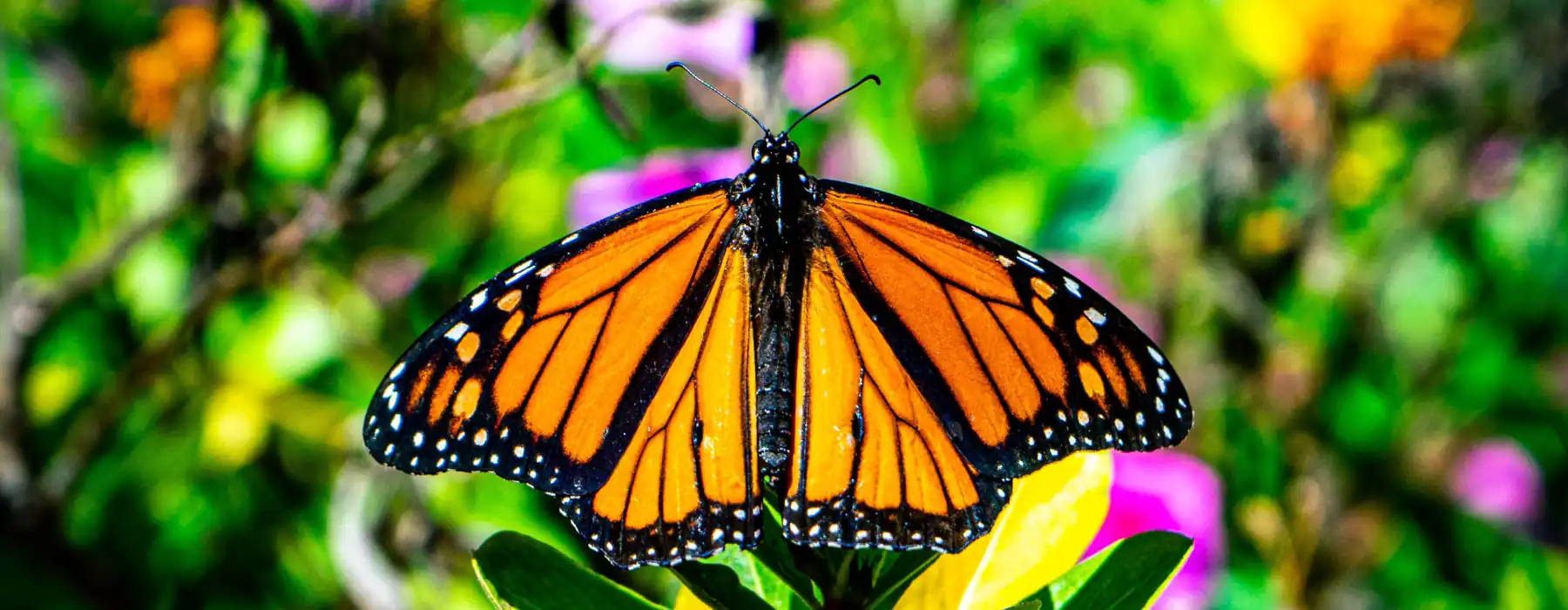
Monarch butterflies, one of the most iconic species in the United States, depend on milkweed as a host plant. Female monarchs carefully inspect leaves before laying eggs, ensuring that emerging caterpillars will have immediate access to food. This careful placement of eggs is a cornerstone of successful Butterfly Spring Reproduction, demonstrating how closely butterfly life cycles are tied to specific plants.
Eggs are typically laid on the underside of leaves for protection from predators and weather. Within days or weeks, caterpillars emerge and begin feeding nonstop, marking the start of another cycle that will eventually lead back to Butterfly Spring Reproduction in the following season.
- National Geographic Butterfly Growing Kit – Butterfly Habitat Kit with…
- RESTCLOUD 36" Large Monarch Butterfly Habitat, Giant Collapsible Insect Mesh…
- Insect Lore Butterfly Garden Kit – 10 Live Caterpillars, Habitat, STEM…
- Clearwater Butterfly Live Painted Lady Butterflies – Butterfly Growing Kit…
- Uncle Milton Butterfly Farm Live Habitat – Observe Caterpillars Transform…
- RESTCLOUD 30" Large Monarch Butterfly Habitat Cage, Outdoor Insect Mesh Cage…
- Large 30" Monarch Butterfly Cage – Heavy Duty Collapsible Mesh Habitat with…
- 36" Outdoor Mesh Plant Enclosure, Plant Cover for Pests, Bird and Pest…
Silk and Transformation: The Hidden Engineers of Spring
While butterflies form chrysalises, many moth species spin protective silk cocoons. Silk production is one of the most remarkable engineering feats in the insect world, and it supports metamorphosis during the broader season of Butterfly Spring Reproduction and insect renewal.
Silk Moths and the Protective Cocoon
Silk moth larvae can spin a single thread hundreds of meters long to create a cocoon that shields them during their transformation. Though adult silk moths often live only to reproduce, their lifecycle reflects the same urgency seen in Butterfly Spring Reproduction, where energy is invested primarily in mating and egg-laying.
Wasp Silk and Cellular Protection
Even wasp larvae utilize silk to seal themselves safely within hexagonal cells as they transition into adults. This use of silk highlights the shared biological strategies that many insects employ during spring emergence, reinforcing the interconnected nature of Butterfly Spring Reproduction and broader insect development.
The Social Buzz: Bees and Wasps Join the Spring Surge
Butterflies are not alone in their seasonal awakening. Honeybees, solitary bees, and wasps all become active as spring progresses, creating a vibrant ecosystem that supports pollination and food production. The same environmental cues that trigger Butterfly Spring Reproduction also initiate colony expansion and nesting behavior in these species.
Honeybee Swarming and Colony Reproduction
As flowers bloom, honeybee queens begin laying thousands of eggs daily. Colonies rapidly expand, and swarming becomes the primary method of reproduction at the colony level. During this time, the intense foraging activity that accompanies Butterfly Spring Reproduction also fuels bee populations, demonstrating the shared dependence on seasonal blooms.
Solitary Wasps and New Beginnings
Unlike bees, most wasps start spring as lone queens that survived the winter. They build small nests from wood pulp and raise their first brood independently. As workers emerge, the queen focuses solely on egg production, mirroring the reproductive intensity found in Butterfly Spring Reproduction across species.
Beetles, Spiders, and the “Flying All Over” Effect
The sudden increase in insect activity during spring can feel overwhelming. Ladybugs emerge from bark crevices to hunt aphids, while spiders spin fresh webs to capture newly abundant prey. This surge contributes to the impression that insects are “flying all over,” a phenomenon closely tied to Butterfly Spring Reproduction and synchronized ecological cycles.
Beetles and spiders play crucial roles as natural pest controllers, ensuring that ecosystems remain balanced. Their emergence supports butterfly populations by maintaining healthier plant communities and reducing competition for resources.
Creating a Safe Haven for Spring Reproduction
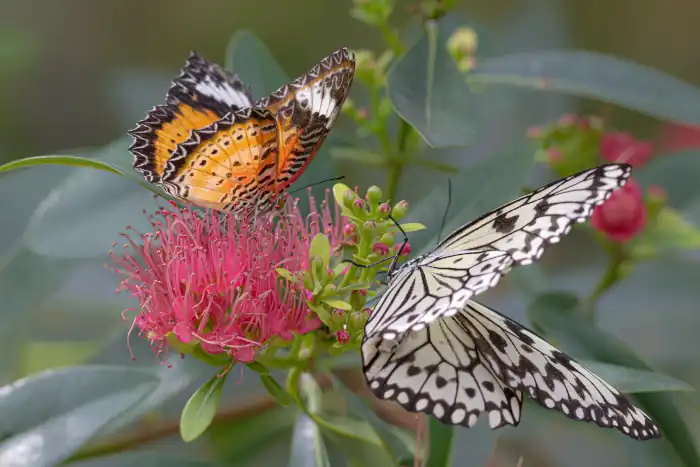
Supporting Butterfly Spring Reproduction in home gardens and local landscapes can make a significant difference for pollinators and beneficial insects. Planting native host plants alongside nectar-rich flowers creates a supportive environment for butterflies at every stage of life.
Avoiding early pruning preserves nesting sites for native bees, while shallow water stations help thirsty insects recover after emerging from dormancy. Limiting pesticide use protects vulnerable larvae during this critical period of Butterfly Spring Reproduction, allowing populations to grow naturally.
U.S. vs. Global Perspectives on Spring Insect Reproduction
In the United States, the timing of Butterfly Spring Reproduction varies widely from southern states like Florida and Texas to northern regions where snow lingers longer. The diversity of climates allows for a broad range of species, each adapted to specific environmental triggers.
Globally, similar patterns occur but may be influenced by monsoons, tropical wet seasons, or equatorial climates with less pronounced winters. While the United States experiences dramatic seasonal awakenings, many tropical regions see continuous cycles of reproduction. Despite these differences, the core biological drive behind Butterfly Spring Reproduction remains universal: survival through renewal.
A Final Reflection: The Shared Rhythm of Renewal
Observing Butterfly Spring Reproduction reminds us that spring is more than a seasonal shift — it is a powerful biological signal that reconnects all living things to the rhythms of nature. From butterflies performing aerial dances to bees rebuilding their colonies, the season represents hope, resilience, and continuity.
In the United States, community gardens and conservation programs increasingly focus on pollinator-friendly habitats. Around the world, similar efforts emphasize biodiversity and ecological balance. No matter the region, the delicate dance of Butterfly Spring Reproduction highlights the interconnected web of life and our role in protecting it.
Considerations.
Take a moment this spring to slow down and observe the tiny miracles happening around you. Plant native flowers, create a safe garden space, and share what you learn with others. Supporting butterflies and pollinators isn’t just good for nature — it connects us to the beautiful cycle of renewal that shapes every season.
Product Tips
-
Electrostatic Brush Pet Hair Remover Roller Pet Hair Remover
Original price was: $14.36.$5.17Current price is: $5.17. -
60ml Cat Dog Pet Spray Anti-flea Mites Ticks Flea treatment
Original price was: $8.26.$4.13Current price is: $4.13.




Disclosure: This site participates in various affiliate programs, including Amazon Services LLC Associates, eBay Partner Network, AliExpress Affiliate Program, and others. This means we may earn a commission on qualifying purchases made through links on this site, at no additional cost to you.
New Posts
- The Fascinating World of Exotic Pets You Can Legally Own

- Pet Environment Safety: A Happier, Greener Life for Animals and People

- The Exciting World of Reptile Spring Awakening
- The Joyful Return of Wings: Understanding Butterfly Spring Reproduction

Categories
Tags
animal conservation animal protection animal welfare cat grooming tips cat mental health Cats Health cat training dog behavior dog grooming Dog travel tips farm animal care farm animals farmyard animals Rabbit Care Tips working animals


Share: