
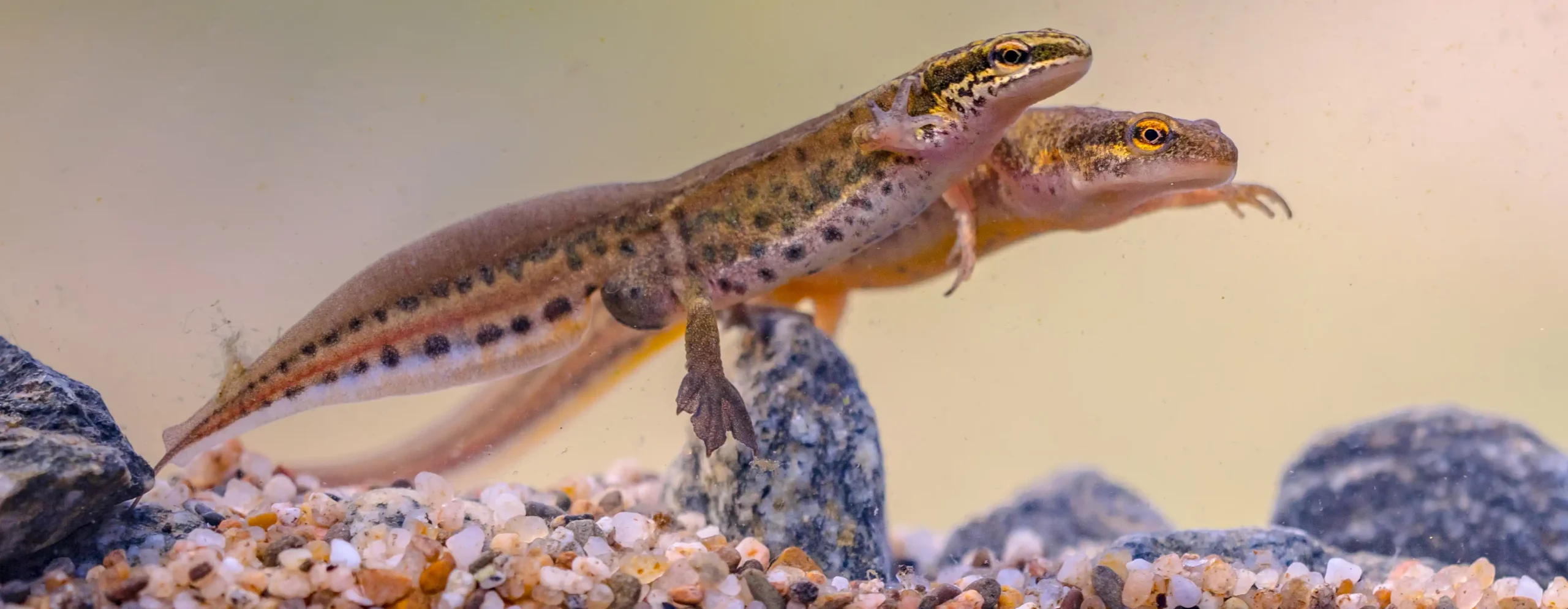
The Exciting World of Reptile Spring Awakening
Reptile Spring Awakening: Understanding Seasonal Changes in Captivity vs. the Wild
Every year, as the weather warms and daylight stretches longer, reptiles experience a powerful biological shift known as Reptile Spring Awakening. In nature, this seasonal surge begins when reptiles emerge from winter dormancy, or brumation, ready to hunt, explore, and reproduce. For pet owners in the United States, understanding Reptile Spring Awakening is just as important, because captive reptiles often mirror these seasonal rhythms even when they live inside climate-controlled homes.
This article explores how Reptile Spring Awakening unfolds in both the wild and captivity, explains behavioral changes you might see in your pet, and provides practical insights into habitat adjustments — especially for gecko owners building the perfect home. By understanding the science and the emotional rhythms behind this seasonal shift, you can create a healthier, safer, and more enriching environment for your reptile companion.
The Natural Magic Behind Reptile Spring Awakening
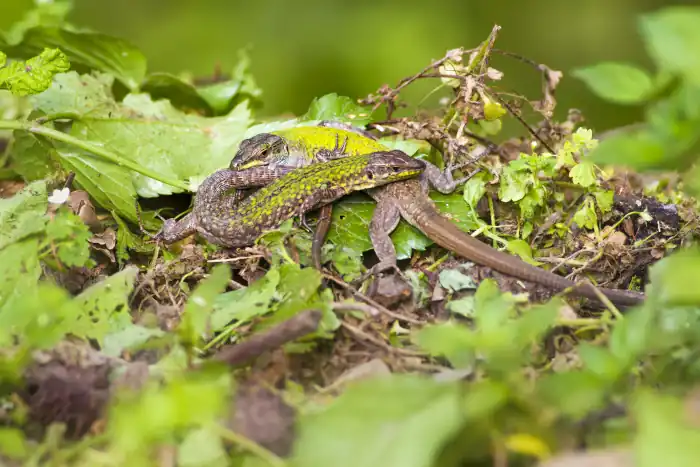
In the wild, Reptile Spring Awakening begins as temperatures rise and sunlight increases during early spring. Many reptiles spend winter in a dormant state called brumation, a period of reduced activity that helps them conserve energy when food is scarce. As soon as warmer days arrive, their bodies respond to environmental signals like longer photoperiods and higher temperatures.
During Reptile Spring Awakening, reptiles emerge from underground burrows or sheltered areas with a surge of energy. Their first instinct is usually to seek food, as weeks or months of inactivity leave them depleted. Shortly afterward, mating instincts take over. This period is marked by intense courtship displays, territorial behavior, and increased movement.
Male reptiles often become more active and competitive, following pheromone trails left by females. In some snake species, this results in dramatic “mating balls,” where several males compete for one female. Lizards may display bold territorial signals such as head bobbing, push-ups, or bright color changes. For many reptiles, Reptile Spring Awakening is not just a biological shift — it’s a race against time to reproduce and pass on their genes.
Reptile Spring Awakening in Captivity: A Controlled Seasonal Cycle
Although pet reptiles live in controlled environments, Reptile Spring Awakening still occurs because owners adjust temperature and lighting to mimic seasonal changes. Even reptiles kept indoors respond strongly to artificial photoperiods. When spring arrives and lights are increased or basking temperatures rise, reptiles often enter a more energetic phase.
Pet reptiles may display behaviors similar to their wild counterparts. Bearded dragons can show head bobbing, frantic movement, or darker beards during Reptile Spring Awakening. Snakes might become restless and cruise their enclosures more frequently. Female reptiles may begin digging or searching for nesting areas, even without a male present.
For many U.S. reptile owners, these changes can feel surprising at first. A normally calm gecko or snake may suddenly become more active or eat more than usual. Understanding that these behaviors are a natural part of Reptile Spring Awakening helps owners avoid unnecessary worry while ensuring proper care adjustments.
Captivity vs. The Wild: Setup Adjustments During Reptile Spring Awakening
The biggest difference between wild reptiles and pets experiencing Reptile Spring Awakening is environmental control. Wild reptiles rely on natural weather cycles, while captive reptiles depend entirely on their owners to create safe seasonal conditions.
In the wild, reptiles regulate their body temperature by moving between sun and shade. In captivity, basking spots and thermostats must be carefully managed to mimic natural warmth without overheating. During Reptile Spring Awakening, gradually increasing light exposure helps simulate longer spring days. Sudden changes can cause stress or health problems, so transitions should happen slowly over one to two weeks.
Social structure is another major difference. Wild reptiles search for mates during Reptile Spring Awakening, but most pet reptiles should remain solitary. Housing reptiles together during this hormonal period often leads to stress or injury. Understanding these distinctions ensures a healthier and safer transition into the active season.
- 1-48 of over 5,000 results for "reptile enclosure"
- 1-48 of 305 results for "uvb light with timer"
- MRREPTILE Reptile Fogger Humidifiers Mister, Misting System for Reptiles,…
- 1-48 of over 1,000 results for "leopard gecko tank accessories"
- 1-48 of over 5,000 results for "live moss"
- 1-48 of over 3,000 results for "bearded dragon tank accessories"
- 1-48 of over 1,000 results for "crested gecko tank accessories"
- 1-48 of over 1,000 results for "leopard gecko tank accessories"
Understanding Behavior Changes During Reptile Spring Awakening
Behavioral shifts are among the most noticeable signs of Reptile Spring Awakening. Reptiles that seemed quiet during winter may suddenly become energetic and curious. Appetite often increases as metabolism speeds up. Some reptiles may pace, climb enclosure walls, or display unusual vocalizations.
Males may become territorial or display courtship behaviors even when no potential mate is present. Females may begin digging in substrate or seeking hidden spaces to prepare for egg laying. These behaviors are instinctive responses tied to hormonal changes triggered by Reptile Spring Awakening.
Owners should monitor their reptiles closely during this period. Increased activity is usually normal, but extreme lethargy, refusal to eat for extended periods, or signs of distress may require veterinary attention. Being attentive during Reptile Spring Awakening allows owners to respond quickly to both normal and abnormal behaviors.
Creating the Ideal Environment During Reptile Spring Awakening
Environmental management plays a major role in supporting reptiles during seasonal transitions. Adjusting lighting schedules to reflect longer daylight hours is one of the simplest ways to encourage a natural rhythm. Increasing feeding frequency gradually ensures reptiles have enough energy to support increased activity levels.
Hydration is also essential during Reptile Spring Awakening, especially for species that become more active or prepare for breeding. Providing fresh water and maintaining proper humidity levels helps prevent dehydration and shedding problems. For females, access to safe digging areas or lay boxes can reduce stress and prevent complications like egg-binding.
Owners should remember that Reptile Spring Awakening is not a sudden switch but a gradual process. Slow adjustments to environmental factors help reptiles transition comfortably from their quieter winter state to the energetic spring season.
Gecko Tank Setup Guide to Build the Perfect Home
Easy Gecko Tank Setup for First-Time Owners
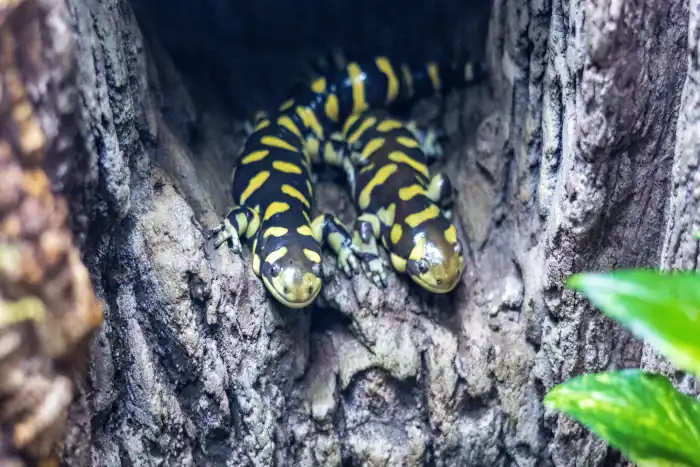
Gecko owners often notice Reptile Spring Awakening through increased movement and appetite. Creating the right environment helps manage these seasonal changes effectively. A gecko tank setup guide to build the perfect home starts with choosing the correct enclosure size and shape for the species.
A leopard gecko typically thrives in a longer enclosure that allows ground exploration, while a crested gecko benefits from a taller habitat with climbing space. During Reptile Spring Awakening, geckos become more active, so providing enrichment such as branches, hides, and textured surfaces encourages natural behavior.
Your Gecko’s Perfect Pad
Make Your Gecko Feel Safe and Comfy With a Tank That’s Just Right
A well-designed enclosure supports both physical health and emotional security during Reptile Spring Awakening. Geckos require a warm hide for digestion, a cool hide for temperature regulation, and a humid hide to aid shedding. Female geckos may need a moist lay box during spring to prepare for egg laying, even without breeding.
When owners create “Your Gecko’s Perfect Pad,” they help reduce stress and prevent behavioral problems associated with hormonal surges. During Reptile Spring Awakening, geckos may display glass surfing or pacing behaviors, which often improve when the enclosure meets their natural instincts.
Maintaining a balanced temperature gradient and consistent lighting schedule ensures that geckos can regulate their body temperature naturally. This thoughtful setup not only supports seasonal changes but also strengthens the bond between owner and pet.
Post-Brumation Care and Nutrition During Reptile Spring Awakening
After emerging from dormancy, reptiles require proper nutrition to rebuild strength. High-protein diets help support increased activity and reproductive preparation during Reptile Spring Awakening. Feeding schedules may need to be adjusted as reptiles regain appetite.
Calcium and vitamin supplementation are particularly important for egg-laying females. Nutritional deficiencies during Reptile Spring Awakening can lead to serious health issues, including weak bones or egg-binding. Providing gut-loaded insects or balanced prey items ensures reptiles receive the nutrients they need.
Hydration and proper basking temperatures aid digestion, allowing reptiles to process food efficiently after months of reduced feeding. Observing your reptile’s weight and behavior during Reptile Spring Awakening helps ensure that nutritional changes support their health rather than overwhelm their system.
A Global Perspective: Reptile Spring Awakening in the U.S. vs. the Rest of the World
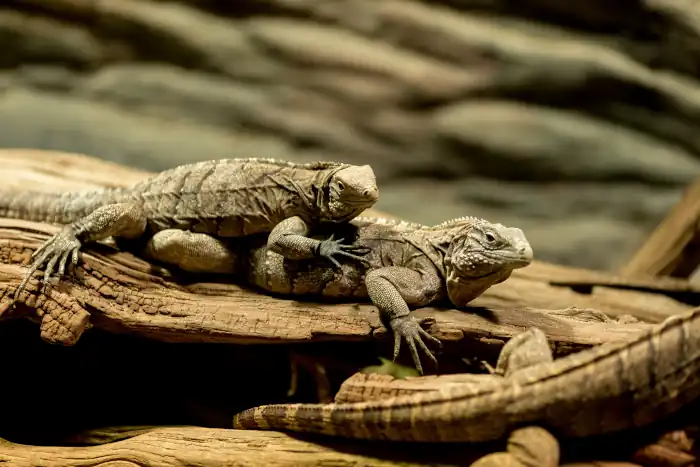
In the United States, seasonal changes are often dramatic, especially in northern regions where winter temperatures drop significantly. As a result, Reptile Spring Awakening is strongly linked to seasonal lighting adjustments and indoor heating systems. Many U.S. reptile owners simulate spring by increasing light exposure and basking temperatures gradually.
In contrast, reptile owners in tropical regions may experience less dramatic seasonal shifts. In some parts of the world, reptiles remain active year-round, and Reptile Spring Awakening may be less pronounced. However, even in warmer climates, subtle changes in humidity or rainfall patterns can influence breeding behavior.
Globally, cultural approaches to reptile keeping also differ. U.S. owners often rely on advanced technology like programmable timers and thermostats, while keepers in other regions may depend more on natural sunlight and ambient temperatures. Despite these differences, the biological rhythms behind Reptile Spring Awakening remain consistent worldwide, reflecting the shared evolutionary history of reptiles.
Conclusion: Embracing the Beauty of Reptile Spring Awakening
Understanding Reptile Spring Awakening allows reptile owners to connect more deeply with the natural cycles that shape their pets’ lives. Whether your reptile lives in a desert enclosure or a lush gecko habitat, spring is a time of energy, growth, and instinctive change.
By recognizing behavioral cues, adjusting environmental conditions gradually, and creating thoughtful setups like a well-designed gecko tank, owners can transform seasonal transitions into positive experiences. Supporting reptiles during Reptile Spring Awakening not only promotes health but also strengthens the trust and connection between humans and these fascinating creatures.
Considerations
Take a moment to observe your reptile this spring and notice the subtle changes that signal Reptile Spring Awakening. Adjust their habitat with care, watch their behaviors with curiosity, and use this seasonal transition as an opportunity to deepen your understanding and compassion as a reptile owner.
Product Tips



Disclosure: This site participates in various affiliate programs, including Amazon Services LLC Associates, eBay Partner Network, AliExpress Affiliate Program, and others. This means we may earn a commission on qualifying purchases made through links on this site, at no additional cost to you.
New Posts
- The Fascinating World of Exotic Pets You Can Legally Own

- Pet Environment Safety: A Happier, Greener Life for Animals and People

- The Exciting World of Reptile Spring Awakening
- The Joyful Return of Wings: Understanding Butterfly Spring Reproduction

Categories
Tags
animal conservation animal protection animal welfare cat grooming tips cat mental health Cats Health cat training dog behavior dog grooming Dog travel tips farm animal care farm animals farmyard animals Rabbit Care Tips working animals

Share: