

Birds Health: When Birds Hide It: The Critical Signs Your Feathered Friend Needs Help Right Now
Birds Health Depends on Your Eyes, Not Their Silence
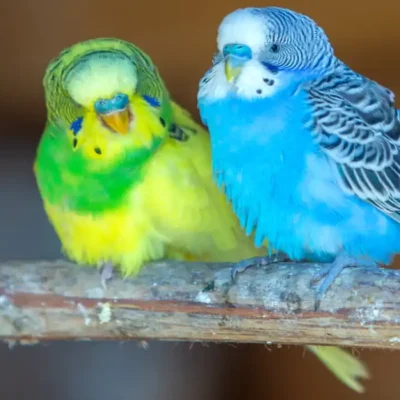
If you’ve ever shared your home with a bird, you already know how full of life, color, and personality these feathered companions can be. Yet when it comes to birds’ health, one of the most alarming truths is this: birds hide their illnesses. It’s not stubbornness or secrecy it’s survival instinct.
Because in the wild, a sick bird quickly becomes an easy target for predators. This ancient instinct to appear strong still lives in every pet parrot, parakeet, canary, cockatiel, or finch sitting safely in a modern U.S. home. But it makes spotting bird illness early a real challenge for owners. By the time you can clearly tell something’s wrong, it may already be an emergency.
That’s why understanding the subtle warning signs the quiet red flags your bird might be sending can save your pet’s life.
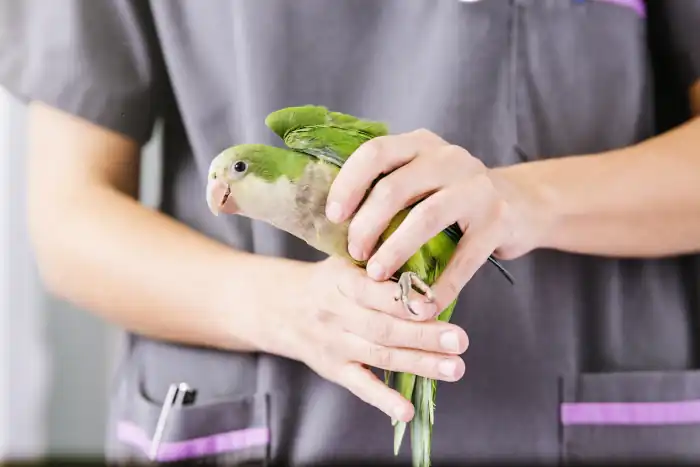
The Hiding Instinct: Why Birds Conceal Illness
Every bird owner needs to remember one rule of birds’ health: your bird will pretend to be fine, even when it isn’t.
In nature, weakness equals danger. A wild parakeet, for instance, can’t afford to show fatigue or clumsiness; predators quickly notice. Pet birds carry this same instinct. They hide discomfort, suppress symptoms, and act normal until their body can’t keep up anymore.
That’s why, for owners, vigilance is everything. A bird that looks “a little off” today might need urgent medical care tomorrow. Recognizing that fine line between subtle change and critical warning is what separates routine care from lifesaving action.
Subtle Behavioral Changes: The Early Clues You Can’t Ignore
When we think of sickness, we imagine obvious symptoms: coughing, limping, refusing food. But with birds, the first signals are often tiny shifts in behavior or posture that whisper, not shout.
A healthy bird is lively, curious, social, and alert. If your feathered friend starts sleeping more, becomes unusually quiet, or loses interest in favorite toys or food, that’s not just a “mood.” It could be the start of something serious.
Watch for these early clues:
Sitting fluffed up most of the day (not just while resting)
Spending more time at the bottom of the cage
Less preening or messy, unkempt feathers
Eyes half-closed or dull in color
Change in voice or sudden silence
Irritability or unusual calmness
Eating less or picking through food without swallowing
These subtle behaviors are often the first hints of declining birds’ health. They’re easy to overlook, but they often appear days or even weeks before a bird becomes visibly ill.
The Never-Ignored Red Flags: When Subtle Turns Serious
Once symptoms become obvious, your bird’s body is already under stress. These are sick bird signs you should never ignore every hour can make a difference:
Sitting still on the cage floor or perched low for long periods
Tail bobbing noticeably with every breath
Breathing through an open beak or clicking sounds when inhaling
Refusing to eat or drink entirely
Discharge from the eyes or nostrils
Blood in droppings or signs of dehydration
Sudden weight loss or prominent keel bone (breastbone)
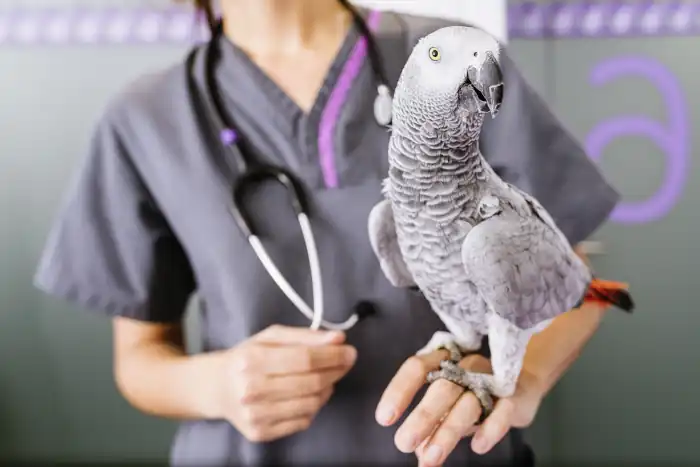
If your bird shows any of these, don’t wait. Early action saves lives. Birds can deteriorate rapidly once symptoms are visible. Contact an avian veterinarian immediately — even if it’s after hours.
- HealthyGut™ Avian Probiotics Dietary Supplement for Parrots, All-Natural…
- UnRuffledRx FeatherUp! Bird Vitamins with Biotin for Beautiful Plumage -…
- UnRuffledRx™ Calming Formula for Parrots – Helps Birds Stay Chill During…
- Vet Rx – Bird – 2 oz
- OASIS #80070 Alive and Well, Stress Preventative & Pro-Biotic Tablets for…
What the Droppings Tell You: The Window Into Birds’ Health
One of the most valuable and overlooked clues about your bird’s health is found in the bottom of the cage. Checking droppings daily may not be glamorous, but it’s one of the best ways to detect illness early.
Normal droppings have three parts:
The dark solid portion (feces)
The white part (urates)
The clear liquid (urine)
Changes in color, texture, volume, or frequency can all signal potential problems.
Watery droppings may indicate stress, infection, or diarrhea.
Green or yellow urates can point to liver or kidney disease.
Absence of urates or bloody droppings require urgent care.
Undigested seeds may indicate a digestive issue or infection.
In other words, your bird’s droppings act as a daily health report. A quick glance can alert you to internal issues before your pet starts acting sick.
The Quick At-Home Health Check: What to Watch Each Day
Keeping a close eye on birds’ health doesn’t mean being paranoid it means being observant. You’re your bird’s first line of defense. A simple daily routine can make all the difference.
Each morning and evening, take a few seconds to check:
Is your bird alert, vocal, and responsive?
Are feathers smooth and glossy, not puffed or dull?
Is your bird maintaining weight and balance while perching?
Are eyes, beak, and feet clean and free of discharge or swelling?
Do the droppings look normal compared to usual patterns?
These small checks build a pattern of awareness. The goal isn’t perfection — it’s noticing when something changes. Birds are creatures of habit. Any sudden difference in behavior, appetite, or posture is often the first warning sign.
Feathered Emergency: When Every Minute Counts
Sometimes, despite your best care, a bird suddenly looks unwell.
If your bird is on the cage floor, breathing heavily, weak, cold to the touch, or unresponsive, treat it as an emergency.
Move it to a warm, quiet space, limit stress, and call an avian vet immediately. Birds can crash quickly once they reach visible distress.
Having an avian emergency plan knowing where your nearest bird vet is and how to reach them after hours can be life-saving. Just like you’d prepare for a child’s sudden illness, plan ahead for your bird.
Early Action Saves Lives: Becoming Your Bird’s First Line of Defense
It’s easy to assume that birds are low maintenance pets, but their delicate biology means small problems escalate fast. Acting early, even if you’re unsure, is always better than waiting.
Regular vet checkups, balanced diets, clean cages, and consistent routines form the foundation of good birds’ health. But your daily observation your awareness of how your bird looks, sounds, and behaves is what keeps that foundation solid.
Because you live with your bird every day, you’ll notice things no vet ever could. A small change in voice. A skipped meal. A longer nap. When you catch those signs early, you don’t just prevent illness you protect a life.

A Short Reflection: U.S. Bird Owners vs. The Rest of the World
In the U.S., avian medicine is advanced and accessible with certified bird vets, specialized labs, and emergency clinics in most cities. But in many parts of the world, bird owners must rely on observation, local advice, or general vets without avian training.
That difference makes education the global equalizer. Whether in America or abroad, one truth remains the same: birds hide illness, and attentive owners save lives. Knowing your bird its habits, moods, and tiny quirks is the single most powerful health tool you’ll ever have.
Consideration: Protect Their Silence Before It Speaks Too Late
Your bird can’t tell you when it hurts but it shows you, quietly, in ways only you can see.
Start today: observe, listen, and note the small details. Those little signs could be the difference between recovery and heartbreak.
Give your bird the gift of what they need most: your awareness. Because when it comes to birds’ health, your attention is their best medicine.
Product Tips
-
Dog Cat Pet Food Storage Pail Plastic Tank + Measuring Cup
Original price was: $7.80.$5.46Current price is: $5.46. -
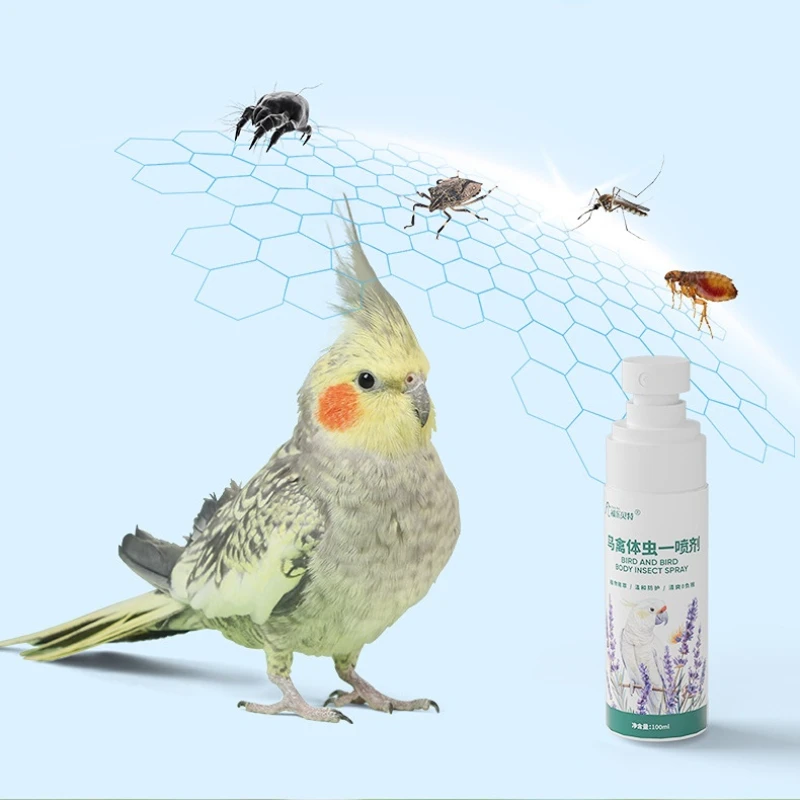
Bird insect repellent feather lice mites 100ml parrot supply
Original price was: $19.54.$6.65Current price is: $6.65.


Disclosure: This site participates in various affiliate programs, including Amazon Services LLC Associates, eBay Partner Network, AliExpress Affiliate Program, and others. This means we may earn a commission on qualifying purchases made through links on this site, at no additional cost to you.
New Posts
- Hope Beyond Roadkill: Protecting Wildlife on Modern Roads
- Sacred Bonds of Love; Blessing of the Animals
- Wildlife Hopeful Paths for Nature’s Future
- Marine life parks: Living Wonders of the Sea

Categories
Tags
animal conservation animal protection animal welfare cat grooming tips cat mental health Cats Health cat training dog behavior dog grooming Dog travel tips farm animal care farm animals farmyard animals Rabbit Care Tips working animals
Share: