

Happy Cat, Clean Home: Cat Litter Box Made Simple
Stress-Free Success with Your Cat Litter Box
If you’ve just brought home a furry feline or you’re finally ready to solve your cat’s bathroom mysteries, you’re in the right place. Let’s talk about the cat litter box — the quiet hero of a clean, happy home. Whether you’re raising a new kitten or helping an older rescue settle in, learning the basics of litter box training for cats can make a huge difference.
The good news? With a bit of patience, the right setup, and some simple litter box tips, you can create a stress-free, clean routine your cat will actually enjoy. Yes, really!
Here’s how to make the cat litter box experience easier for you and your pet, while turning “uh-oh” moments into “ah-ha!” ones.

Why Cats and Clean Spaces Go Hand in Paw
Cats are super clean animals by nature, but that doesn’t mean they automatically know where to go potty — especially in a new environment. A good cat litter box setup gives your cat privacy, security, and cleanliness.
Just like you wouldn’t love a messy or smelly bathroom, your cat won’t either; that’s why it’s so important to create a spot that feels right to them. This is especially true for indoor cats, who rely totally on us to set the tone for their toilet time.
A fresh, welcoming litter box = a happy, stress-free cat.
Litter Box Tips for Easy, Clean Habits
The first key to success? Location, location, location. If you’ve ever tried using a public bathroom next to a loud crowd, you know how awkward it can be; cats feel the same way.
Choose a quiet corner where they won’t be startled by noise. Make sure it’s not close to where they eat or drink — cats hate mixing food and “business.” And if you have more than one cat, consider more than one cat litter box.
Another big win? Clumping litter. Most cats prefer unscented, soft-textured litter that feels like sand. That’s because it mimics what they’d naturally use outdoors. Once you find one your cat likes, stick to it. Changing it too often can throw them off.
The Easy Steps for a Clean Routine
When starting out, especially with a kitten, gently place them in the litter box after naps or meals, let them sniff, scratch, or even hop out. That’s okay — they’re learning.
Be positive. When your cat gets it right, reward them! Praise, pets, or a little treat can reinforce good habits. It’s about showing them that the litter box is the right place to go.
If they have an accident outside the box, don’t punish them. Just clean up and keep things consistent; cats don’t respond well to scolding — it makes them stressed and could cause more accidents.
Keeping the box clean also helps a ton. Scoop daily and wash the entire box once a month. A tidy litter box says, “You’re safe here.” And your cat will pick up on that message.
Make the Litter Box Experience Stress-Free
Sometimes accidents happen. Maybe it’s a new home, a new pet, or even just a noisy washing machine nearby. If your cat starts avoiding the box, pause and ask: What changed?
It could be a simple fix like moving the box to a quieter spot. Or maybe your cat needs more options — one litter box might not be enough, especially in multi-cat homes.
Stress can also be a trigger. Try calming sprays or diffusers made just for cats. And if things still don’t improve, check in with your vet. Medical issues like UTIs or arthritis can make litter box trips tough. It’s always better to rule those out early.

- COMFORT ZONE 6 Pack MultiCat Diffuser Refills; Cat Calming Pheromones Help…
- VICSOM Cat Deterrent Spray, Natural Cat Repellent Spray, Cat Scratch…
- Cat Litter Mat – 23.2'' x 14.6'' Small Litter Trapping Mat, Easy to Clean…
- GORILLA GRIP Cat Litter Box Mat, Water Resistant, US Designed Kitty Litter…
- Enormous 37"x 54" Dog Training Potty Pads, Thicken Super Absorbent &…
Cat Training Isn’t Just About Tricks — It’s About Trust
Training your cat to use a litter box isn’t like training a dog to sit or stay. It’s more about building trust, comfort, and a consistent routine.
Your cat needs to feel that their litter box is a safe zone — not a punishment, not a chore, but just part of daily life.
The more relaxed they are, the better they’ll respond. That’s why the best litter box tips are all about making things easy, calm, and predictable.
Keep your cool, stay patient, and know that even if it takes a little time, your cat wants to get it right, too.
Personal Thoughts: It’s Not Just a Box — It’s Your Cat’s Safe Spot
When I brought my first rescue cat home, I had no clue how important the litter box setup really was. I figured, “Just plop it in the bathroom, right?” Nope!
She hid under the bed for two days, and when she finally came out… she used the laundry basket.
Lesson learned. I moved the box to a quieter room, used softer clumping litter, and made sure to give her space and gentle encouragement.
The next day? Success. And honestly, it felt like a mini miracle. That moment really showed me how much little changes can matter to our pets.
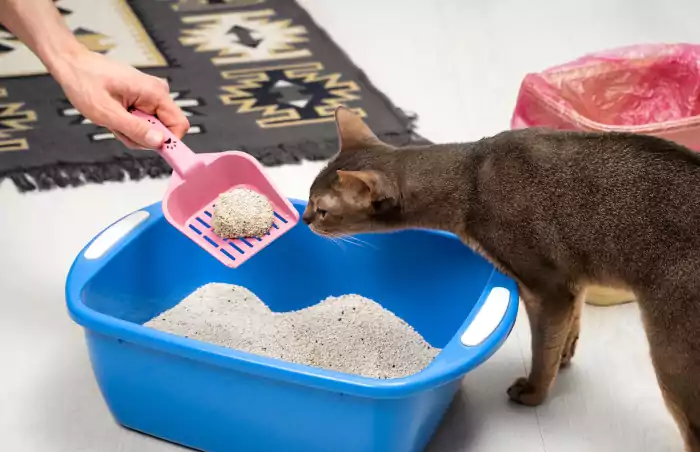
A Global View: Cat Litter Box Routines Around the World
In the U.S., most households with cats rely on store-bought litter boxes with clumping litter — often upgraded with hoods or self-cleaning options. Litter is easy to find, and so are solutions for odor control and convenience.
But around the world, it’s not always that simple. In many countries, cat owners use sand, soil, or even shredded paper instead of store-bought litter. And litter boxes may be handmade or improvised with what’s available.
Also, attitudes toward indoor cats and their needs vary. In some places, outdoor access is the norm, which means fewer homes need litter boxes at all.
Still, the goal is always the same — a clean, safe place where a cat can feel comfortable and healthy. That’s something all cat parents, no matter where they are, truly care about.
Your Turn — Ready to Make Litter Time Easier?
Whether you’re just starting with a new kitten or you’ve got a senior cat who needs a change, cat litter box training doesn’t have to be hard. Take a moment today to check your setup. Maybe it’s time to upgrade your litter or move the box to a calmer spot.
Your cat will thank you — with fewer messes, a happier mood, and maybe even a little purr of approval.
Considerations.
Cat litter box habits are all about location, routine, and cleanliness. Place the box in a quiet, private space, use clumping, unscented litter, and scoop daily. Introduce the box with calm encouragement, reward good use, and keep the experience stress-free. If problems pop up, check the setup and your cat’s health to ensure success.
Disclosure: This site participates in various affiliate programs, including Amazon Services LLC Associates, eBay Partner Network, AliExpress Affiliate Program, and others. This means we may earn a commission on qualifying purchases made through links on this site, at no additional cost to you.
New Posts
- Hope Beyond Roadkill: Protecting Wildlife on Modern Roads

- Sacred Bonds of Love; Blessing of the Animals

- Wildlife Hopeful Paths for Nature’s Future

- Marine life parks: Living Wonders of the Sea

Categories
Tags
animal conservation animal protection animal welfare cat grooming tips cat mental health Cats Health cat training dog behavior dog grooming Dog travel tips farm animal care farm animals farmyard animals Rabbit Care Tips working animals
Product Tips
-
Dog Feeders Round Water Food Bowl Stainless Steel Pet Supply
Original price was: $21.64.$10.39Current price is: $10.39. -
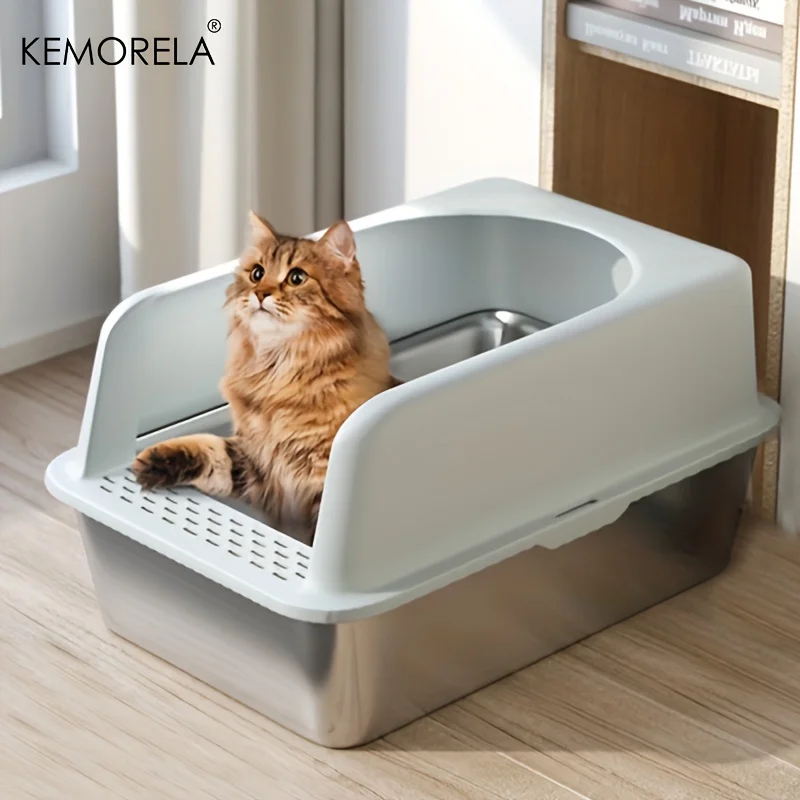
XL 60/50CM Stainless Steel cat Litter Box with Lid High Side
Original price was: $152.81.$50.41Current price is: $50.41.




Share: