

Cat Vaccinations, Keeps Your Cat Happy and Healthy
Why Cat Vaccinations Are the Key to Lifelong Health
If you’ve got a cat, you already know they’re more than just a pet—they’re family, and just like with any loved one, keeping them safe and healthy is a top priority. That’s where cat vaccinations come in.
Cat vaccinations are special shots that protect your kitty from dangerous diseases—some of which can be life-threatening or spread to other animals. You might’ve heard names like rabies, panleukopenia, or feline leukemia, but don’t worry—we’re going to break it all down in a way that makes total sense.
Vaccines can sound a bit intimidating, especially when you’re bombarded with medical terms, but at their core, they’re just a way to help your cat’s immune system recognize and fight off viruses before they become a serious problem. Pretty awesome, right?
Whether you’re raising a new kitten or caring for an older rescue, understanding what vaccines your cat really needs—and when—is super important. And we’ll help you figure it out without the science overload.
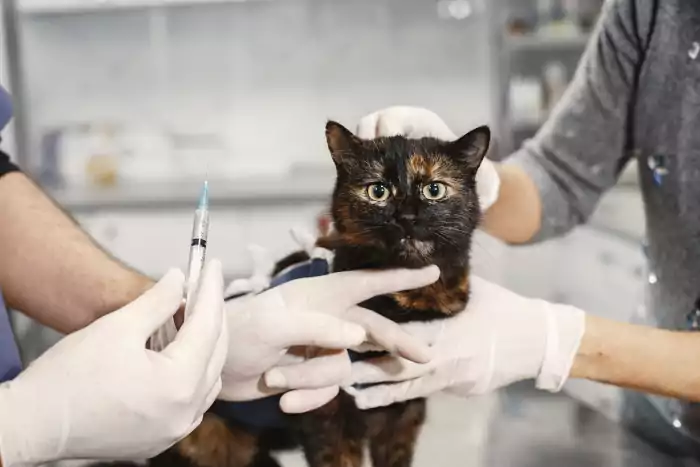
Essential Vaccines Your Cat Needs for a Healthy Life
Let’s start with the basics. There are core vaccines, which are recommended for every cat, and non-core vaccines, which depend on your cat’s lifestyle and risk level.
Core Vaccines: The Non-Negotiables
These are the must-haves. Think of them like the ABCs of cat health.
One of the big ones is a combination vaccine that fights three nasty diseases:
- Feline Viral Rhinotracheitis (FVR): This causes severe upper respiratory infections—think sneezing, eye gunk, and breathing problems. No one wants that.
- Calicivirus (FCV): Also causes respiratory issues and mouth sores.
- Panleukopenia (FPV): A super contagious and often deadly disease. It’s sometimes called feline distemper.
These three are usually bundled into a single shot called the FVRCP vaccine, which helps keep your kitty strong and protected.
And then there’s rabies. It’s a viral disease that can be passed to humans and other animals. It’s also legally required in most U.S. states. No skipping this one.
FeLV: The Must-Have for Kittens
The Feline Leukemia Virus (FeLV) vaccine is recommended for all kittens under 1 year old, this virus spreads through saliva and close contact, and it can lead to cancer or a weakened immune system. It’s pretty serious, which is why kittens are always given this extra protection.
Understanding Non-Core Vaccines
Not every cat needs these, but they can be important based on your cat’s lifestyle. If your cat goes outside, stays in a kennel sometimes, or interacts with other animals, your vet might suggest them.
Chlamydophila felis
This bacteria can cause red, swollen eyes and respiratory issues. It spreads easily in multi-cat households or shelters.
Bordetella bronchiseptica
Kind of like kennel cough for cats. It spreads through sneezes and coughs, if your cat boards often or visits groomers or shelters, this one’s worth asking your vet about.
The Right Cat Vaccination Schedule (Without the Headache)
Okay, here’s where it gets real. The cat vaccinations schedule might seem a little overwhelming at first, but it’s pretty straightforward once you break it down by age.
Kittens First
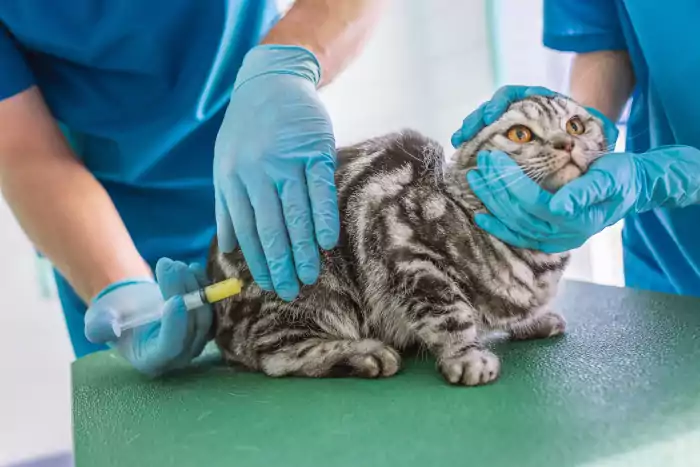
Vaccines usually start around 6 to 8 weeks old. From there, kittens get booster shots every few weeks until they’re about 4 months old. It’s like building their immune system step by step.
If your kitten is getting the FeLV vaccine, it’s smart to do a FeLV test first to make sure they’re not already carrying the virus.
- Antibiotics for Cats, Natural Antibiotic Pet Supplements Supports Immune &…
- L-Lysine Gel for Cats (5oz) – Supports Immune, Respiratory, and Eye Health….
- Natural Antibiotics for Cats – Cat Antibiotics for Allergy Relief, Urinary…
- T-Relief Pet Pain Relief Drops Arnica +12 Powerful Natural Medicines Help…
- HomeoPet Feline UTI Plus, Safe and Natural Urinary Tract Supplement for Cats,…
Adult Cats
Once your cat has finished their kitten vaccines, they’ll need booster shots to keep their protection up. Some vaccines are given every year, while others (like rabies) might be needed only every three years, depending on the type your vet uses.
And of course, your vet might adjust things based on how your cat lives—whether they’re strictly indoor or love to roam outdoors.
What Really Affects Your Cat’s Vaccination Needs?
Let’s talk about why one cat might need different shots than another. There’s no one-size-fits-all when it comes to cat health. Several things can change your cat’s vaccination plan:
Outdoor Life: Cats who spend time outside or live with other animals face more exposure to viruses and might need more protection.
Where You Live: Some diseases are more common in certain parts of the U.S., so your vet might recommend specific vaccines based on your location.
Your Cat’s Personality: Is your cat a solo homebody or a social butterfly at the cat boarding facility? More interaction often means more risk.
Your Vet’s Advice: At the end of the day, your vet knows your cat’s medical history and lifestyle best. Always check in with them for personalized recommendations.
This is also where you can check out products recommended by vets that support your cat’s immune health in between vet visits.
Keeping Your Cat Healthy With Vaccines
Taking care of your cat doesn’t stop after kittenhood, vaccines help build strong immunity, but your cat’s environment, stress levels, and diet also play a huge role.
Vaccines aren’t just a one-time thing, they’re part of a bigger picture—a life of health, safety, and cuddles. That means regular check-ups, watching for symptoms, and giving them the love (and protection) they deserve.
It’s easy to think, “My cat never goes outside, so they’re fine,” but even indoor cats can catch illnesses from things you bring in on your shoes or from other pets. Vaccines help put up that invisible shield of defense that keeps your furball safe.
You can even pair your vaccination appointment with regular flea treatments or health supplements to cover all the bases.
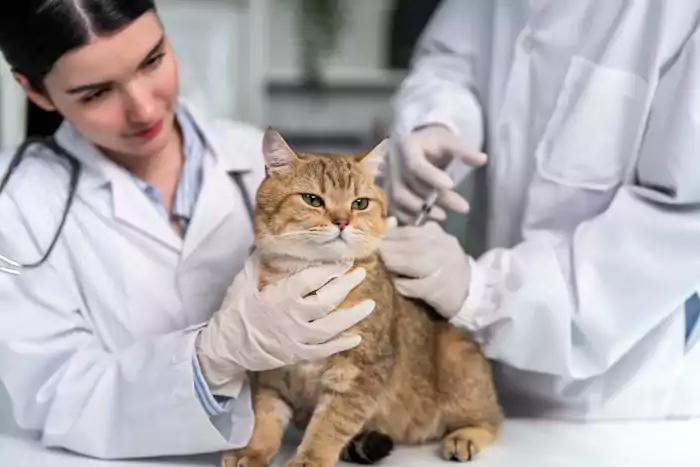
Personal Thoughts on Cat Vaccinations Around the World
Here in the U.S., we have easy access to vaccines, and there’s a growing awareness about how important they are for cat health. Many shelters and rescue organizations won’t even allow adoptions unless vaccinations are up to date.
But globally, it’s a mixed bag.
In some parts of the world, access to basic vet care—including vaccines—is limited. That puts both cats and humans at risk, especially in areas where rabies is still a huge problem.
There are also cultural differences—some people in other countries don’t prioritize pet vaccinations the same way we do in the States. That’s slowly changing with more education, but it’s a reminder of how lucky we are here to keep our pets healthy and protected.
Cat Vaccinations Guide to Protect Health: Final Thoughts
Cat vaccinations are one of the simplest, smartest ways to show your cat love. You don’t need to be a vet to understand what’s needed—you just need to care enough to learn (and you did that today!).
Whether it’s your first kitten or your tenth rescue, knowing what shots they really need and when to get them is a big part of being a responsible cat parent. And don’t stress—your vet will help guide you the rest of the way.
Keep your cat safe, stay consistent with boosters, and don’t forget that a little prevention now saves a lot of stress later.
Curated Suggestions for products and More.
Ready to Protect Your Cat? Talk to your vet today about the right vaccine schedule for your cat. And if you’re looking for trusted immune-boosting products, food, or stress-relief treats between visits, check out our favorites.
Disclosure: This site participates in various affiliate programs, including Amazon Services LLC Associates, eBay Partner Network, AliExpress Affiliate Program, and others. This means we may earn a commission on qualifying purchases made through links on this site, at no additional cost to you.
New Posts
- Hope Beyond Roadkill: Protecting Wildlife on Modern Roads

- Sacred Bonds of Love; Blessing of the Animals

- Wildlife Hopeful Paths for Nature’s Future
- Marine life parks: Living Wonders of the Sea

Categories
Tags
animal conservation animal protection animal welfare cat grooming tips cat mental health Cats Health cat training dog behavior dog grooming Dog travel tips farm animal care farm animals farmyard animals Rabbit Care Tips working animals


Share: