

Hairball-Free & Happy: A Real Talk About Cats’ Hairballs
Let’s Chat About Cats’ Hairballs — What They Are and Why They Happen
If you’ve ever owned a cat, you probably know the not-so-glamorous sound of coughing up hairballs. It’s that all-too-familiar hack-hack-splat that happens when your furry friend’s grooming routine goes a little too far, so what’s up with cats’ hairballs, and how can we help our pets have smoother, happier lives?
Basically, when cats groom themselves, their tongues (which are covered in tiny hook-like structures) trap loose fur. Most of it passes through the digestive system just fine, but sometimes, the hair gets stuck in the stomach. That’s when a hairball (or the fancy term: trichobezoar) forms. Your cat eventually needs to get rid of it—usually by vomiting.
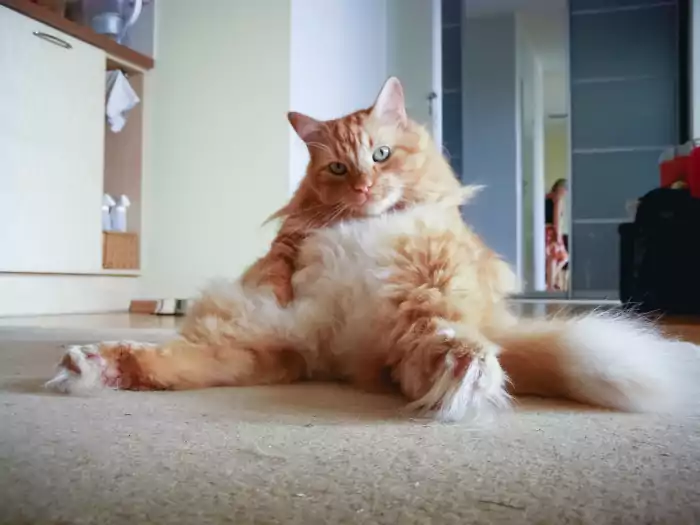
Understanding the Link Between Cats’ Hairballs and Cats’ Health
Cats hairballs aren’t just gross or annoying—they can actually tell us a lot about your cat’s overall health, and occasional hairballs are normal, especially during seasonal shedding, but if your cat seems to be struggling more than usual, like dealing with excessive vomiting, loss of appetite or lethargy, or unproductive retching or gagging, that could be a red flag. It might mean something’s off with their digestion, grooming habits, or even a sign of underlying health issues.
And here’s a tip: Not every gag or cough ends in a hairball. So if you see your cat trying but nothing comes out for a while, it might be time to check in with your vet. Better safe than sorry!
Cat Hairballs Help: Things You Can Actually Do
So let’s break it down — what can we actually do to deal with cats hairballs? Thankfully, there are simple, everyday ways to make life easier for your pet.
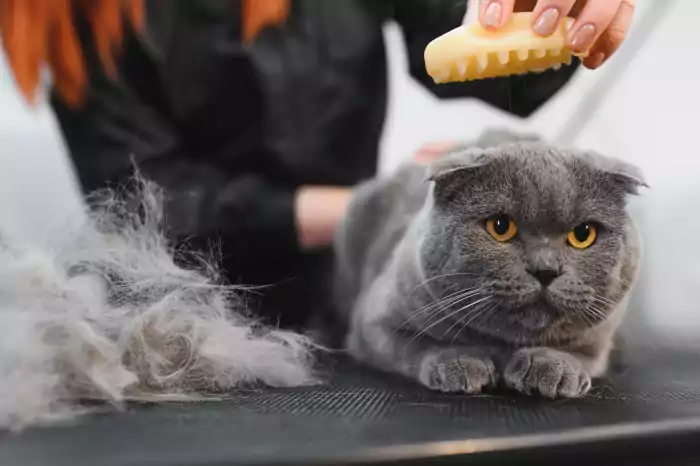
One of the first steps is better grooming. Regular brushing helps remove loose fur before your cat can swallow it. Even short-haired breeds benefit from weekly brushing. During seasonal shedding (spring and fall), increase how often you brush.
Next, let’s talk dietary factors. Some cat foods are specially designed to help reduce hairballs by promoting digestion and reducing shedding from the inside out. Also, these formulas often include more fiber to help hair pass through the digestive system more easily. You can find options with hairball control on pet supply sites (AFFILIATE LINK).
There are also tasty hairball treats and gels that act like a mild laxative or lubricant, helping the fur move along instead of clumping. If you haven’t tried these before, they’re super easy to add to your cat’s daily routine. Just check with your vet to make sure it’s right for your kitty (AFFILIATE LINK).
Hairball Help for Happy Cats: Small Habits That Matter
It’s the little things that can really make a big difference, and creating a smoother cat life doesn’t have to mean a full lifestyle change. Just add a bit more grooming time, tweak your cat’s food, or encourage more water intake. A well-hydrated digestive system works way better!
Also, playtime can help. Keeping your cat active helps digestion, too, which means less fur sitting in the stomach, waiting to become a hairball. Think feather wands, interactive toys, and maybe even a cat tower (AFFILIATE LINK).
If your cat is older or has longer fur, you might need to do a bit more, because senior cats or breeds like Persians and Maine Coons are more prone to hairballs just because of the extra fluff. So extra brushing and dietary attention = extra comfort.
When Hairballs Aren’t Just Hairballs: Watch for the Signs
Now here’s the important part: If your cat starts showing signs like being lethargic, not eating, or vomiting more often, don’t brush it off as just more hairballs, and cats are pros at hiding discomfort, so it’s up to us to catch those signs early. Things like:
- Coughing up hairballs multiple times a week
- Gagging without producing anything
- Diarrhea or constipation
- Weight loss
- A dull, greasy coat
All of these could be signs that something else is going on—like a blockage, an allergy, or a bigger issue with the gut. Always trust your gut and call your vet if your cat’s behavior changes suddenly. Better to check than to wonder.
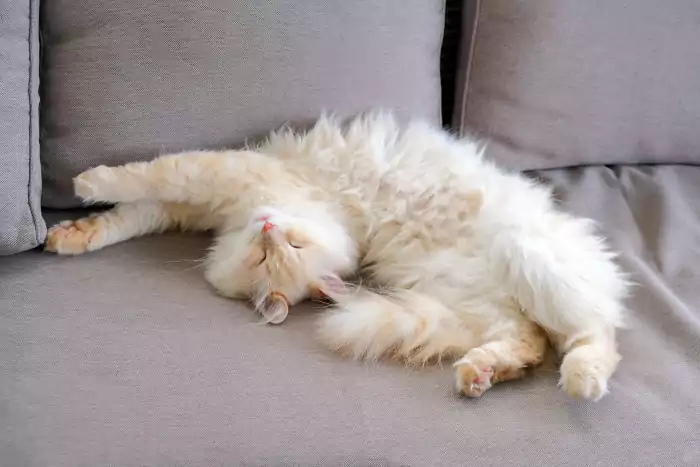
Why Cats’ Hairballs Are Just More Common in the U.S.
Here’s something curious. While cats hairballs are totally a thing worldwide, they tend to be more of a problem in places like the U.S. Why? For starters, American cats often live indoors full-time. This means more grooming (since they don’t get weathered or dirtied outside as much), and less natural shedding with the seasons.
Plus, we just love our fluffy breeds! Long-haired cats are popular here, which means more fur, more brushing, and yes—more hairballs.
In other parts of the world, cats may roam more freely, groom less obsessively, or have more variety in their diet from scavenging. So their systems might handle the fur differently.
In any case, no matter where you live, cat hairballs help you deal with messy fur and keep your furry buddy comfy. Think of it as part of the bonding experience—brushing, checking in, playing together—it’s all part of loving your cat well.
Tips for a Smoother Cat Life
Want the inside scoop on fewer hairballs and a more chill cat life? Keep things low-stress at home. Stress can actually make cats groom more, which means more fur swallowed. Make grooming a cozy moment, not a chase game.
Stick to a routine for food and grooming. Watch for changes in the litter box, mood, or energy levels. And when in doubt—vet it out. They can recommend supplements, high-fiber diets, or check for any underlying health conditions you might not catch at home.
You can also explore fur-reducing tools like de-shedding brushes, grooming gloves, or even cat vacuums (yes, those are real!) to keep hair off your furniture and out of your cat’s belly (AFFILIATE LINK).
Final Thoughts: Hairball Help for Happy Cats Everywhere
Dealing with cats hairballs is just part of the journey of being a cat parent. It’s messy sometimes, sure, but it’s also a way to check in on your pet’s health and comfort. From seasonal shedding to grooming habits, from dietary tweaks to spotting those important red flags—we’ve got lots of tools to help.
And while American cat owners might face more hairball drama due to indoor living and fluffy breeds, the love and care we give make all the difference. Anywhere in the world, cats deserve comfort, fun, and hairball-free bellies. Let’s help make that happen.
Need More Cat Hairball Help?
Check out your favorite pet store or vet-approved sites for hairball control treats, fiber-rich cat foods, and grooming gear (AFFILIATE LINK). Happy cat, happy home!
Clear CTA: Make Life Comfier for Your Cat Today
Tired of cleaning up surprise hairballs? It might be time for a grooming upgrade, a food switch, or some vet-approved hairball helpers. Browse trusted (AFFILIATE LINK) options today and give your cat the comfort they deserve.
Product Tips
-
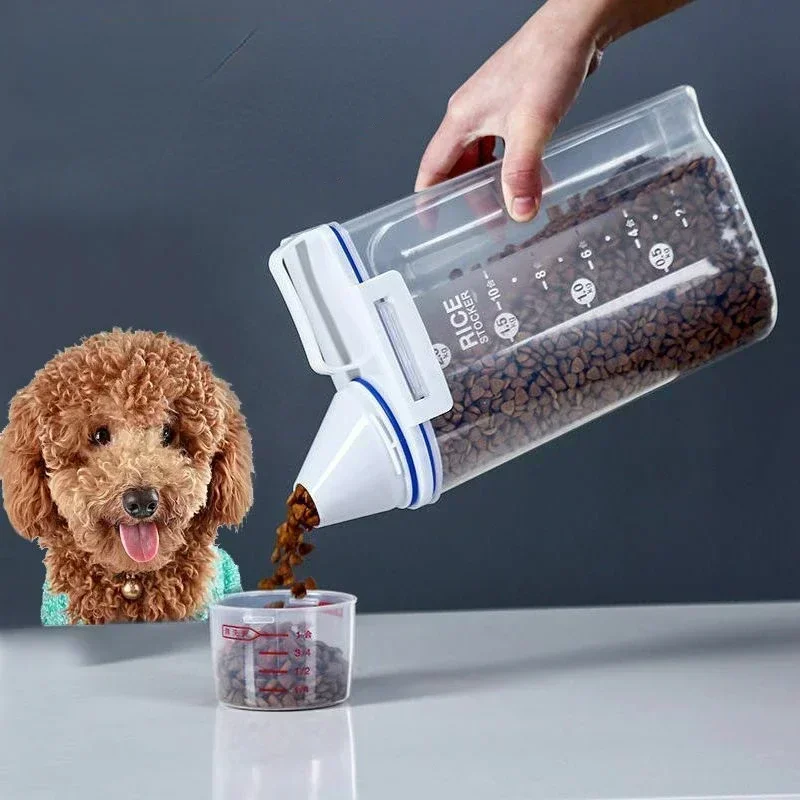
Dog Cat Pet Food Storage Pail Plastic Tank + Measuring Cup
Original price was: $7.80.$5.46Current price is: $5.46. -
Dogs Beds Dog Sofa Warm Pet Winter Mat
Original price was: $47.78.$46.92Current price is: $46.92.


Disclosure: This site participates in various affiliate programs, including Amazon Services LLC Associates, eBay Partner Network, AliExpress Affiliate Program, and others. This means we may earn a commission on qualifying purchases made through links on this site, at no additional cost to you.
New Posts
- Hope Beyond Roadkill: Protecting Wildlife on Modern Roads

- Sacred Bonds of Love; Blessing of the Animals

- Wildlife Hopeful Paths for Nature’s Future

- Marine life parks: Living Wonders of the Sea

Categories
Tags
animal conservation animal protection animal welfare cat grooming tips cat mental health Cats Health cat training dog behavior dog grooming Dog travel tips farm animal care farm animals farmyard animals Rabbit Care Tips working animals


Share: