

Happy Dogs Start Here: Understanding Dog Allergies
What Are Dog Allergies and Why Do They Matter for Your Pup’s Health
Dog allergies are more common than you might think. Just like people, dogs can have allergic reactions to all sorts of things, from pollen in the air to food in their bowl, and the problem is, dogs can’t exactly say, “Hey, my skin’s itchy because of grass.” So it’s up to us as pet parents to notice the signs and help them feel better fast.
Allergies are basically your dog’s immune system overreacting to something harmless; that “something” could be seasonal allergens like dust or pollen, certain types of dog food, or even flea bites. When a dog’s body thinks it’s being attacked, it reacts by triggering symptoms like itching, sneezing, ear infections, or tummy troubles, and if you’re seeing any of these signs in your pup, it could be time to learn how to spot and treat dog allergies the right way.

Spot the Signs Early: How to Recognize Dog Allergies
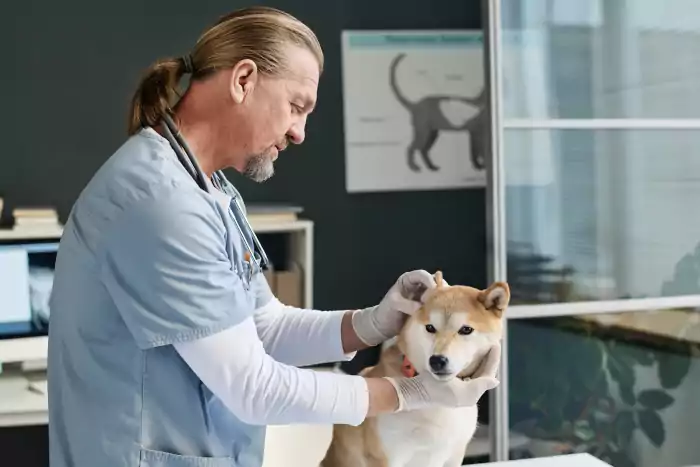
It usually starts with itchy skin. You might notice your dog scratching more than usual, licking their paws constantly, or rubbing their face on the carpet also you might even see red or irritated skin. That’s a big clue something’s up. Some dogs develop runny eyes or a stuffy nose. Others might have chronic ear infections or digestive issues.
Here’s a real-life example: my neighbor’s golden retriever, Max, kept licking his paws raw, and they thought it was a habit until a vet pointed out it was an allergic reaction to grass. With the right treatment, Max was back to zoomies in no time.
Knowing how to recognize and care for your dog’s allergies early can make a huge difference in your dog’s health. The sooner you notice and treat the problem, the quicker your pup can get back to being their happy self.
Where Dog Allergies Come From: Triggers You Should Know
Help for dogs with allergies starts with figuring out what’s causing the reaction. Allergies usually fall into three main categories: environmental, food-related, and flea allergies.
Environmental allergies are super common in the U.S. Things like mold, pollen, and dust mites can trigger flare-ups, and some dogs are sensitive to certain cleaning products, perfumes, or even cigarette smoke. If your dog sneezes after a cleaning session, that might be why.
Food allergies are another big one. Some pups react to ingredients like beef, chicken, dairy, or grains. And sometimes, it’s not the protein but the filler ingredients in processed food. Try switching to a limited-ingredient dog food to see if symptoms improve.
Flea allergies are caused by flea saliva, not just the bites themselves. Even one flea can cause a massive skin reaction. That’s why flea prevention is so important for dogs with sensitive skin.

- 1-48 of over 100,000 results for "dog supplies"
- 1-48 of 297 results for "dog is human multivitamin itch relief"
- Dog Allergy Chews – Dog Allergy and Itching Skin Relief Anti Itch Aller…
- 1-48 of over 3,000 results for "dog allergy chews"
- 1-48 of over 3,000 results for "dog allergy chews"
- Dog Allergy Relief Chews Itching Skin is Human Multivitamin Pet Allergy Anti…
- Dog Allergy Chews 200ct, Dog Allergy and Itching Skin Relief Bites Anti-Itch…
How to Treat Dog Allergies Naturally and Effectively
Treating dog allergies starts with avoiding the trigger when you can. If it’s a food allergy, working with your vet on an elimination diet helps figure out what your dog’s reacting to. Switching to hypoallergenic dog food can bring fast relief.
If it’s environmental, wiping your dog’s paws and fur after walks, using an air purifier, or switching to fragrance-free cleaning products can seriously help. Oatmeal baths and medicated shampoos are also great for calming irritated skin.
For more stubborn symptoms, vets might recommend antihistamines, allergy shots, or prescription medications. Don’t give your pup human allergy meds without checking with your vet first!
And of course, regular vet checkups mean your dog’s allergies are managed before they spiral. Your vet might suggest allergy testing to find the exact culprit, especially for chronic issues.
Dog Allergies Help Your Pup Feel Better Fast
Once you get a plan in place, your dog will be back to tail wags and belly rubs before you know it. Watching your pup suffer with allergies can be heartbreaking, but the good news is there’s help for dogs with allergies at every step, and whether it’s changing their food, giving them meds, or just cleaning their paws more often, every little change makes a big difference.
I remember when my own dog, Luna, was constantly scratching. She even had bald patches! Turns out, she was allergic to chicken. After switching her diet and adding an omega-3 supplement, she’s been so much more comfortable—and so much happier.
You’ll feel better too, knowing you’re doing everything you can to help your dog live their best, itch-free life.
Learn What to Do Now and Make a Big Difference
If your pup’s symptoms seem mild, start by tracking what they eat, where they go, and when symptoms appear. Try swapping out possible allergens and see if anything changes. Keep your vet in the loop—seriously, they’ve seen it all and can offer real guidance.
You don’t need to figure it all out alone. Tons of dog allergy help is out there, from natural remedies to prescription options. Don’t wait for things to get worse—dog allergies help your pup feel better fast if you take the first step today.
And hey, giving your dog a more comfortable life? That’s what being a great pet parent is all about.
Final Thoughts: Dog Allergies in the U.S. and Around the World
Here in the U.S., we’re lucky to have lots of resources for pet health—from vet specialists to allergy-friendly dog food options and grooming products. But dog allergies are a global issue. Around the world, more vets are seeing dogs with allergy symptoms thanks to pollution, processed pet food, and climate change.
In countries where vet access is limited or food options aren’t as specialized, allergy care can be more challenging. That’s why awareness matters. Understanding the signs and being proactive with treatment, no matter where you live, is key.
If you’re in the U.S., you’ve got options—and that’s a powerful thing. Use them! And if you know someone overseas struggling with their dog’s allergies, share what you’ve learned. Knowledge and kindness are universal.
Considerations:
What are dog allergies?
Dog allergies are immune system reactions to substances like pollen, food, or flea bites, causing itching, sneezing, or skin irritation.
How can I tell if my dog has allergies?
Watch for signs like excessive scratching, licking, ear infections, or sneezing. These symptoms often point to common dog allergies.
What’s the best treatment for dog allergies?
Treatment depends on the cause but may include special diets, allergy meds, flea control, or environmental changes.
Can dog allergies be cured?
There’s no cure, but with the right care and prevention, symptoms can be managed effectively.
Curated Product Suggestions and More.
Think your dog might have allergies? Don’t wait—start tracking their symptoms, talk to your vet, and explore safe, vet-approved solutions like hypoallergenic food or soothing shampoos. You’ve got this, and your pup’s comfort is worth every step!
Product Tips
-
Horse Hay Feeding Bag Neck Adjustable Portable Hanging Bag
Original price was: $38.69.$19.34Current price is: $19.34. -
Cat Toys Fish USB Charger Fish Interactive Electric Floppy Fish
Original price was: $15.53.$5.28Current price is: $5.28.



Disclosure: This site participates in various affiliate programs, including Amazon Services LLC Associates, eBay Partner Network, AliExpress Affiliate Program, and others. This means we may earn a commission on qualifying purchases made through links on this site, at no additional cost to you.
New Posts
- Hope Beyond Roadkill: Protecting Wildlife on Modern Roads

- Sacred Bonds of Love; Blessing of the Animals

- Wildlife Hopeful Paths for Nature’s Future

- Marine life parks: Living Wonders of the Sea

Categories
Tags
animal conservation animal protection animal welfare cat grooming tips cat mental health Cats Health cat training dog behavior dog grooming Dog travel tips farm animal care farm animals farmyard animals Rabbit Care Tips working animals



Share: