
Hope Beyond Roadkill: Protecting Wildlife on Modern Roads
Roadkill and the Global Crisis Putting Biodiversity Under Wheels
The word roadkill is so common in everyday language that it barely makes us pause. A deer on the shoulder, a raccoon near a guardrail, an armadillo on a Florida back road—these sights are often dismissed as unfortunate but unavoidable. Yet behind this familiar image lies a massive, often overlooked global crisis. Roadkill is not just about isolated animal deaths; it is a powerful driver of biodiversity loss, habitat fragmentation, and ecosystem decline across the planet.
From rural highways to urban streets, roads cut through forests, wetlands, deserts, and grasslands. Every mile of pavement reshapes the natural world. For wildlife, roads are not neutral infrastructure—they are dangerous barriers that millions of animals attempt to cross every single day. Understanding the scale of the roadkill problem, the species most affected, and the solutions already within reach is essential if we want safer roads for both people and animals.
The Scale of the Problem: When Roads Become Ecological Traps
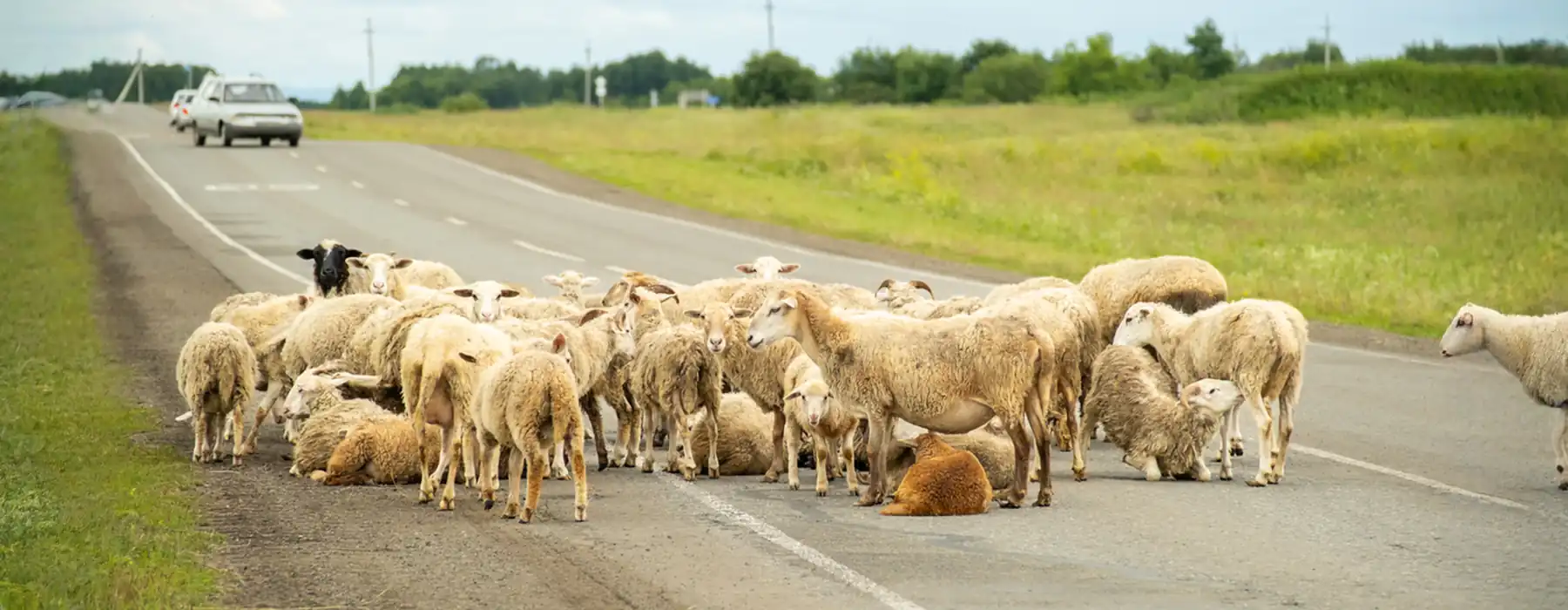
Animal roadkill is a massive, often overlooked crisis, killing millions of animals daily worldwide. In the United States alone, estimates suggest that over one million vertebrate animals die every single day after being struck by vehicles. When smaller creatures like amphibians, reptiles, and birds are included, the true number climbs even higher. On a global scale, roadkill reaches billions of animals every year, making it one of the largest direct human causes of wildlife mortality.
Roads do far more than cause direct collisions. They fragment habitats, dividing once-connected ecosystems into smaller, isolated pieces. Animals that need to roam to find food, mates, or shelter are suddenly blocked by lanes of fast-moving traffic. Over time, these barriers reduce genetic diversity, weaken populations, and increase the risk of local extinction. For many species, a road is not just dangerous—it is an invisible wall.
Beyond direct kills, roads introduce a range of environmental pressures. Tire particles, oil residue, and de-icing salts pollute soil and water. Noise and light pollution disrupt natural behavior, pushing animals away from otherwise suitable habitat. In many cases, roads create what scientists call ecological traps, where animals are drawn to warm pavement, roadside vegetation, or food scraps, only to face deadly consequences.
Endangered Species on the Edge
Road mortality is a leading cause of death for many threatened and endangered species. For animals with already small populations, even a single vehicle collision can have long-term consequences. The Florida panther is one of the most well-known examples in the U.S., where roadkill has historically been a major factor limiting population recovery. Similarly, species like the Canada lynx, desert tortoises, and freshwater turtles face constant risk when roads intersect their habitats.
For these animals, roadkill is not just a statistic. Each death represents lost reproductive potential and reduced resilience against disease, climate change, and habitat loss. In this way, roads quietly push vulnerable species closer to extinction, often without the public ever noticing.
Florida’s Armadillos: A Tragic and Familiar Sight
In Florida, armadillos are among the most common roadkill animals, and their story shows how biology and infrastructure collide. Armadillos have an unusual defensive reflex: when startled, they jump straight up—sometimes three to four feet into the air. This instinct evolved to scare predators, but against cars, it is devastating. Instead of fleeing, armadillos often collide with a vehicle’s undercarriage.
Their nocturnal activity makes matters worse. Armadillos are most active at night, precisely when visibility is low and traffic speeds remain high. Roads also serve as easy travel routes between grasslands and wetlands, and armadillos frequently forage along roadsides for insects. Sometimes, they are even attracted to other roadkill, putting them directly in harm’s way. The result is a sad but common sight on Florida roads, shared with other frequent victims like opossums.
Raccoons and the Risk of the Roadside Buffet
A raccoon killed on the road is another painfully familiar example of roadkill across the U.S. Highly intelligent and adaptable, raccoons quickly learn that roads offer food opportunities. Discarded scraps, fallen crops, and even other roadkill draw them dangerously close to traffic. Their curiosity and scavenging behavior significantly increase their risk of being struck.
In some regions, especially in warmer climates like Florida, raccoons face an additional hazard. Fermented berries, such as fallen palm fruits, can cause temporary disorientation. A raccoon under the influence may wander unpredictably into traffic, making collisions even more likely. Tragically, one dead raccoon can attract others, leading to multiple fatalities along the same stretch of road.
For humans, encountering raccoon roadkill also raises safety concerns. Wild animals can carry diseases such as rabies, and handling a carcass without protection is risky. These incidents remind us that roadkill affects not only wildlife but also public health and road safety.
- 4K Dual Dash Cam Front and Rear – 3 Inch LCD Screen Car Camera with GPS…
- IIWEY N5 4 Channel Dash Cam 360° View, 1080P Front and Rear Inside, Left…
- 2 Pack Rodent Repellent for Car Engines,Three Power Supply Modes Rat…
- 2Pack 2026 Ultrasonic Animal Repellent Outdoor Deer Repellent Devices Solar…
- Smartify Creations New 2025 Solar Deer Repellent Device Outdoor – Solar…
- Termx Ultrasonic Pest Repeller Indoor 4 Modes No Touch Solution Pest…
- Ultrasonic Animal Repellent Outdoor,2026 Cat Repellent Devices Deer Repellent…
- Vsyt Solar Ultrasonic Animal Repellent, Cat Repellent Outdoor, Squirrel…
Deer, Highways, and Human Risk
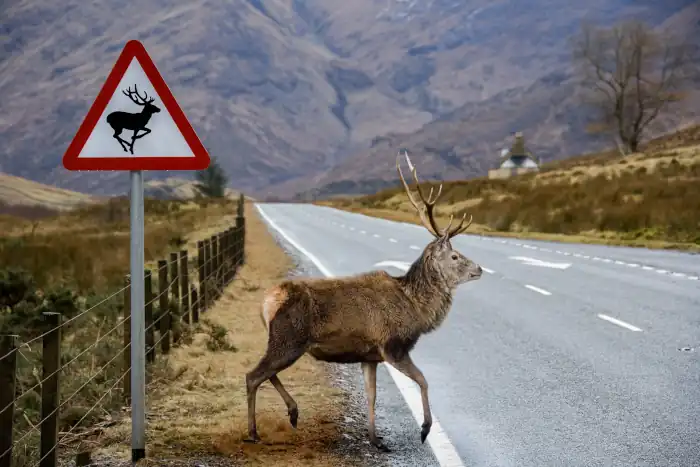
Deer-related roadkill represents one of the most serious wildlife-vehicle collision issues in the United States. Each year, an estimated 1.8 million deer-vehicle collisions occur nationwide, though many go unreported. These accidents cause extensive property damage, thousands of injuries, and fatalities among drivers and passengers.
Deer collisions peak in autumn, particularly during October and November, when mating season—the rut—drives increased movement. States such as Pennsylvania, West Virginia, Michigan, Wisconsin, and Montana consistently rank among the highest for collision risk. Deer often travel in groups, meaning that if one crosses the road, others may follow immediately after, catching drivers off guard.
Unlike smaller animals, deer pose a severe threat due to their size and height. Swerving to avoid them can result in rollovers or collisions with other vehicles. In this way, roadkill becomes not just a wildlife issue but a major human safety concern, linking conservation and transportation policy more closely than many people realize.
Birds, Reptiles, and the Unseen Victims
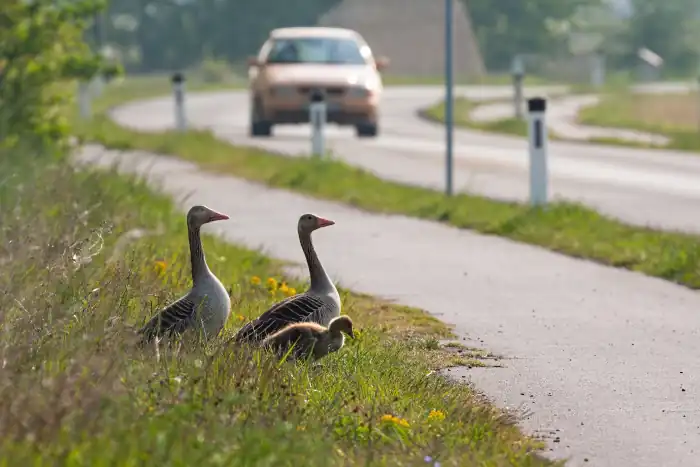
While large mammals attract the most attention, millions of smaller animals die as roadkill every year without notice. Birds collide with vehicles while feeding on roadside insects or scavenging carcasses. Turtles are especially vulnerable during nesting season, when females cross roads to lay eggs. Frogs, snakes, and salamanders often migrate en masse during rainy nights, leading to devastating mortality events that are rarely counted.
These losses matter. Amphibians, for example, play a critical role in controlling insect populations and maintaining healthy aquatic systems. When roads eliminate large numbers of these animals, the effects ripple through entire ecosystems.
What’s Being Done: Turning Awareness into Action
Despite the scale of the roadkill crisis, effective solutions already exist. Around the world, wildlife crossings—including overpasses and underpasses—have proven remarkably successful. When combined with fencing that guides animals toward safe crossing points, these structures can reduce animal-vehicle collisions by more than 80 percent. Some countries now require wildlife corridors in new road projects, recognizing them as essential infrastructure rather than optional extras.
Road design also plays a crucial role. Managing roadside vegetation, avoiding attractants like salt pools, and incorporating animal detection systems can significantly reduce risk. In some regions, sensors trigger warning lights when large animals approach the roadway, giving drivers precious extra seconds to react.
The Power of Driver Awareness
Individual drivers can also make a real difference. Slowing down in wildlife-rich areas, especially at dawn and dusk, dramatically increases reaction time. Using high beams when safe helps spot eye shine on the roadside. Gentle honking may encourage animals to move away, while aggressive swerving often creates greater danger.
Public awareness campaigns have shown that education works. When drivers understand why roadkill happens and how to reduce it, collision rates drop. Simple behavior changes, multiplied across millions of drivers, can save countless animal lives.
Community Action and Better Data
Local communities play an important role in addressing roadkill. Reporting incidents helps transportation agencies identify hotspots and prioritize mitigation efforts. Citizen science projects, universities, and conservation groups often use roadkill data to guide research and policy decisions. Even small actions, such as safely moving a small carcass off the road, can prevent secondary collisions involving scavengers.
Reducing overall car use through improved public transportation also lessens the total impact of roads on wildlife. Fewer vehicles mean fewer collisions, lower pollution, and quieter landscapes.
Why Roadkill Truly Matters
Roadkill is not just about individual animals lost along the roadside. It is a major driver of biodiversity decline, altering ecosystems and pushing vulnerable species closer to extinction. Every road cuts the natural world into smaller pieces, shrinking the space in which wildlife can survive. As infrastructure expands globally, the problem will only grow unless mitigation becomes standard practice.
The good news is that this is a crisis with clear solutions. By combining smarter road design, stronger policies, community involvement, and responsible driving habits, we can dramatically reduce the devastating impact of roadkill on biodiversity.
A Short Reflection: The U.S. and the World
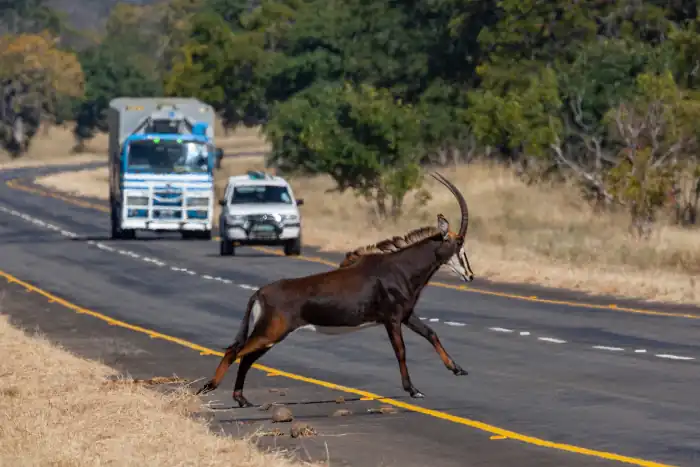
In the United States, roadkill is increasingly recognized as both a conservation issue and a public safety concern, especially with high-profile cases involving deer and endangered species like the Florida panther. While progress has been made, wildlife crossings are still far from universal. In parts of Europe and Australia, however, integrating wildlife corridors into road planning is more common and often mandated by law. The global lesson is clear: when nature is considered from the start, roads can exist without becoming deadly barriers. The challenge for the U.S. and the rest of the world is to treat wildlife-friendly infrastructure not as an exception, but as the norm.
Final Thoughts: Change a Life Today, save animals’ lives
The next time you drive, slow down and look beyond the pavement. Every mindful choice—supporting wildlife crossings, driving carefully, or sharing awareness—helps turn roads from barriers into bridges. Protecting wildlife doesn’t always require grand gestures; sometimes, it starts with how we travel home.
Product Tips
-
64.6″ Rolling Metal Ferret Cage Large 4-Tier Critter Nation
Original price was: $197.46.$55.61Current price is: $55.61. -
Pet Nail Clipper Scissors + LED Light Cat Dog Nail Clippers
Original price was: $11.91.$5.00Current price is: $5.00.


Disclosure: This site participates in various affiliate programs, including Amazon Services LLC Associates, eBay Partner Network, AliExpress Affiliate Program, and others. This means we may earn a commission on qualifying purchases made through links on this site, at no additional cost to you.
New Posts
- Hope Beyond Roadkill: Protecting Wildlife on Modern Roads
- Sacred Bonds of Love; Blessing of the Animals

- Wildlife Hopeful Paths for Nature’s Future
- Marine life parks: Living Wonders of the Sea

Categories
Tags
animal conservation animal protection animal welfare cat grooming tips cat mental health Cats Health cat training dog behavior dog grooming Dog travel tips farm animal care farm animals farmyard animals Rabbit Care Tips working animals

Share: