

Discover the Marvelous World of Land Animals
Fascinating Facts About Land Animals You’ll Love
When we talk about land animals, we’re diving into a marvelous part of our planet’s biodiversity, and these are animals that live mostly or entirely on land instead of water or air. Think of lions, elephants, frogs, lizards, and even penguins, and yep, penguins count too—even though they love water, they can’t fly and live on land. The term covers everything from furry mammals to scaly reptiles, hopping amphibians, and quirky flightless birds with super tiny wings.
Land animals are absolutely everywhere—from deep forests to dry deserts, grassy plains to rocky caves, and each one plays a special role in its ecosystem, and many have fascinating features and survival skills that are honestly cooler than most superhero powers. In this article, we’ll explore the awesome diversity of land animals, including mammals, reptiles, amphibians, and flightless birds. We’ll even sprinkle in some neat facts about where they live and how they thrive.
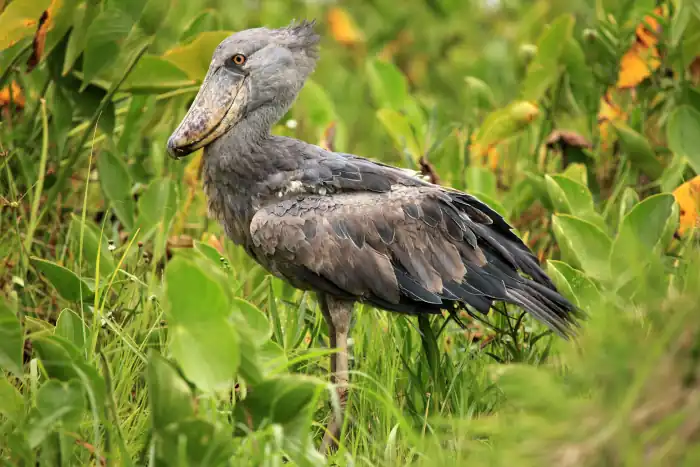
What Are Land Animals Really?
The key phrase land animals refers to creatures that live most of their lives on land. That’s different from aquatic animals (like fish or dolphins) or those that can live in both places, like frogs. But get this: many animals don’t just chill on flat ground. Some climb trees, burrow underground, or jump across rocks. Even though they all live on land, they’ve got their own styles.
These creatures are also called terrestrial animals, and that includes every type from lions to lizards. Some even have special labels depending on where they live. For example:
- If they live on rocks, they’re called saxicolous (from the Latin word for rock).
- If they hang out in sandy areas, they’re arenicolous.
- And those that live in caves? They’re part of the troglofauna group.
So basically, land animals are like the adventurous roommates of Planet Earth’s surface!
Land Animals by Type: The Coolest Categories
Let’s break things down by group so you can really get to know the wild world of land animals. From snuggly to scary, they’re all marvelous in their own way.
Mammals – Warm-Blooded Land Legends
When you think of land animals, mammals, you probably picture lions, bears, elephants, or maybe your own pet dog or cat. Mammals are warm-blooded, usually have fur or hair, and most give birth to live babies, and these are some of the most familiar animals to us—and many live alongside humans.
Some of the most famous land mammal species include:
- Lions
- Elephants
- Tigers
- Wolves
- Kangaroos
- Bison
Mammals are also super adaptable. You’ll find them in icy mountains, humid jungles, and grassy plains, and they’re key players in almost every terrestrial animal ecosystem, helping to control populations, spread seeds, and even shape the landscape.
Want to adopt a cool animal-themed backpack inspired by wild mammals? Check this out (AFFILIATE LINK)!
Reptiles – Ancient, Cold-Blooded Survivors
Next, we’ve got land animals and reptiles. These creatures have been around since the time of dinosaurs and are known for their tough scales and cold-blooded nature, which means they depend on the sun to warm their bodies—so you’ll often see them basking in sunny spots.
Examples of terrestrial reptiles include:
- Snakes
- Tortoises
- Iguanas
- Komodo dragons
- Chameleons
Reptiles are slow-moving but deadly when needed. They’re silent hunters and play a huge role in keeping ecosystems balanced, and despite their scary reputation, most reptiles are shy and would rather slither away than start a fight.
Amphibians – The Water-Land Masters
Land animals and amphibians are unique because they usually live part of their life in water and part on land. Frogs and salamanders are classic examples. They often start life as tadpoles in water and grow legs to hop onto land.
Talk about a glow-up!
Some cool amphibians to know:
- Frogs
- Toads
- Newts
- Salamanders
These creatures breathe through their skin and are super sensitive to pollution, making them great indicators of environmental health. If amphibians disappear from a place, it’s usually a red flag for the whole terrestrial animals ecosystem.

Flightless Birds – The Earth-Bound Flyers
Let’s talk about the super weird but lovable flightless birds. These are land animals flightless birds with very small wings that cannot fly, even though they’re technically birds! Instead of flying, they’ve adapted to running, swimming, or hiding.
Here are some fun examples of flightless birds:
- Ostriches
- Emus
- Cassowaries
- Rheas
- Kiwis
- Penguins (yep, they’re birds even if they swim like fish!)
- Flightless cormorants
Most of these birds live in isolated places like New Zealand, Australia, or the Galápagos Islands. They’ve lost the ability to fly because they didn’t need to escape predators. Some, like the ostrich, are super fast runners instead!
If you’re thinking about bird-watching gear or binoculars, check out this awesome kit (AFFILIATE LINK).
Arboreal Animals – Masters of the Treetops
Now, let’s talk about land animals, arboreal species. These are animals that live most of their lives in trees. Arboreal creatures are built for climbing, jumping, and hanging from branches, and they usually have strong limbs, gripping toes, or long tails to help them balance.
Popular arboreal land animals:
- Monkeys
- Sloths
- Tree frogs
- Lemurs
- Koalas
- Chameleons
- Flying squirrels
- Tree snakes (like green tree pythons)
These animals live in rainforests, jungles, and woodlands—anywhere with tall trees and lots of cover, and they stay high to avoid predators, find food like fruit or insects, and sometimes even sleep in the treetops. Some are fast, like squirrels; others are super slow, like sloths.
Arboreal animals are essential to their ecosystems. They help spread seeds, eat pests, and are part of the balance of forest life.
Want tree-animal-themed décor or a rainforest animal puzzle? Check out this selection here.
Terrestrial Animals Ecosystem: More Than Just Land
Land animals—whether they crawl, climb, dig, or jump—are part of the terrestrial animal ecosystem, and this includes: Forests, Mountains, Deserts, Plains, Caves, Urban areas, where every terrestrial animal species plays a role in keeping the planet in balance, from munching on plants to hunting prey, each land animal helps its ecosystem work like a well-oiled machine. For example:
- Herbivores (like deer and giraffes) trim plants and spread seeds.
- Carnivores (like wolves and big cats) manage population sizes.
- Scavengers (like vultures) clean up dead animals and stop disease from spreading.
Even insects and tiny critters matter—ants, beetles, and earthworms are essential for healthy soil, helping aerate the soil and break down old plants. It’s one big, balanced web of life.
So when we say “terrestrial animal ecosystem,” we’re talking about a huge team effort. Every animal matters, no matter how big or small.
Terrestrial Animals Names List – Learn a Few More!
Here’s a cool list of land animal names by category:
Mammals: Elephant, lion, tiger, wolf, kangaroo, giraffe, panda, bison, Armadillo, Pangolin, Mole Platypus ( mammal, monotreme—it lays eggs and lives on land!)
Reptiles: Tortoise, iguana, gecko, snake, Komodo dragon
Amphibians: Frog, toad, salamander, caecilian
Flightless Birds: Ostrich, emu, penguin, cassowary, kiwi
Arboreal Species: Monkey, sloth, koala, tree frog, lemur, chameleon, tree snake, flying squirrel
Check out our educational animal flashcards or a wildlife activity kit here!
Land Animals Across the Globe
Every continent has unique terrestrial animal species:
- Africa: Elephants, lions, rhinos
- Asia: Tigers, pangolins, red pandas
- Australia: Kangaroos, koalas, emus
- South America: Sloths, jaguars, tree frogs
- North America: Wolves, bears, moose
- Europe: Foxes, lynx, hedgehogs
- Antarctica: Penguins (on land, not in the air!)
Some animals love sand and are called arenicolous. Others live among rocks—those are saxicolous. And cave dwellers? They belong to the mysterious troglofauna group.

Final Thoughts: Land Animals Across Continents
Land animals are found on every single continent, and each place has its own stars. Africa is home to elephants, lions, and rhinos—big mammals that dominate the plains, while in Australia, kangaroos, wombats, and emus rule the outback. Meanwhile, South America is rich with unique reptiles and amphibians in the Amazon rainforest; instead, in Europe and North America, there are deer, wolves, and bears in forests and mountains. Asia has everything from tigers to pangolins. And even Antarctica has land-based birds like penguins chilling in the cold.
Every continent has adapted animals, shaped by its weather, landscape, and history. This diversity is what makes terrestrial animal species so fun to explore. We’re all part of this global story—whether we’re watching wildlife documentaries or visiting zoos and nature reserves.
Final Thoughts – Protecting the Wild
Land animals are everywhere, from your backyard to deep forests and deserts. Whether they swing through trees or run through the grasslands, each one is vital to our planet.
Want to help? Learn more, share what you know, or support wildlife conservation projects; even small actions like recycling and planting trees can help protect these marvelous creatures and the habitats they call home.
Frequently Asked Questions.
What are land animals?
Land animals are creatures that live primarily on land, including mammals, reptiles, amphibians, arboreal species, and flightless birds.
What are arboreal species?
Arboreal species are animals that live in trees, such as monkeys, sloths, chameleons, and flying squirrels.
Which birds can’t fly?
Flightless birds like ostriches, emus, cassowaries, rheas, and penguins have small wings and are unable to fly.
What is a terrestrial animals ecosystem?
It’s a land-based habitat where animals interact and support each other’s survival in forests, deserts, and other landscapes.
Product Tips
-
Pet Nail Clipper Scissors + LED Light Cat Dog Nail Clippers
Original price was: $11.91.$5.00Current price is: $5.00.




Disclosure: This site participates in various affiliate programs, including Amazon Services LLC Associates, eBay Partner Network, AliExpress Affiliate Program, and others. This means we may earn a commission on qualifying purchases made through links on this site, at no additional cost to you.
New Posts
- Hope Beyond Roadkill: Protecting Wildlife on Modern Roads
- Sacred Bonds of Love; Blessing of the Animals

- Wildlife Hopeful Paths for Nature’s Future

- Marine life parks: Living Wonders of the Sea

Categories
Tags
animal conservation animal protection animal welfare cat grooming tips cat mental health Cats Health cat training dog behavior dog grooming Dog travel tips farm animal care farm animals farmyard animals Rabbit Care Tips working animals
Share: