

Delicious Guide to Parrots Food for a Happy, Healthy Bird
Bright Ideas for a Happy Parrot Diet

Final Thoughts: Parrots Food Around the World vs. the U.S.
Parrots food habits can vary a lot depending on where you live. In the U.S., people have better access to high-quality pellets, exotic fruits, and online tools to learn what’s best for their birds. Many American pet stores carry pre-balanced parrot food mixes, giving owners more options.
In some other parts of the world, parrots are still fed mostly seeds or table scraps, and that can lead to malnutrition and health issues like feather plucking or obesity. The more we share what we know, the better care parrots can receive everywhere.
The truth is, parrots are smart, sensitive, and fun animals. When we give them the right food, we’re not just helping them survive—we’re helping them thrive, and who doesn’t want a happy, chatty, shiny-feathered friend for life?
So remember: Build a colorful, safe, and tasty diet, keep things fresh and fun, and stay curious. Your parrot deserves it.
Call to Action: Let Your Parrot Taste the Rainbow!
Start transforming your parrot’s meals today! Try adding one new colorful fruit or veggie to their bowl this week. Looking for quality pellet mixes or foraging toys? Check out our top picks here.
Happy feeding—and may your bird’s feathers shine brighter than ever!
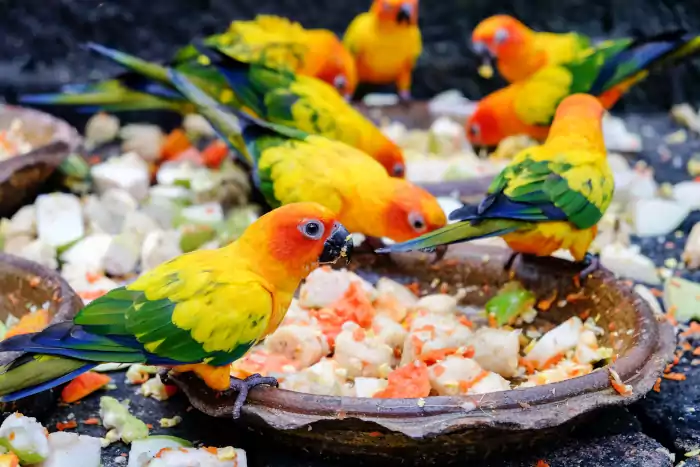
- Vitakraft Menu Premium Parrot Food – Vitamin-Fortified – Macaw, Amazon,…
- Hagen Tropimix Enrichment Food for Small Parrots, 4 lb. (1.8 kg) – HARI Small…
- F.M. Brown's Tropical Carnival, Gourmet Macaw Food Big Bites for Big Beaks,…
- Wild Harvest Universal Blend for Medium and Large Birds 10 Pounds; Fortified…
- Wild Harvest Advanced Nutrition Parrot 8 Pounds, Seed, Grain And Vegetable Mix
What to Feed Your Parrot for a Healthy Life
You know how we feel better when we eat a colorful, varied diet? Parrots are the same. Their food should be like a rainbow: full of natural goodness and bursting with vitamins. When planning your parrot’s meals, think fresh fruits, crunchy veggies, grains, healthy pellets, and only a sprinkle of seeds.
Fruits like apples (with seeds removed!), bananas, grapes, berries, and mango bring in natural sweetness and vitamins, and veggies like bell peppers, carrots, broccoli, and leafy greens are excellent too, just make sure everything is washed and chopped into safe bite-sized pieces. A good rule? If you can eat it fresh and raw, chances are your parrot can too.
Now, here’s where you can insert pellet recommendations. Not all pellets are created equal, so finding one that’s high-quality, without artificial colors or sugars, is key. Pellets should be the base of the diet, with fruits, veggies, and occasional seeds sprinkled in for variety.
Parrot Food Tips to Keep Feathers Shiny and Health on Track
Ever seen a parrot with dull or scruffy feathers? That’s often because their diet is lacking, because omega-3 fatty acids, vitamins A and E, and proper hydration all play a part in keeping their feathers glossy and beautiful.
Feeding small portions more frequently helps, too. Parrots love to forage and snack, so splitting meals into fun, scattered moments throughout the day keeps them mentally and physically active. Try using puzzle feeders or hanging fresh greens around their cage for some playful feeding time.
Also, skip the salt, sugar, and anything processed. No chips, crackers, or chocolate—ever. Those are dangerous for parrots and can seriously damage their health; instead, go for whole grains like brown rice or quinoa in small amounts.
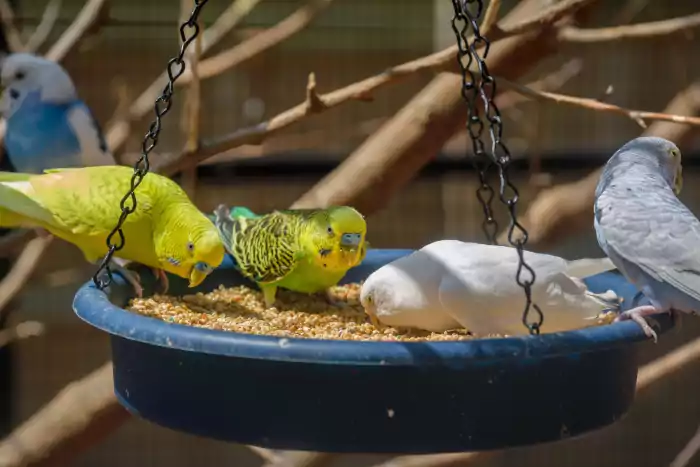
Make Your Parrot’s Meals Safe, Fun, and Nutritious with This Easy Guide
Keeping things safe means learning what’s not okay for parrots, too. Some foods are toxic, like avocado, caffeine, alcohol, and onions; even a tiny bite of these can be harmful. When in doubt, stick to fresh, whole, plant-based foods and research anything new before offering it.
Parrots also love variety and color in their diet, so mix it up. One day, try a tropical fruit bowl with pineapple and papaya. The next offer was steamed sweet potato and kale. Keep it interesting, and your bird will look forward to every bite; that’s also a great way to encourage picky eaters to try new things.
Use feeding time as bonding time. Sit near them, chat, and even share a few bites of safe food. This makes your bird feel part of the flock and helps you build trust.
Building a Colorful and Healthy Diet
It might sound a little silly, but parrots really do appreciate meals that look good. Bright foods attract their attention. Red, orange, and green foods are not only fun to eat, they’re packed with nutrients. Bell peppers, strawberries, spinach, and squash are all great options.
Also, don’t forget about hydration. Some parrots are picky about water. You can add a splash of unsweetened coconut water or mix in a bit of natural fruit juice for flavor, and always provide fresh, clean water every day.
And yes, you can even bake homemade parrot treats with safe ingredients like oats, mashed banana, and shredded carrots. It’s a cool way to control what goes into their snacks and avoid anything sketchy. Add some dried herbs like parsley for a health boost.
Product Tips



Disclosure: This site participates in various affiliate programs, including Amazon Services LLC Associates, eBay Partner Network, AliExpress Affiliate Program, and others. This means we may earn a commission on qualifying purchases made through links on this site, at no additional cost to you.
New Posts
- Hope Beyond Roadkill: Protecting Wildlife on Modern Roads

- Sacred Bonds of Love; Blessing of the Animals
- Wildlife Hopeful Paths for Nature’s Future
- Marine life parks: Living Wonders of the Sea

Categories
Tags
animal conservation animal protection animal welfare cat grooming tips cat mental health Cats Health cat training dog behavior dog grooming Dog travel tips farm animal care farm animals farmyard animals Rabbit Care Tips working animals

Share: