
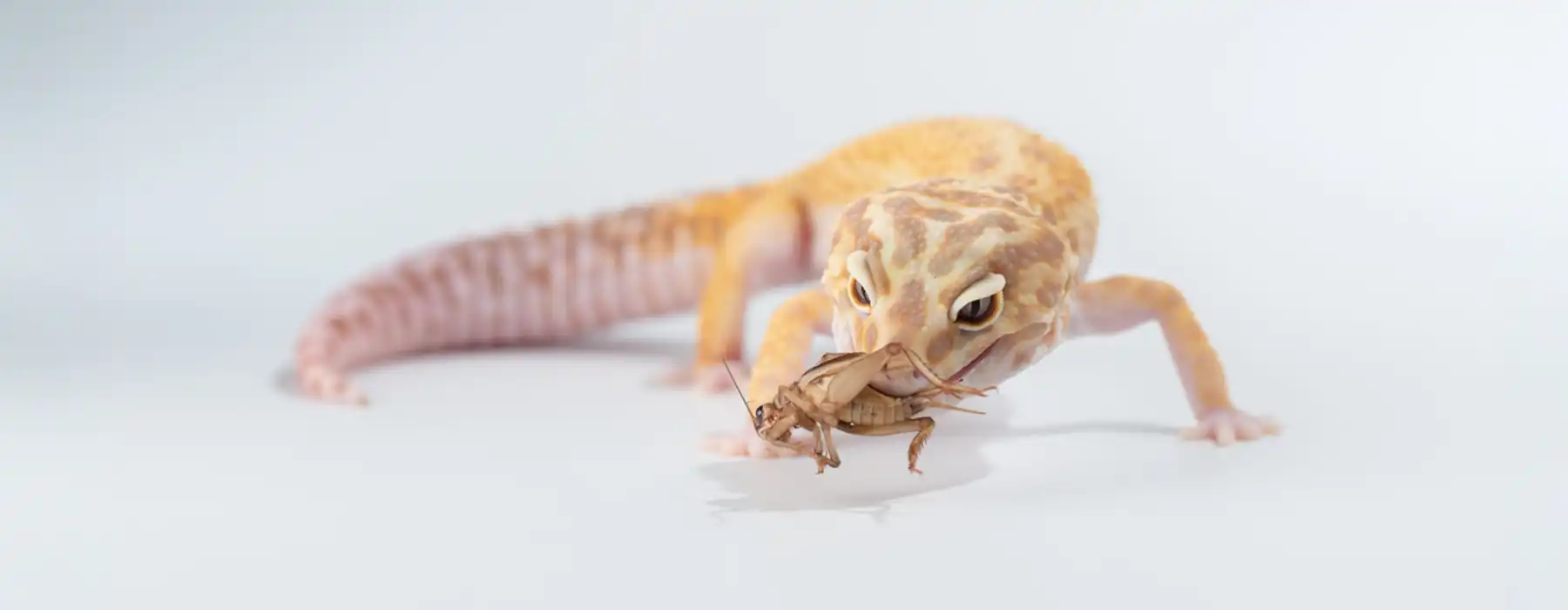
Nourishing Happiness: The Ultimate Guide to Reptile Nutrition for Bearded Dragons
Healthy Habits Through Reptile Nutrition
If you’ve ever watched your bearded dragon crunch into a cricket or nibble on a fresh green leaf, you know that feeding time is more than just a routine, but it’s part of the bond you share with your scaly friend. Yet, Reptile Nutrition isn’t always as simple as tossing in a few bugs and greens, because the balance of what your dragon eats determines everything from their energy level to their colors, mood, and even their smile.
Understanding reptile nutritional health can feel tricky at first. But once you know the key principles — and how a dragon’s diet shifts as they grow, you’ll unlock the secret to keeping your pet strong, happy, and glowing with vitality.
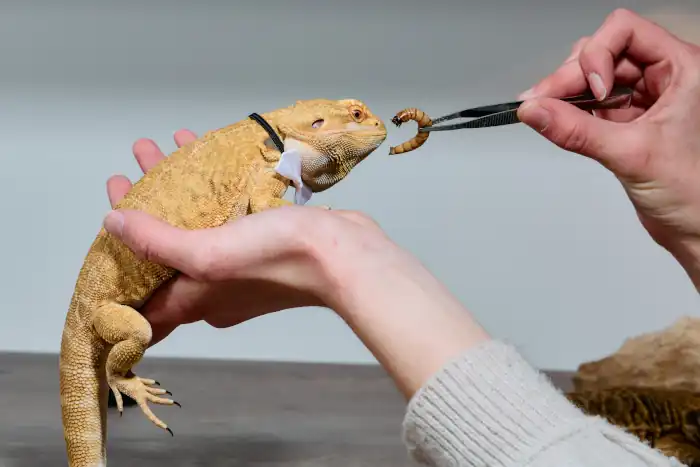
The Secret to a Healthy Bearded Dragon Starts with the Right Food
Many new owners are surprised to learn how bearded dragon food requirements change over time. These reptiles aren’t just mini dinosaurs with a fixed diet; their bodies evolve dramatically as they mature.
For baby and juvenile dragons, rapid growth means they crave protein, and their diet should be 70–80% insects and only 20–30% greens. That heavy insect intake fuels muscle and bone development, helping them grow fast and strong.
As they reach adulthood (around 18 months and older), the balance flips, and adults thrive on a mostly plant-based diet, about 80% vegetables and greens and 20% insects, to maintain energy without gaining excess fat. Feeding too many insects in adulthood can lead to obesity and sluggish behavior.
So, think of it this way: your baby dragon’s bowl should look like a mini bug buffet, while your adult’s should resemble a colorful salad bar.
Unlock Your Bearded Dragon’s Health with the Right Balance of Bugs and Greens
Here’s where many owners accidentally go wrong: not all bugs or greens are created equal. A bearded dragon’s digestive system is sensitive, and their nutritional balance depends on quality over quantity.
Choose feeder insects wisely: Black soldier fly larvae (BSFL), crickets, Dubia roaches, and silkworms make excellent staples; they’re rich in protein, calcium, and easy to digest. On the other hand, mealworms and superworms, while popular, are high in fat and have tough shells that can cause digestion problems if fed too often.
When it comes to greens, color is your best clue: Collard greens, mustard greens, turnip greens, and dandelion leaves are packed with calcium and vitamins. Bright veggies like bell peppers, butternut squash, and endive add variety and hydration.
Avoid overusing spinach or beet greens, which can block calcium absorption. And skip iceberg lettuce — it’s mostly water and offers almost no nutrition.
Always gut-load feeder insects by feeding them healthy greens 24 hours before serving, and then dust them with calcium and multivitamin powder as directed by your vet. These steps ensure your dragon absorbs the full spectrum of nutrients they need.
Crunchy Meals for Scaled Friends: A Day in the Life of a Healthy Diet
Imagine breakfast for your dragon: a crisp mix of collard greens and dandelion leaves, lightly sprinkled with calcium powder. Later in the day, a serving of gut-loaded Dubia roaches offers a satisfying crunch and a burst of energy.
These simple habits — alternating greens and insects throughout the week — mimic the natural eating rhythm of wild reptiles. They keep your bearded dragon stimulated, engaged, and physically balanced.
Even fruits can have their place, as an occasional dessert: Papaya, berries, apples, and mango add natural sweetness but should make up no more than 5% of their total diet. Too much sugar can disrupt their digestion and cause lethargy.
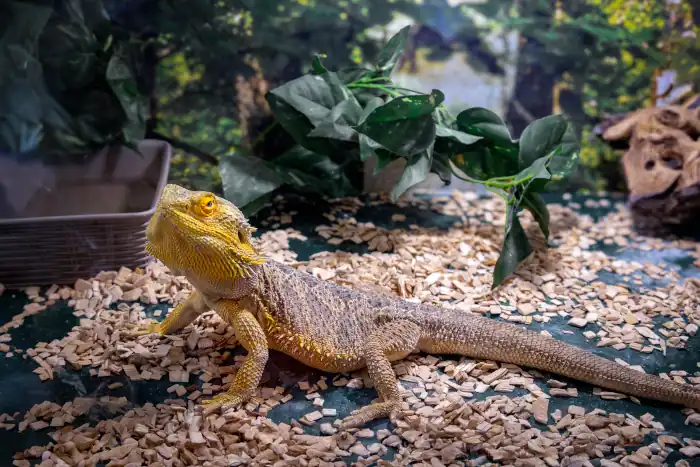
What to Feed a Bearded Dragon (and What to Avoid)
A good rule of thumb is to think in categories rather than strict lists. Greens are daily fuel. Insects are the protein boost. Fruits are treats. And some foods are best avoided altogether.
Toxic foods such as avocado, onion, and rhubarb can be dangerous. Wild-caught insects should also be avoided, as they may carry parasites or pesticide residues.
Feeding bearded dragons properly isn’t just about what goes in their bowl; it’s about the balance between nutrients. The right ratio of calcium, phosphorus, and vitamins supports bone health and prevents common issues like metabolic bone disease.
Your bearded dragon will show you how they feel; a bright-eyed, active, and alert dragon is a well-fed dragon. A sluggish or dull-colored one might be missing something in their diet.
They’re Picky Eaters! Learning the Right Balance of Bugs and Greens
If your bearded dragon turns up their nose at certain greens or refuses insects one week, don’t panic — they can be surprisingly selective. Like people, reptiles have preferences that shift over time.
Try gently varying their menu and presentation by offering greens first thing in the morning, before insects, which encourages them to eat their vegetables while they’re hungriest. Mixing textures or slightly warming their food can make a big difference.
Consistency and patience pay off. Once your dragon associates greens with positive feeding experiences, you’ll find they become more adventurous eaters.
The reward? Brighter colors, stronger bones, and a pet who looks and feels their best every day.
The Science Behind Reptile Nutritional Health
Good reptile nutrition isn’t just about feeding; it’s about replicating nature, and in the wild, bearded dragons roam vast areas in search of food, getting a mix of live insects, leaves, and seasonal fruit. This variety keeps their digestive system strong and their immune defenses sharp.
In captivity, it’s your job to recreate that diversity in a smaller, safer environment. That means rotating insect species, offering fresh greens daily, and ensuring hydration through both food and misting.
Water bowls help, but most dragons prefer licking droplets off surfaces — a habit that comes from their desert origins. Offering foods with natural moisture, like squash or hornworms, helps them stay hydrated without overdrinking.
Ultimately, the goal is balance: not too much protein, not too many sugars, and always plenty of calcium and fiber.

Reptile Nutrition in the U.S. vs. the Rest of the World
In the United States, reptile nutrition trends focus heavily on convenience — prepackaged foods, dried insects, and commercial pellets are widely available. They’re great for busy owners, but often lack the variety and freshness that dragons naturally crave.
In contrast, reptile owners in Australia, Europe, and parts of Asia tend to emphasize fresh produce and live feeding more consistently. Since bearded dragons are native to Australia, their diet there often mirrors wild conditions more closely — with local greens, native insects, and strict attention to calcium balance.
The global takeaway is clear: while U.S. pet owners have excellent access to reptile products and supplements, the best care often combines that convenience with a touch of nature — fresh, diverse foods and mindful feeding habits that honor the dragon’s natural instincts.
A Warm Reflection and Considerations.
Your bearded dragon’s health rests on what’s in their bowl; therefore, when you feed them thoughtfully, balancing bugs and greens, varying textures, and adding a dash of care, you’re not just nourishing their body. You’re building trust, energy, and a lasting connection.
So next time you sprinkle calcium powder on a pile of collard greens, take a moment to appreciate the simple joy of caring for a creature so ancient yet so personal.
Your dragon depends on you for every bite — make each one count.
Product Tips




Disclosure: This site participates in various affiliate programs, including Amazon Services LLC Associates, eBay Partner Network, AliExpress Affiliate Program, and others. This means we may earn a commission on qualifying purchases made through links on this site, at no additional cost to you.
New Posts
- Hope Beyond Roadkill: Protecting Wildlife on Modern Roads

- Sacred Bonds of Love; Blessing of the Animals

- Wildlife Hopeful Paths for Nature’s Future

- Marine life parks: Living Wonders of the Sea

Categories
Tags
animal conservation animal protection animal welfare cat grooming tips cat mental health Cats Health cat training dog behavior dog grooming Dog travel tips farm animal care farm animals farmyard animals Rabbit Care Tips working animals
Share: