
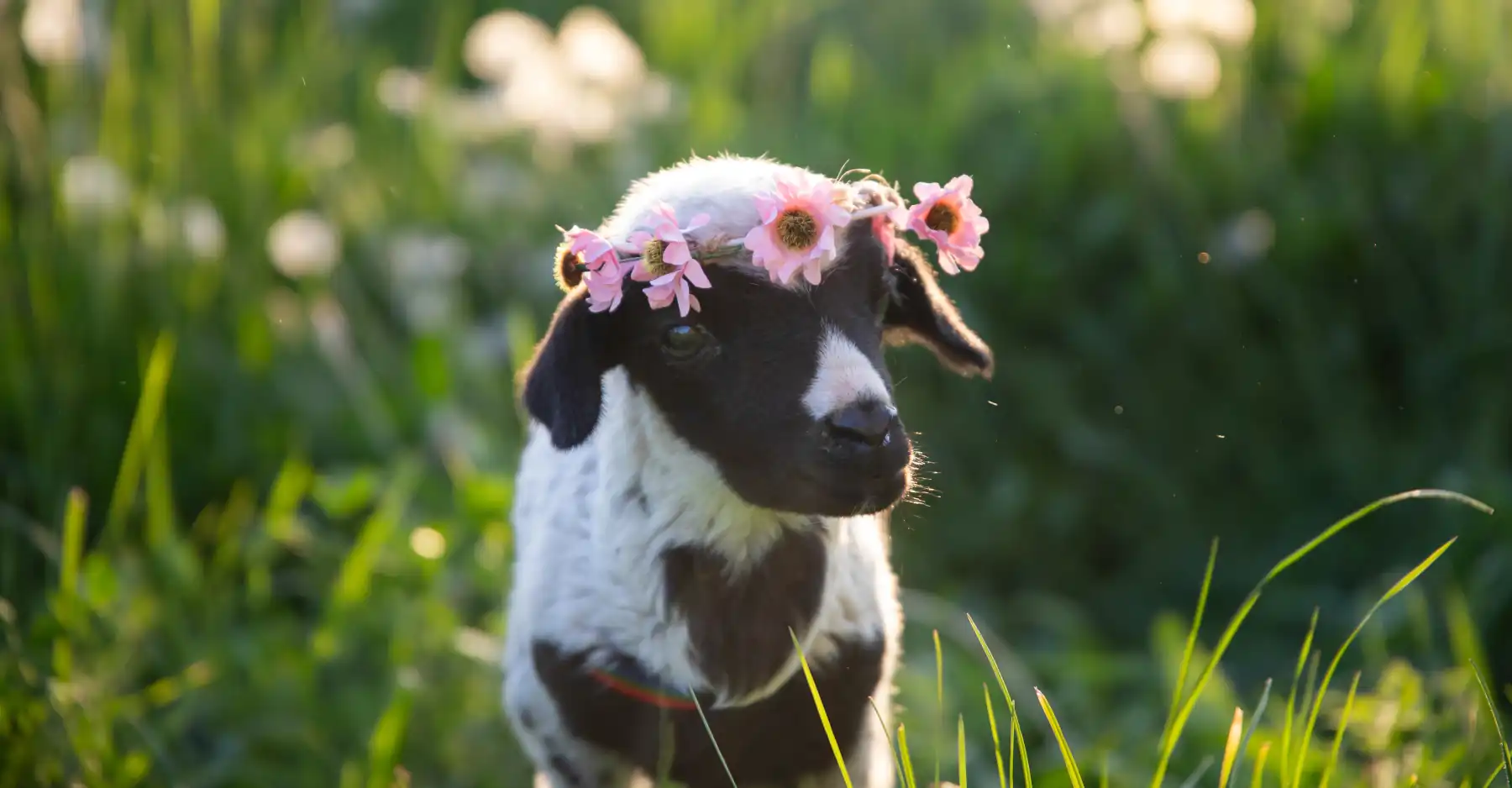
Sacred Bonds of Love; Blessing of the Animals
Blessing of the Animals as a Living Sign of Divine Love Across Cultures
The Blessing of the Animals is more than a charming seasonal service where pets receive a gentle sprinkle of holy water. For millions of people, it is a deeply moving reminder that animal love reflects something sacred, something timeless, and something profoundly human. Across cultures, faith traditions, and personal beliefs, the way humans love animals — and are loved in return — has long been understood as a reflection of the divine presence in everyday life.
In a world often marked by division, noise, and complexity, the simple, honest love of animals cuts through everything. It feels pure. It feels safe. And for many, it feels like God reaching us through creation itself. This belief sits at the heart of the Blessing of the Animals, a tradition rooted in Christianity but embraced far beyond church walls. Whether someone attends a formal service on October 4th or quietly whispers a prayer over a beloved pet at home, the message is the same: love, in its most faithful form, is holy.
Where the Blessing of the Animals Began
The origins of the Blessing of the Animals are inseparable from the life of St. Francis of Assisi, a figure whose spiritual legacy continues to resonate across centuries. Living in the early 13th century, St. Francis challenged the dominant worldview of his time by rejecting wealth and power in favor of humility, service, and radical love for all living things. He spoke to animals as equals, calling them brothers and sisters, and believed that every creature carried the imprint of God’s love.
This worldview reshaped how many Christians understood creation. Animals were no longer seen merely as resources or symbols, but as participants in God’s story. Over time, churches began honoring this belief through an annual ritual blessing, traditionally held on or near October 4th, the Feast of St. Francis. What began as a spiritual observance slowly became a global expression of gratitude, compassion, and connection between humans and animals.
Today, the Blessing of the Animals is celebrated in large cities and small towns alike. From historic cathedrals in New York to quiet community churches in rural America, the tradition continues to foster a sense of reverence for life in all its forms. It is heartwarming to see how the legacy of St. Francis continues to foster such a deep sense of connection between spirituality and the animal kingdom, reminding people that love itself is sacred.
What the Blessing of the Animals Means Today
Modern Blessing of the Animals services reflect a beautifully inclusive spirit. People arrive with dogs, cats, birds, rabbits, and sometimes even horses or reptiles, each animal representing a unique relationship built on trust and affection. Clergy often bless pets by name, acknowledging them as individuals rather than objects, and offering prayers that recognize their role in human emotional and spiritual well-being.
These services are not just about pets. They are about recognizing the holiness of the human-animal bond. Many services include readings from the Canticle of the Creatures, hymns celebrating creation, and reflections on stewardship, compassion, and responsibility. Even those who do not identify as religious often attend, drawn by the sense of community and the shared understanding that animals make our lives better in ways that words rarely capture.
In recent years, the tradition has expanded beyond churches. Animal shelters, veterinary clinics, and environmental organizations now host blessing events, blending faith, ethics, and advocacy. This evolution reflects a growing awareness that honoring animals also means protecting them, caring for their habitats, and acknowledging their emotional lives.
Animal Love as a Reflection of the Divine
For many believers, the love shared with an animal feels different from any other relationship. It is uncomplicated, unguarded, and deeply present. This is why animal love is so often described as a reflection of God’s character. Animals do not judge based on status, past mistakes, or future worries. They respond to love with loyalty, presence, and trust, qualities that mirror how many understand divine love.
This connection is not abstract. People experience it daily in small, intimate moments. A dog waiting faithfully at the door, a cat curling up beside someone during grief, a horse responding calmly to human emotion — these moments feel like living parables. They teach patience, humility, and attentiveness. They remind humans to live in the present and to love without condition.
Scripture often reinforces this perspective. The idea that “every good and perfect gift is from above” resonates deeply with pet owners who see their animals as blessings rather than possessions. Passages about loyal friends, faithful companionship, and devoted service are frequently interpreted through the lens of animal relationships, not as replacements for human bonds, but as spiritual companions along the journey.
- IFOLAINA 3D Cat Crystal Ball Gifts Ideas for Girlfriend Wife Mom Couple Her…
- Pet Dog Memorial Photo Frame Keychain, with Photo Protective Film, 'You are…
- Fanery Sue Pet Ashes Necklace Cremation Jewelry Personalized Picture&Quote…
- Eletizy Personalized Pet Memorial Photo Keychain,Custom DogCat Remembrance…
- Pet Memorial Car Hanging Ornament – Photo Frame for Rearview Mirror Decor,…
- Funnylife Custom Pet Memorial Necklace – Dog Loss Gift – Sympathy for Pet Loss
- FLDAS Dog Memorial Picture Frame 8×10, Pet Memorial Picture Frame, Pet…
- Funny DIY Personalized Pet Memorial Throw Pillows with Pictures Name, Custom…
Animals as Spiritual Teachers
Throughout Christian history, animals have often been viewed as teachers rather than distractions from faith. Saints like St. Francis and St. Dominic found spiritual insight through their interactions with animals, seeing them as mirrors of divine truth. Animals were not worshipped, but respected as fellow creatures shaped by the same creative love.
This idea extends into modern spirituality. Many people believe animals help guide emotional and spiritual growth by modeling virtues humans struggle to maintain. Loyalty without expectation. Joy without pretense. Presence without distraction. These qualities quietly invite reflection, encouraging people to simplify their lives and return to what truly matters.
The Blessing of the Animals acknowledges this role by affirming that animals are not spiritually neutral. They shape hearts, soften grief, and teach compassion. In moments of loss, their absence can feel devastating, which is why rituals around pet burial, memorials, and remembrance have become increasingly important. Some families choose personalized urns, engraved stones, or digital photo keepsakes to preserve memories, treating the loss of a pet with the same dignity given to human loved ones. These acts are not signs of excess emotion, but reflections of the deep spiritual impact animals have on human lives.
A Universal Theme Across Cultures
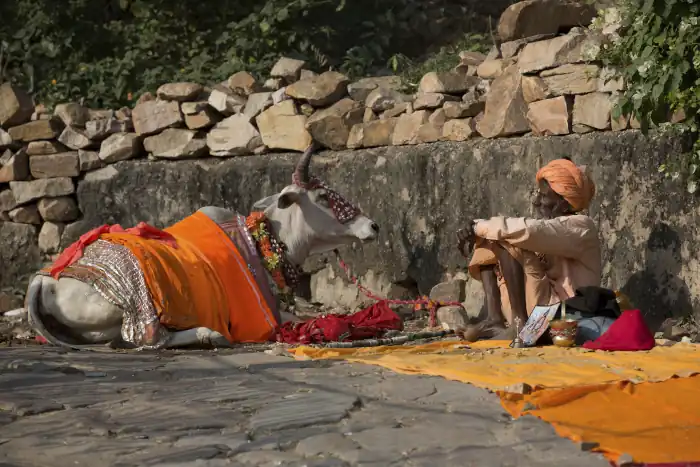
While the Blessing of the Animals is rooted in Christianity, the belief that animals carry spiritual meaning is universal. Across cultures and religions, animals are seen as sacred companions, moral teachers, and reflections of divine order. Buddhism emphasizes compassion toward all sentient beings, teaching that kindness to animals cultivates inner peace and spiritual clarity. Hindu traditions recognize the soul within every living creature, reinforcing respect and reverence for animal life. Islamic teachings highlight stewardship and mercy, reminding believers that caring for animals is a moral responsibility.
Even secular perspectives echo these themes. Many people who do not follow a specific faith still describe animal love as healing, grounding, and transformative. They speak of pets as family members, emotional anchors, and sources of unconditional support. This shared understanding bridges belief systems, showing that reverence for animals is not confined to doctrine, but rooted in human experience.
The Blessing of the Animals has become a symbolic meeting point where faith, ethics, and emotion converge. It affirms that love, when freely given and faithfully returned, is sacred regardless of language, culture, or creed.
Grief, Memory, and Sacred Remembrance
One of the most profound ways animal love connects to the divine is through grief. When a beloved pet dies, the pain can feel overwhelming, often surprising those who underestimated the depth of the bond. Many people seek rituals to honor that loss, not only for closure but for spiritual healing.
Memorial services, pet burials, engraved keepsakes, and digital memory collections have become meaningful ways to preserve the legacy of animal companions. These practices echo ancient traditions of remembrance, reinforcing the belief that love does not end with death. For some, remembering a pet becomes a quiet prayer, a reminder of joy once shared and a testimony to the enduring nature of love itself.
Within Christian thought, this grief is often framed as a reflection of divine love’s permanence. If love is a gift from God, then mourning its absence is a natural, even sacred response. The Blessing of the Animals offers comfort by acknowledging that animals matter, their lives have meaning, and their impact on human hearts is worthy of remembrance.

The Blessing of the Animals in the United States and Beyond
In the United States, the Blessing of the Animals has taken on a uniquely communal character. American churches often blend tradition with creativity, hosting outdoor services, partnering with animal shelters, and welcoming people of all beliefs. The focus tends to be on inclusion, emotional connection, and community engagement, reflecting broader American values around family, belonging, and personal spirituality.
In other parts of the world, the tradition may remain more closely tied to formal religious observance, particularly in countries with strong Catholic or Anglican roots. However, the underlying message remains consistent. Animals are valued as part of creation, deserving of care, respect, and gratitude. What differs is not the meaning, but the expression.
Globally, the growing interest in environmental stewardship and animal welfare has breathed new life into the Blessing of the Animals, transforming it into a symbol of hope and responsibility. Whether celebrated in a bustling American city or a quiet European village, the ritual continues to remind people that love, in all its forms, points toward something greater than ourselves.
Considerations.
Take a moment to reflect on the animals who have shaped your life. Whether they are curled up beside you now or live on in memory, their love has meaning. Consider attending a Blessing of the Animals, creating a ritual of gratitude, or simply honoring the bond you share. In recognizing animal love, we often rediscover the divine love already present within us.
Product Tips
-
Electrostatic Glove Pet Hair Removal Mitts Removes Hairs
Original price was: $2.56.$2.42Current price is: $2.42. -
Electrostatic Glove Pet Hair Remover Mitts Two-Way Brush
Original price was: $5.13.$2.56Current price is: $2.56.




Disclosure: This site participates in various affiliate programs, including Amazon Services LLC Associates, eBay Partner Network, AliExpress Affiliate Program, and others. This means we may earn a commission on qualifying purchases made through links on this site, at no additional cost to you.
New Posts
- Hope Beyond Roadkill: Protecting Wildlife on Modern Roads
- Sacred Bonds of Love; Blessing of the Animals
- Wildlife Hopeful Paths for Nature’s Future
- Marine life parks: Living Wonders of the Sea

Categories
Tags
animal conservation animal protection animal welfare cat grooming tips cat mental health Cats Health cat training dog behavior dog grooming Dog travel tips farm animal care farm animals farmyard animals Rabbit Care Tips working animals
Share: