

Golden Years, Golden Hearts: Caring for Senior Dogs
The Beauty of Growing Old Together
There’s something deeply comforting about watching your dog grow old beside you, the same puppy who once tore through your house with boundless energy now curls up next to you with quiet wisdom in his eyes. These senior dogs carry a lifetime of memories, loyalty, and love, and while they age, they depend on us to help them stay healthy, comfortable, and happy.
Caring for your senior dog isn’t just about vet visits or supplements, but it’s about adjusting to their new rhythm, understanding what their body needs, and cherishing every moment of the bond you’ve built. The golden years can be some of the most meaningful — if we learn how to embrace them with patience and care.

Understanding Senior Dogs and Their Changing Needs
A senior dog is typically considered one who’s entered the last third of their expected lifespan. For smaller breeds, that might mean around nine or ten years old; for larger breeds, it could start as early as six or seven. But just like people, every dog ages differently.
As dogs get older, they experience natural changes in metabolism, mobility, and energy levels, while their senses may dull a bit, hearing and sight can fade, and their sleeping habits often shift, while some might nap more frequently or prefer quieter spaces. You might notice they walk slower or hesitate before jumping onto the couch, and these are gentle reminders that your furry friend is entering a new phase of life.
Taking the time to learn how to care for your furry elder can make all the difference. When you tune in to their needs, both physical and emotional, you create an environment that helps them live out their golden years in comfort and joy.
Senior Dogs Care: Creating Everyday Comfort
Older dogs need a slightly different setup at home; therefore, start with their living environment, and since comfort is key, consider adding soft, orthopedic bedding to support their joints, especially if they suffer from arthritis or stiffness. Also, place food and water bowls at a comfortable height to reduce neck strain, and keep their favorite resting spots warm and draft-free, especially in winter.
Senior dogs lifestyle care also means being mindful of surfaces, and slippery floors can cause discomfort or even injury, so adding rugs or mats can help your dog feel more secure walking around. Make sure stairs are safe or blocked off if necessary.
Small changes make big differences, and the goal isn’t to restrict them but to ensure they can continue to move confidently and safely. Older dogs may not run like they used to, but they still enjoy gentle walks, new smells, and familiar routines that make them feel connected and loved.
Nutrition: The Foundation of Senior Dog Health
Food becomes more than fuel when your dog ages; it’s medicine, and caring for your senior dog includes adjusting their diet to meet changing nutritional needs. Many senior dog foods contain fewer calories but higher-quality protein and added nutrients like glucosamine, omega-3 fatty acids, and antioxidants.
Metabolism slows with age, and older dogs can gain weight easily if fed the same portions they had as youngsters. Excess weight can strain joints and organs, so monitoring portion size and nutrient balance is essential. Always talk with your vet before changing your dog’s diet, as certain conditions (like kidney or heart issues) may require special food.
Hydration is another key factor often overlooked, and senior dogs can become dehydrated more easily, so make sure fresh water is always available and that they drink regularly. Some pet parents add a bit of low-sodium broth to encourage hydration and appetite.
Good nutrition not only keeps your senior dog healthy it also keeps them vibrant and more engaged in daily life.
Exercise and Mental Stimulation for Older Dogs
Even though senior dogs slow down, they still need daily activity to stay fit — both physically and mentally. Regular walks are still beneficial, but they should be shorter, slower, and adapted to your dog’s endurance, and the goal is gentle movement, not exhaustion.
Mental exercise is just as important. Older dogs love routine but still enjoy small challenges like puzzle toys or scent games that encourage them to use their minds, and a few minutes of mental play can help prevent cognitive decline and lift their spirits.
Some owners find that senior dogs care is as much about connection as movement. Dogs thrive when they feel included, even if that means lying beside you while you read or watching birds together in the yard, and even if they might not fetch like they used to, but the companionship is what matters most.

- Hill's Science Diet Adult 7+, Senior Adult 7+ Premium Nutrition, Small…
- Nature’s Recipe Mature Lamb & Brown Rice Recipe Dry Dog Food, 24 lb. Bag
- Purina Pro Plan Senior Dog Food With Probiotics for Dogs, Shredded Blend…
- Blue Buffalo Life Protection Formula Natural Senior Dry Dog Food, Chicken and…
- Blue Buffalo Wilderness High-Protein Natural Dry Food for Senior Dogs,…
Health Checkups: Prevention and Early Detection
Regular vet visits become crucial as dogs age, and annual exams should turn into biannual checkups once they reach senior status. Vets can catch early signs of common conditions such as arthritis, diabetes, dental disease, or thyroid issues before they become severe.
It’s easy to dismiss subtle changes slower walks, mild stiffness, slight appetite loss as “just getting old,” but sometimes these are treatable conditions. Bloodwork and dental exams can reveal a lot about your dog’s overall health.
Senior dogs care to give golden years comfort and joy is really about staying proactive rather than reactive. Prevention, monitoring, and consistency are the best tools you have to keep your dog comfortable and thriving.
The Emotional Side of Caring for Senior Dogs
Aging affects emotions, too — not only for the dog but for the owner. Many people experience mixed feelings watching their dogs slow down, and there’s nostalgia, sadness, but also deep gratitude for the years shared.
Senior dogs often become even more affectionate, craving closeness and reassurance. They might follow you more often or seem uneasy when left alone, but responding with patience and love helps them feel secure.
Create peaceful moments together: brushing their coat, gentle cuddles, or simply sitting side by side. These quiet rituals strengthen your connection and bring comfort to both of you.
Senior Dogs Lifestyle Care at Home
Making home life easy for your senior dog isn’t complicated; it’s about paying attention, therefore watch how your dog moves, eats, and sleeps. Also, if they hesitate on stairs, you might add a small ramp, and if they seem cold, provide a cozy blanket.
Older dogs also benefit from predictable schedules. Feed, walk, and rest at similar times each day. Stability reduces stress and gives them a sense of control and comfort.
When it comes to grooming, go gently, because their skin becomes thinner and more sensitive. Warm baths, soft brushes, and soothing routines make them feel cared for and respected.
Older Dogs Need Love and Special Attention
Every dog, no matter their age, deserves love but senior dogs need it in a slightly different way. Their love language shifts from playtime and energy to peace, touch, and presence, and they may not chase toys anymore, but they’ll gladly rest their head on your knee for hours.
Recognizing what love looks like for them now is part of being a responsible and compassionate pet parent. Give them the same devotion they’ve shown you all these years — that’s the real heart of loving dogs in their golden years.
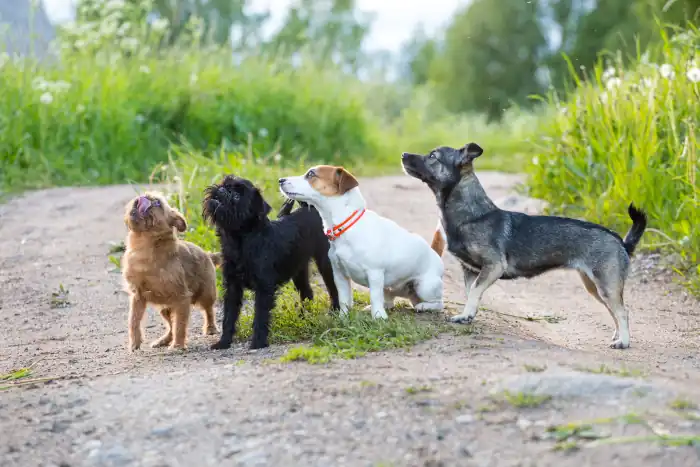
Senior Dog Care: The U.S. vs. The World
In the United States, pet ownership often feels like part of the family lifestyle, and many households invest heavily in high-quality food, regular vet care, and pet insurance. There are senior dog wellness plans, mobility aids, and even dog retirement communities — a reflection of how deeply Americans value their pets.
In other parts of the world, caring for older dogs can look different, and some cultures focus more on natural remedies or family-based care without advanced medical interventions. In Mediterranean countries, for example, senior dogs often live outdoors in mild climates, sharing daily life with neighbors and other animals.
Both approaches share one truth: senior dogs deserve respect and compassion. Whether it’s through modern healthcare or simple daily companionship, the goal is universal — to give our furry elders comfort, dignity, and love in their final years.
Conclusion: Make Every Moment Count
If you share your life with a senior dog, take this as a gentle reminder to slow down and enjoy it. Sit outside together, take shorter walks, share a snack, or just talk to them — they understand more than you think.
Caring for your senior dog is an act of gratitude for years of unconditional love. The time you invest now creates lasting peace for both of you, and their golden years can truly be golden full of comfort, joy, and the simple happiness of growing old with your best friend.
Product Tips
-
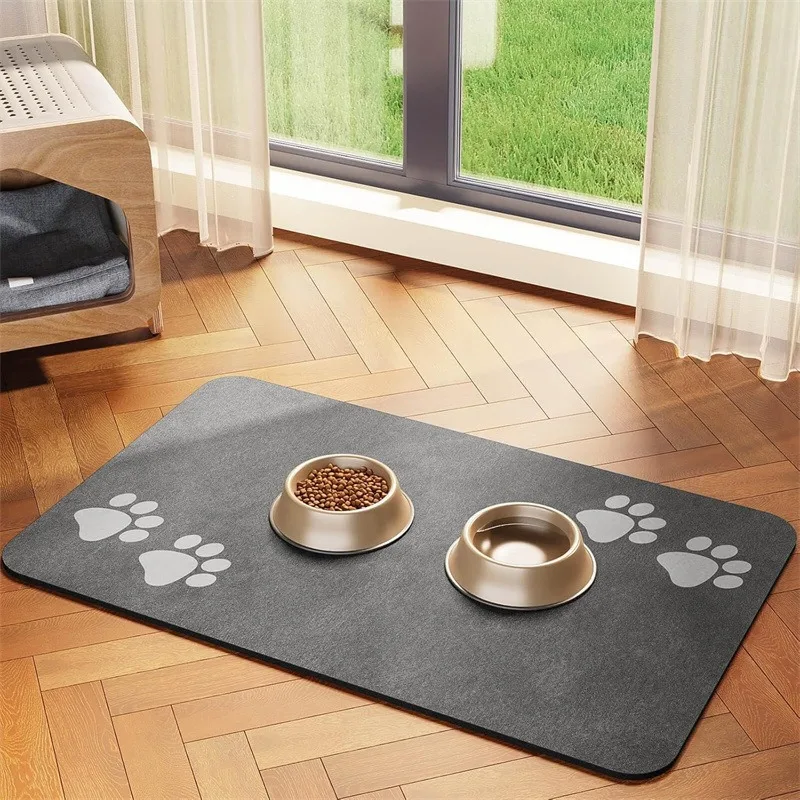
Dog Cat Mat Easy Clean Food Water Absorbent Pet Feeding
Original price was: $14.68.$7.19Current price is: $7.19. -
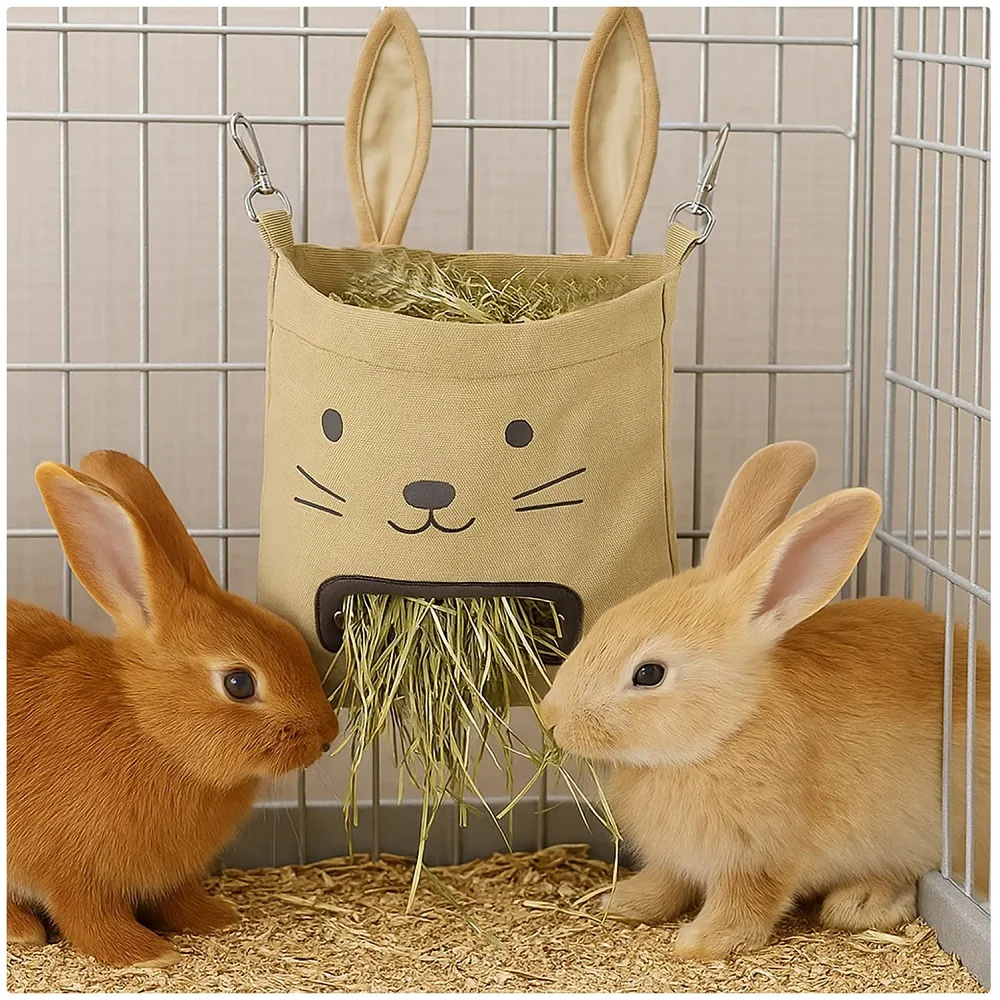
Rabbit Hanging Rodent Hay Bag Feeder Small Pet Supply
Original price was: $12.62.$6.05Current price is: $6.05. -
Dogs Beds Dog Sofa Warm Pet Winter Mat
Original price was: $47.78.$46.92Current price is: $46.92.


Disclosure: This site participates in various affiliate programs, including Amazon Services LLC Associates, eBay Partner Network, AliExpress Affiliate Program, and others. This means we may earn a commission on qualifying purchases made through links on this site, at no additional cost to you.
New Posts
- Hope Beyond Roadkill: Protecting Wildlife on Modern Roads
- Sacred Bonds of Love; Blessing of the Animals
- Wildlife Hopeful Paths for Nature’s Future

- Marine life parks: Living Wonders of the Sea

Categories
Tags
animal conservation animal protection animal welfare cat grooming tips cat mental health Cats Health cat training dog behavior dog grooming Dog travel tips farm animal care farm animals farmyard animals Rabbit Care Tips working animals
Share: