

Fish Health Care, Healing Your Aquarium: A Positive Guide to Common Disease
Fish Health and Diseases: Understanding Symptoms, Causes, and Treatments to Keep Your Underwater Friends Safe
Caring for aquarium fish is one of the most relaxing and rewarding hobbies, yet even the best-maintained tanks can face challenges. When something goes wrong, it usually shows up first in your fish’s behavior or appearance. That’s why learning about fish health and disease is one of the most valuable steps any hobbyist can take. Understanding how to recognize symptoms early, knowing the most common fish diseases, and being prepared with the right treatments can make the difference between a quick recovery and a heartbreaking loss. Whether you keep a simple freshwater setup or a colorful tropical collection, this guide will help you recognize trouble early, support healing, and protect your aquatic community.
Aquarium owners often feel helpless when their fish become sick, but the truth is that many issues can be reversed with early detection. Most problems stem from stress, inconsistent water quality, or introducing new fish too quickly. When you know what symptoms to watch for, you’re already ahead of the curve. By learning about fish disease symptoms, water quality and fish health, and smart prevention strategies like quarantine procedures, you gain the confidence needed to care for your underwater friends with calm, steady hands.
The goal of this article is simple: to help you understand common fish diseases, symptoms, and treatments, while also reminding you to always check with your veterinarian, especially if symptoms worsen or medications don’t seem to work. Fish may be small, but their well-being matters—and with the right knowledge, you can keep your aquarium thriving.

- 1-24 of over 3,000 results for "aquarium salt"
- 1-48 of 261 results for "betta water conditioner"
- 1-48 of over 2,000 results for "betta fish food"
- MICROBE-LIFT ART04 Artemiss Immune Booster and Disease Treatment for Fish…
- 1-48 of 58 results for "kanaplex"
- 1-48 of 169 results for "fish antibiotics"
- 1-48 of over 60,000 results for "aquarium"
The Emotional Toll and What to Watch For: Understanding Early Symptoms
Every fish keeper knows that sinking feeling when a fish acts a little “off.” Maybe it starts hiding more than usual, refusing food, or breathing faster near the surface. These may look like small changes, but in the world of fish health, small changes matter. Fish can’t vocalize discomfort, so you become their voice and their frontline defender.
Early symptoms are often subtle. You might notice a fish scraping against rocks or décor, a sign of irritation often linked to parasites. Or maybe you see frayed fins, which can suggest bacterial issues or aggressive tank mates. Sometimes a dusty shimmer on the body hints at an infection. Fish communicate with their bodies, and when you pay attention, you’re already giving them the best possible care.
Observing your fish every day—just for a few minutes—helps you catch problems early. Watching how they swim, breathe, eat, and interact becomes your first defense against sickness. Most fish diseases help to spot trouble early, so trust your instincts when something feels different.
Ich: The Most Recognizable—and Treatable—Aquarium Parasite
One of the most common problems in aquariums is Ich, also called White Spot Disease. Its cause is a protozoan parasite, Ichthyophthirius multifiliis, which attacks fish by embedding under the skin and gills. If you notice tiny white grains that look like table salt sprinkled over your fish, you’re likely seeing Ich.
This disease spreads fast, but the good news is that it’s very treatable. Medications such as copper sulfate, malachite green, or formalin are designed to target the free-swimming parasite stage. The key is consistency—these treatments must continue for 10 to 14 days so that every phase of the parasite’s life cycle is eliminated. Many hobbyists make the mistake of stopping treatment too early when the white spots disappear, but the parasite isn’t gone until its full cycle is complete.
To gain fish health, natural approaches can also support recovery. Slowly raising the temperature to the mid-eighties can speed up the parasite’s life cycle, making medication more effective. Aeration becomes important here, since warmer water carries less oxygen. Adding aquarium salt can also help in mild cases for scaled fish like Mollies or Guppies, but never use salt with scaleless species.
Whenever possible, recover infected fish in a quarantine tank, which protects your main aquarium and lets you observe healing more easily.
Bacterial and Fungal Infections: When Water Quality Plays the Biggest Role
Poor water quality is one of the most common reasons fish become vulnerable to infections. Fish health is in peril when ammonia or nitrite levels spike—even briefly—fish become stressed, and stress weakens immunity. Many bacterial and fungal diseases take hold only after fish are already compromised. Understanding these conditions gives you the power to act early.
Fin rot is one of the most widespread issues. It’s easy to spot: once-smooth fins become ragged, discolored, or frayed. If not treated, the damage can progress until the entire fin is lost. The first step is always improving water quality. A clean, stable environment helps the fish’s immune system recover. Isolating the affected fish and using antibiotics may be necessary for more advanced cases. For mild issues, aquarium salt added in controlled amounts can help restore damaged tissue.
Another serious condition is dropsy, often caused by internal bacterial infections or organ failure. The scales lift outward, giving a “pinecone” appearance, and fish may appear swollen. This is one of the harder conditions to reverse, and immediate treatment is vital. Antibiotics formulated for aquarium use can help, and maintaining impeccable water quality supports recovery. Epsom salt baths may provide relief for constipation-related swelling, but dropsy is one condition where consulting a veterinarian is strongly recommended.
Columnaris, sometimes called “mouth fungus,” isn’t actually a fungus but a bacterial infection. It tends to appear as white or gray patches around the mouth, fins, or gills. Early detection is key because this disease can progress rapidly. Improving water conditions and using antibacterial treatments—either in the water or mixed with food depending on severity—can make a significant difference.
Parasites Beyond Ich: The Hidden Threats
While Ich is well known, many aquarists overlook other parasite-related problems. Two of the most common are flukes and Hexamita-related issues such as Hole-in-the-Head disease.
Gill or skin flukes cause intense irritation. Affected fish may gasp at the surface, breathe rapidly, or scrape themselves along surfaces in the tank. Treatments containing praziquantel, such as PraziPro, are among the most effective options. In more advanced cases, formalin dips may be required under careful supervision. Because parasites are easily transferred from fish to fish, isolating the affected animal in a quarantine tank makes treatment far more manageable.
Hexamita is known for causing Hole-in-the-Head in certain species. While more common in large cichlids, it can affect a variety of freshwater fish. Pale, open sores begin to form on the head or body, and stress plus poor water quality can accelerate the damage. Metronidazole in medicated food is the standard treatment, and improving diet and water conditions helps with long-term recovery.
Maintaining stable water parameters and providing high-quality food greatly reduces the likelihood of parasite problems. Prevention is always easier than cure.
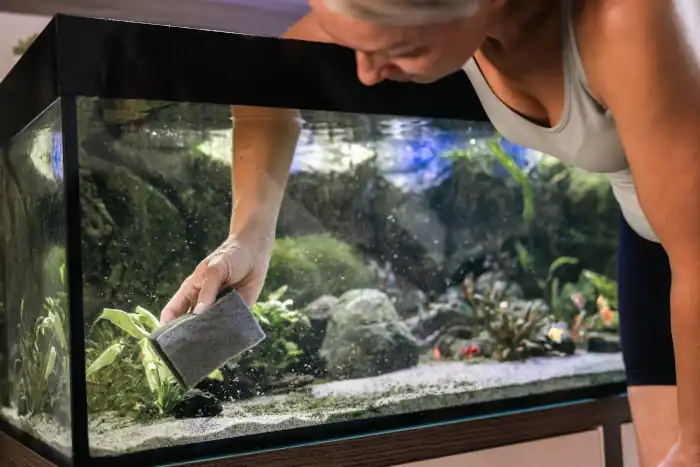
Water Quality: The Foundation of Long-Term Fish Health
The single most important aspect of maintaining fish health is keeping water clean, stable, and consistent. A tank may look crystal clear, but that doesn’t reflect ammonia, nitrite, nitrate, or pH fluctuations. Fish are incredibly sensitive to these invisible changes. Even small spikes can weaken their immune systems, opening the door to infections and parasites.
Performing regular partial water changes, using a reliable conditioner, and testing your tank often ensures a safe environment. Protecting your beneficial bacteria—your biological filter—is essential because they break down toxic waste. Newly set-up tanks are especially vulnerable to ammonia issues, a situation many hobbyists refer to as New Tank Syndrome. During this period, fish can easily succumb to stress or illness.
Good filtration, careful feeding, and avoiding overcrowding are the three core habits that build a stable and healthy aquarium environment.
The Power of Quarantine: Your Best Prevention Tool
Many new fish owners overlook the value of a quarantine tank, but it is truly one of the most effective ways to prevent disease. New fish often carry parasites or mild infections from travel and shipping. A simple two- to four-week quarantine period allows you to observe behavior, monitor eating habits, and catch problems early before disease spreads to your main tank.
Keeping new fish isolated also allows you to administer preventive treatments without affecting healthy fish. It’s a small investment that pays off significantly in long-term protection.
Medication Mistakes to Avoid: Using Treatments Safely
Using aquarium medications can feel intimidating, but following a few important guidelines makes the process smoother. Always remove activated carbon from your filter before adding any medication, because the carbon will absorb and neutralize the treatment. Follow dosing instructions exactly—too much can harm your fish, and too little may allow disease to persist or become resistant.
Never mix medications unless explicitly directed by a veterinarian. Fish absorb chemicals differently than other pets, and combining treatments without guidance can lead to complications.
Above all, remember that checking with your veterinarian is the safest route any time symptoms worsen or you’re unsure what disease you’re dealing with. Professionals trained in aquatic health can provide clarity and prevent unnecessary losses.
A Gentle Comparison: Fish Health in the U.S. vs. the Rest of the World
In the United States, fish keepers benefit from wide access to high-quality aquarium products, medications, and professional guidance. Local fish stores, online retailers, and veterinary specialists offer support that helps hobbyists respond quickly to health problems.
In many other parts of the world, access to medication or advanced filtration systems may be more limited. Hobbyists often rely more heavily on natural remedies, traditional methods, or community-based knowledge. While passion for fishkeeping exists everywhere, the quality and range of resources differ greatly.
What unites aquarists globally is the commitment to caring for delicate life and creating a small thriving ecosystem, no matter where they live.

Take the Next Step for Your Fish’s Health
Your aquarium is a living world, and you are its guardian. The more you learn about fish health and disease, the better prepared you are to support your underwater community. If you’ve noticed unusual symptoms in your fish—changes in color, appetite, movement, or energy—don’t wait. Observation and early action save lives.
Take time today to check your water quality, review your feeding routine, and make sure your fish are swimming comfortably. If something feels off, trust that instinct and explore further. Your fish rely on you, and with knowledge, attention, and care, you can keep their world peaceful, healthy, and bright.
Product Tips
-
Pet Deep Sleep Small Dog Cat Bed Washable Removable
Original price was: $24.38.$7.56Current price is: $7.56. -
Rabbit Hanging Rodent Hay Bag Feeder Small Pet Supply
Original price was: $12.62.$6.05Current price is: $6.05.



Disclosure: This site participates in various affiliate programs, including Amazon Services LLC Associates, eBay Partner Network, AliExpress Affiliate Program, and others. This means we may earn a commission on qualifying purchases made through links on this site, at no additional cost to you.
New Posts
- Hope Beyond Roadkill: Protecting Wildlife on Modern Roads

- Sacred Bonds of Love; Blessing of the Animals

- Wildlife Hopeful Paths for Nature’s Future

- Marine life parks: Living Wonders of the Sea
Categories
Tags
animal conservation animal protection animal welfare cat grooming tips cat mental health Cats Health cat training dog behavior dog grooming Dog travel tips farm animal care farm animals farmyard animals Rabbit Care Tips working animals

Share: