
The Magnificent World of Aquatic Animals: Life Beneath the Surface
Discovering the Magnificent Life of Aquatic Animals
Aquatic animals are some of the most fascinating creatures on Earth. Whether they live in oceans, rivers, lakes, or wetlands, these animals have unique features that help them survive in watery worlds. From gills that help them breathe underwater to webbed feet and blubber that keep them moving and warm, every aquatic animal has a special story to tell.
Let’s take a deep dive (pun intended) into the awesome lives of aquatic animals, from familiar fish to mysterious deep-sea creatures—and explore how sea animal rescue, conservation, and protection are making a difference around the world.
What Are Aquatic Animals?
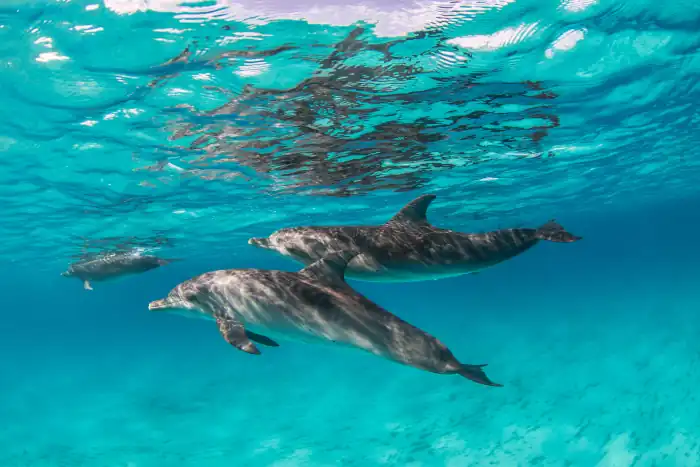
Aquatic animals are animals that live in water for most or all of their lives, and that water can be freshwater (like lakes and rivers) or saltwater (like oceans and seas). From tiny plankton to giant blue whales, aquatic animals come in all shapes and sizes.
There are two main categories of aquatic environments:
- Freshwater animals: Found in rivers, lakes, ponds, and wetlands (e.g., frogs, beavers, catfish).
- Marine animals: Found in oceans and seas (e.g., dolphins, jellyfish, sea turtles).
They include:
- Fish (clownfish, salmon, sharks)
- Marine mammals (whales, dolphins, seals)
- Amphibians (frogs, salamanders)
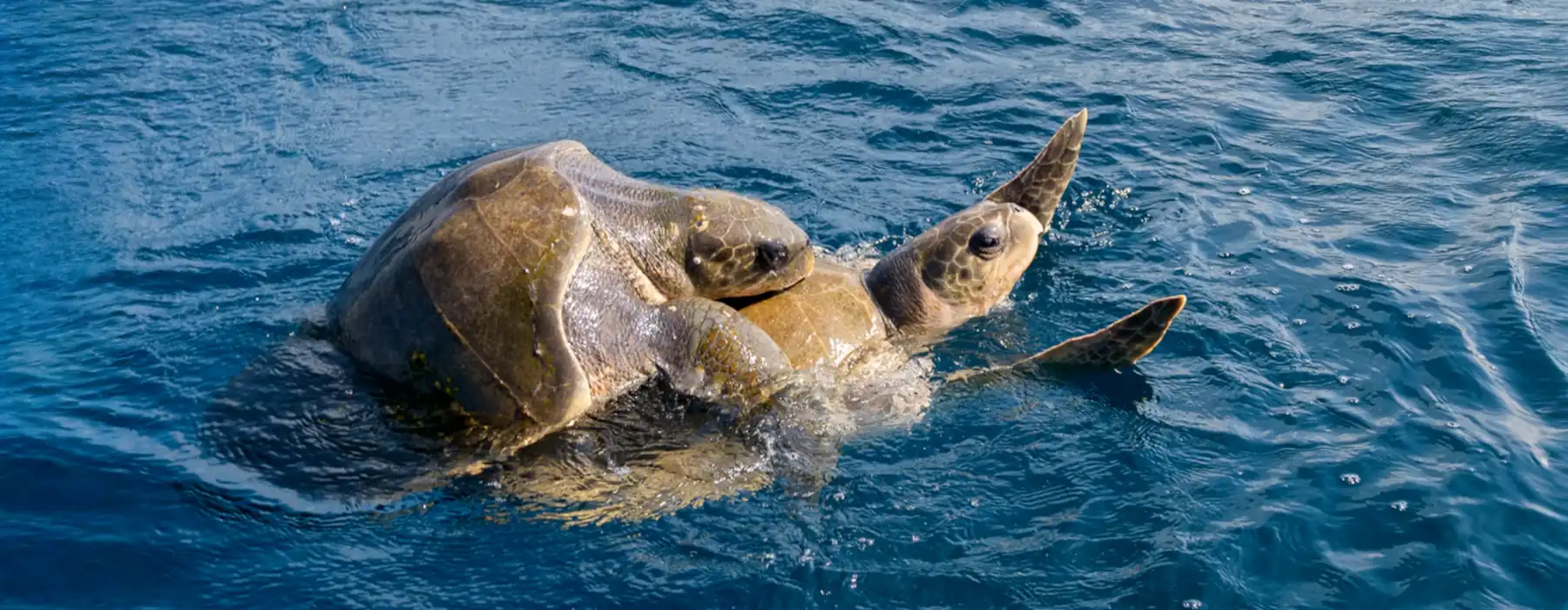
- Reptiles (sea turtles, water snakes)
- Invertebrates (jellyfish, starfish, crabs)
Each group has magnificent adaptations that help them survive underwater!
How Do Aquatic Animals Survive Underwater?
Aquatic animals have developed unique features to help them thrive in water-based environments. Let’s look at some cool examples:
Gills : Fish and some amphibians breathe using gills, which extract oxygen directly from the water.
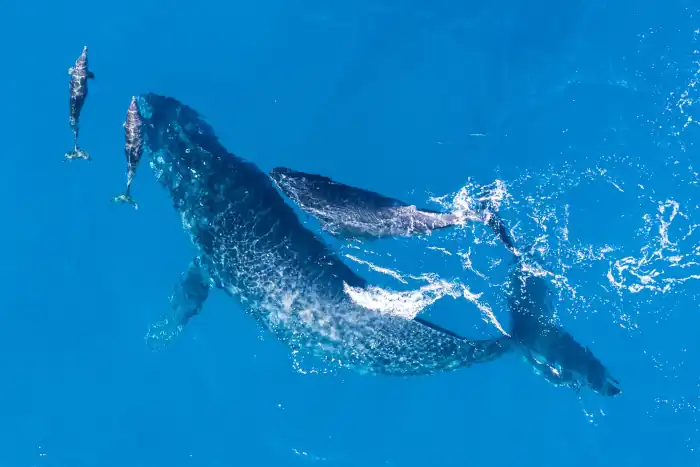
Lungs : Marine mammals like dolphins and whales breathe air with lungs. They must swim to the surface regularly to breathe.
Fins and Tails : Fins and tails help aquatic animals steer, balance, and propel through water.
Webbed Feet : Animals like ducks and otters have webbed feet that act like paddles.
Blubber : Sea animals like seals and whales have a thick layer of fat called blubber to stay warm in icy waters.
How Many Aquatic Animals Exist?
The exact number is hard to count, but scientists estimate that there are millions of aquatic animal species—and we haven’t discovered them all!
Some of the most mysterious species are found in the deep sea, a place so unexplored it’s often compared to outer space. From glowing jellyfish to giant squid, deep-sea creatures look like something from a sci-fi movie!
So if you’ve ever wondered how many animals live in waters, the real answer is: we’re still discovering them.
Types of Aquatic Animals: From Familiar to Fantastic
Let’s break down the different types of aquatic animals and what makes them special.
Fish : These are the most well-known aquatic animals. From clownfish in coral reefs to sharks in the open ocean, fish are everywhere.
Marine Mammals: This group includes:
- Whales
- Dolphins
- Seals
- Manatees
They breathe air, give birth to live young, and are super intelligent.
Invertebrates : They don’t have backbones and include:
- Jellyfish
- Octopuses
- Crabs
- Sea urchins
Amphibians & Reptiles : Some amphibians (like frogs) and reptiles (like sea turtles) live in or near water, especially during their early life stages.
Deep Sea Creatures
These are the mystery animals of the ocean, living in total darkness with wild adaptations like bioluminescence (they glow!).
Meet the Sea Creatures: From Common to Mysterious
You’ve probably seen plenty of sea creatures like dolphins, sharks, or clownfish in movies or aquariums. But there’s a whole sea mammals list that goes beyond that: whales, manatees, sea lions, seals, porpoises—and each has its own behaviors, diets, and sounds.
The ocean is home to creatures of every shape and size, from tiny plankton to giant blue whales, and don’t forget about all the squishy ones like jellyfish and octopuses. Some invertebrates even live in coral reefs, which are like underwater cities!
Aquatic Animals Need Our Help
Despite their beauty and importance, many aquatic animals are in danger, and pollution, overfishing, oil spills, and climate change are just a few of the threats they face. But there’s hope—thanks to sea animal rescue and conservation efforts around the world.
🐢 Common Threats to Aquatic Life
- Plastic pollution
- Habitat loss
- Climate change
- Oil spills
- Ghost fishing nets
🌿 How We Help
- Sea animal rescue teams save injured marine animals.
- Sea animal sanctuaries offer protected environments.
- Laws like the U.S. Marine Mammal Protection Act help stop cruelty and overexploitation.
- Sea animal reserves and marine parks give sea creatures a place to thrive without human threats.
Sea Animal Conservation: A Global Responsibility
Conservation means actively protecting aquatic species and their environments. It’s not just about saving whales—it’s about keeping the balance of life in oceans and rivers.
Global Conservation Projects
- The Great Barrier Reef in Australia
- Marine protected areas (MPAs) worldwide
- Coral reef restoration programs
What’s Happening in the U.S.?
The United States has made strong efforts to protect aquatic life, with:
- National Marine Sanctuaries
- Ocean cleanup projects
- Sea turtle nesting protections
- Rescue centers and aquariums are working to educate and rehabilitate animals
Compared to some countries, the U.S. is doing a decent job—but more can be done, especially with everyday public support.
Aquatic Animals and Their Rights: Why It Matters
Just like land animals, aquatic animals deserve care and respect, and sea animal rights movements are growing, promoting better treatment of marine creatures in zoos, aquariums, and the fishing industries. The idea is simple: treat these magnificent beings kindly and with compassion.
If you’re passionate about this, you can support groups that fight for sea animal protection or join campaigns that push for cleaner oceans (AFFILIATE LINK). Even small actions like using less plastic or choosing sustainable seafood can make a huge difference.
Why Aquatic Animals Matter
Aquatic animals do more than just look magnificent—they’re essential to the health of the planet. Here’s why:
- Oceans produce over 50% of the oxygen we breathe
- Aquatic animals support the food chain
- Coral reefs (home to many aquatic animals) protect coastlines
- Marine life fuels tourism, food industries, and culture
When aquatic animals suffer, so does the entire ecosystem—including us.
Most Endangered Aquatic Animals
Endangered Sea Creatures: What’s at Risk?
Sadly, not all aquatic animals are safe, and many are endangered due to human actions, so what is the most endangered sea creature? One heartbreaking example is the vaquita, a tiny porpoise from Mexico’s Gulf of California, and there are fewer than a dozen left in the wild.
Others include certain sea turtles, sharks, and coral species. Overfishing, pollution, and warming oceans put their lives at risk. This makes sea animal conservation not just a good cause—but a global priority.
Wondering what the most endangered sea creature is? Here are some animals on the brink:
- Vaquita – a tiny porpoise found in Mexico, with only about 10 left
- Sea turtles – threatened by plastic and beach development
- Blue whales – once heavily hunted, still recovering
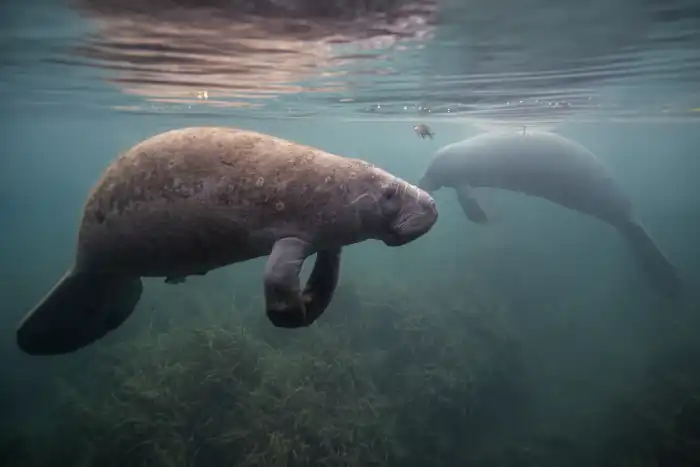
- Manatees – often injured by boats and habitat loss
How You Can Help Aquatic Animals
You don’t need to be a marine biologist to make a difference. Here are small ways you can support sea animal protection and conservation:
Simple Steps
- Use marine-safe sunscreen (AFFILIATE LINK)
- Reduce plastic use
- Never release pets or goldfish into wild waters
- Support a sea animal rescue center
- Buy eco-friendly, ocean-safe products (AFFILIATE LINK)
Every little action counts. Even sharing this article can help spread awareness.
Final Thoughts: Let’s Keep the Oceans Alive
Aquatic animals are more than just ocean decorations—they’re a vital part of life on Earth. From playful dolphins to strange deep-sea monsters, their lives are fascinating, important, and worth protecting.
By learning about aquatic animals, sharing knowledge, and making better choices, we can be part of the solution. Whether it’s protecting a sea turtle’s nest or switching to reusable water bottles, the ripple effects can be huge.
So go ahead—dive in, get involved, and help protect the magnificent world of aquatic animals.
Curated Suggestions for products and More.
Be a Voice for the Ocean. Ready to support sea animal protection? Start small—share this article, learn more about rescue centers near you, or explore eco-friendly products that help the ocean (AFFILIATE LINK). You don’t have to be a marine biologist to make a difference.
The ocean is calling—let’s answer with action.
Product Tips
-
10pcs Sisal Cat Ball Teasing Sound Bell Ball Solid Colored
Original price was: $11.49.$4.02Current price is: $4.02. -
Dog Cat Mat Easy Clean Food Water Absorbent Pet Feeding
Original price was: $14.68.$7.19Current price is: $7.19. -
Large Orthopedic Dog Bed Memory Foam Pet Couch Waterproof
Original price was: $138.78.$35.97Current price is: $35.97.




Disclosure: This site participates in various affiliate programs, including Amazon Services LLC Associates, eBay Partner Network, AliExpress Affiliate Program, and others. This means we may earn a commission on qualifying purchases made through links on this site, at no additional cost to you.
New Posts
- Hope Beyond Roadkill: Protecting Wildlife on Modern Roads

- Sacred Bonds of Love; Blessing of the Animals

- Wildlife Hopeful Paths for Nature’s Future

- Marine life parks: Living Wonders of the Sea
Categories
Tags
animal conservation animal protection animal welfare cat grooming tips cat mental health Cats Health cat training dog behavior dog grooming Dog travel tips farm animal care farm animals farmyard animals Rabbit Care Tips working animals
Share: