

Turtle Health Care Made Easy: Build a Happy, Healthy Aquatic Home
Turtle Health Care for a Happy and Balanced Tank
When you bring a turtle into your life, you’re not just adding a quiet companion; you’re creating an entire ecosystem, and a turtle’s environment isn’t just a tank; it’s a ratio of water, heat, and light that directly affects its well-being. In the world of turtle health care, the habitat you build determines whether your shelled friend thrives or struggles; therefore, think of it as creating a mini planet where every detail temperature, cleanliness, and light work in harmony to keep your reptile strong and healthy.
The Health Connection: Why the Tank Is Everything
It’s tempting to think of a turtle tank as a decorative aquarium, but still, it’s really a living system that influences every part of your turtle’s health, where a clean, warm, well-lit environment mimics the natural rhythm turtles depend on for digestion, shell growth, and even mood regulation. Poor turtle health care often begins with a neglected tank setup dirty water, weak light, or inconsistent heat, and quickly leads to common problems like shell rot, respiratory infections, and lethargy.
In simple terms: when the tank is off-balance, your turtle’s body is too.
A perfect setup doesn’t have to be complicated it just needs to be consistent, clean, and aligned with nature.
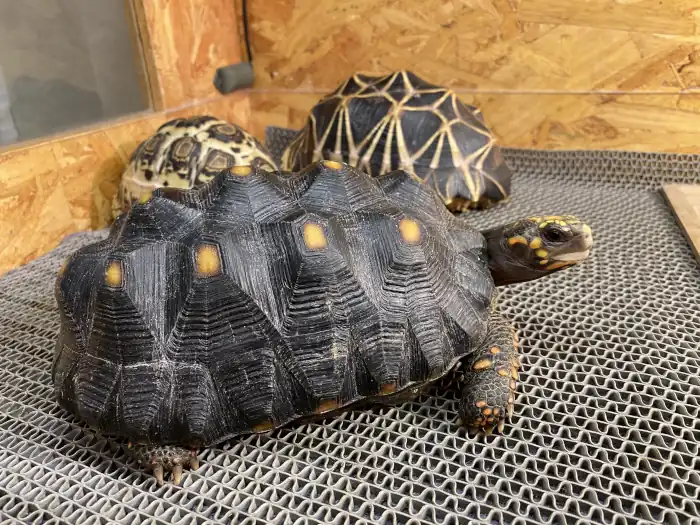
The Essential Components: The Non-Negotiables for Turtle Health
Every successful aquatic turtle home starts with the right foundation, and you can think of these essentials as your turtle’s survival kit: space, filtration, heat, and light. If any of these are missing or poorly set up, your turtle’s immune system can’t function properly.
Tank Size:
Here’s a good rule of thumb that’s backed by experienced keepers and reptile vets: allow 10 gallons of water per inch of shell, because a small tank restricts movement and dirties faster, creating an unhealthy environment. A bigger tank not only gives your turtle room to swim but also makes maintaining stable water conditions easier.
Filtration:
Turtles are messy because even a single turtle produces far more waste than most fish, so a strong water filter isn’t optional; it’s essential, and you’ve got to choose a filter that’s rated for twice the size of your tank. This helps remove ammonia and bacteria that can harm your turtle’s shell and skin, and a well-filtered tank reduces odor and keeps water crystal clear, directly improving your turtle’s health and comfort.
The Two Lifelines: Heat and Light
Every turtle depends on two invisible forces that often go overlooked: heat and light, and without them, digestion slows, the shell weakens, and the immune system collapses. Together, they form the core of turtle health care.
Basking Heat Lamp:
Turtles need a warm basking spot to dry off, digest food, and regulate their internal temperature, and the basking area should reach around 90°F (32°C) while the water stays between 75–80°F (24–27°C) for most species. This gradient allows your turtle to move between temperatures, just as it would under the sun in the wild, and without proper heat, turtles often refuse to eat and may develop soft shells.
UVB Light:
If there’s one thing you never want to skip, it’s UVB lighting, because this special light helps your turtle synthesize Vitamin D3, which allows it to absorb calcium the key ingredient for strong bones and shells. Without UVB, turtles develop metabolic bone disease, a painful and often irreversible condition, and you have to replace UVB bulbs every 6–12 months, even if they still shine, because their invisible rays fade over time.
Proper heat and UVB lighting together create a balanced rhythm that keeps your turtle’s metabolism and shell health stable year-round.

- Fluker's Aquatic Turtle Food, Vitamin, Enriched Medley Treats of Freeze,…
- Tetra TetraFauna PRO ReptoMin Pro Sticks Adult Turtle Formula Daily Diet for…
- 2oz Freeze-Dried Grasshoppers – Nutritious Reptile & Amphibian Food for High…
- Fluker's Flukers 70131 Buffet Blend Aquatic Formula Turtle Food, 12oz
- Tetra ReptoMin Floating Food Sticks, Food for Aquatic Turtles, Newts and…
Setup Steps Made Simple: Building the Perfect Aquatic Home
Creating a healthy turtle habitat doesn’t have to feel like a science experiment, but think of it as setting up a peaceful aquatic world where each element plays its part. The best approach is slow, steady, and clean.
Start by choosing a sturdy tank glass or acrylic placed in a quiet, stable-temperature room, and once the tank is in position, install the filter system and let it run before adding your turtle. Add dechlorinated water at the right depth enough for swimming but not so deep that your turtle struggles to surface.
Next, position a basking dock or floating platform where your turtle can climb completely out of the water. Above it, install both the basking lamp and UVB light, keeping a safe distance to avoid overheating, and use a digital thermometer to monitor temperatures both in the water and on the basking area.
Once the equipment is set, test everything for 24 hours before adding your turtle. Watch the temperature fluctuations and ensure the water remains clear, and over time, this careful start saves you countless headaches and keeps your turtle’s environment perfectly stable.
A good turtle health care routine includes small, regular maintenance tasks: partial water changes every week, filter cleaning every two weeks, and checking bulb function monthly. When you treat the tank like a living environment, your turtle will reward you with vibrant colors, active behavior, and years of healthy life.
Clean, Safe, and Perfect: The Maintenance Mindset
A turtle’s health depends on daily consistency more than expensive gear. Regular care prevents nearly every major illness that affects captive turtles. Clean water stops bacterial infections, proper lighting prevents soft shells, and warmth keeps digestion running smoothly.
If your turtle starts showing unusual behavior refusing food, basking excessively, or floating unevenly, it’s often a sign of environmental imbalance, not just illness; therefore, always check your water quality, temperature, and lighting schedule before assuming something’s medically wrong. Small tweaks to your setup can make a huge difference in your turtle’s recovery and overall vitality.
Remember, turtle health care is about prevention, not reaction. By keeping the tank clean and conditions steady, you’re doing 90% of the work that keeps your reptile strong and happy.
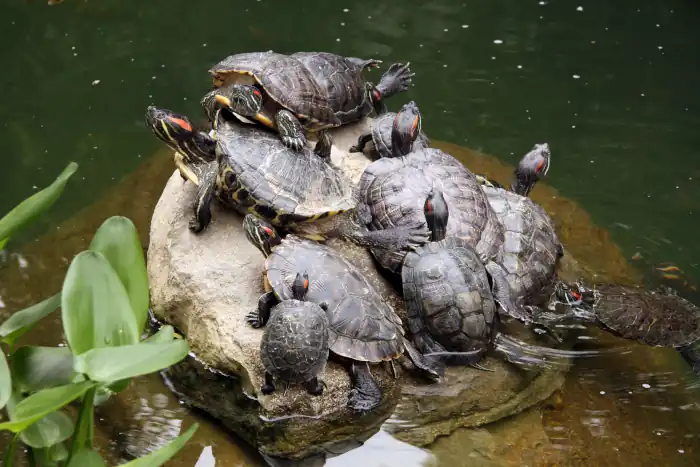
A Global Reflection: U.S. vs. The Rest of the World
In the U.S., turtle health care often focuses on technology and precision filters, UVB meters, digital thermometers, and automatic timers. This scientific approach ensures control and consistency, which is great for first-time owners, while in other parts of the world, particularly in tropical regions, turtle care leans more on natural methods sunlight exposure, outdoor ponds, and rainwater systems.
Both approaches share the same heart: creating a space that mimics nature. The difference is in style Americans often build “perfect systems,” while others rely on “natural harmony.” Whichever path you follow, the goal remains the same: to keep your turtle’s small world clean, warm, and alive.
Consideration: Build the World Your Turtle Deserves
Your turtle depends on you to recreate the world it once knew: sunlight, clean water, and warmth, and when you invest in proper turtle health care, you’re not just setting up a tank; you’re building a sanctuary. Take a few minutes today to check your setup and see if your filter is strong enough, or if your light bulbs are up to date, because small steps today create years of health and happiness tomorrow.
Build it right. Keep it clean. Watch your turtle thrive.
Product Tips
-
Electrostatic Brush Pet Hair Remover Roller Pet Hair Remover
Original price was: $13.39.$4.69Current price is: $4.69.



Disclosure: This site participates in various affiliate programs, including Amazon Services LLC Associates, eBay Partner Network, AliExpress Affiliate Program, and others. This means we may earn a commission on qualifying purchases made through links on this site, at no additional cost to you.
New Posts
- Hope Beyond Roadkill: Protecting Wildlife on Modern Roads

- Sacred Bonds of Love; Blessing of the Animals

- Wildlife Hopeful Paths for Nature’s Future

- Marine life parks: Living Wonders of the Sea

Categories
Tags
animal conservation animal protection animal welfare cat grooming tips cat mental health Cats Health cat training dog behavior dog grooming Dog travel tips farm animal care farm animals farmyard animals Rabbit Care Tips working animals
Share: