
Discover the Beauty of a Wildlife Sanctuary
Why Wildlife Sanctuaries Matter Now More Than Ever
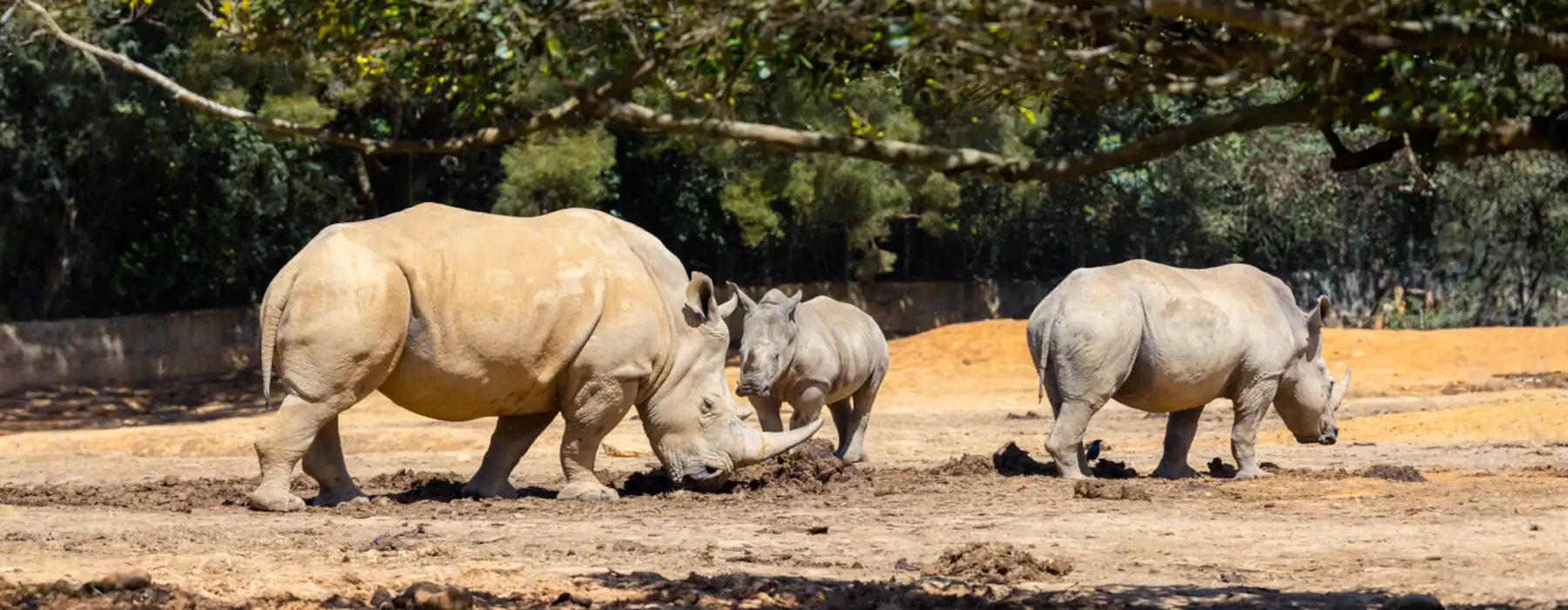
Have you ever dreamed of a place where animals roam free, safe from harm, and live their best lives surrounded by nature, that’s exactly what a wildlife sanctuary is. It’s a peaceful space built just for wild animals that need protection, care, and sometimes, a second chance at life, and whether it’s a massive forest or a quiet corner in your backyard, the goal is the same: to let animals be wild, happy, and safe.
What Makes a Wildlife Sanctuary So Special?
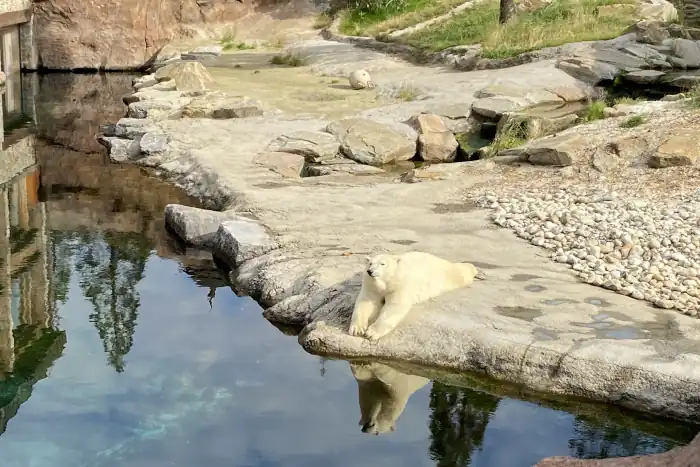
When we talk about a wildlife sanctuary, we’re talking about more than just land; but it’s a place with a mission. These sanctuaries are designed to protect animals from threats like habitat destruction, illegal hunting, pollution, and climate change. They also help animals who are sick, injured, or even rescued from awful places like roadside zoos or illegal pet trades.
What’s cool is that each sanctuary has different wildlife sanctuary requirements. Some focus on giving animals a forever home where they’ll never be released. Others focus on healing them through wildlife rescue and letting them return to the wild when they’re ready.
From Rescue to Refuge: The Heart Behind Every Sanctuary
There’s a big difference between a zoo and a sanctuary. While zoos are often for entertainment, sanctuaries are all about the animals. A true wildlife refuge or wildlife shelter doesn’t breed animals, sell them, or make them perform. It exists to help animals live freely and safely.
Many animals in sanctuaries were once in terrible situations. Think of bears rescued from circuses or birds saved from smuggling. Thanks to wildlife organizations, they now have places to recover emotionally and physically.
How to Make a Wildlife Sanctuary (Even in Small Spaces!)
You don’t need a giant forest to support animals. Learning how to make a wildlife sanctuary in your own space is totally possible. Plant native trees, avoid using pesticides, and build little shelters using logs and stones. Even a birdbath or a butterfly garden can make a difference.
Some teens in the U.S. are even turning their backyards into mini wildlife reserves. That’s right—creating a safe place for animals doesn’t always mean owning acres of land. It starts with compassion and action.
Healing and Hope: Wildlife Hospitals and Conservation
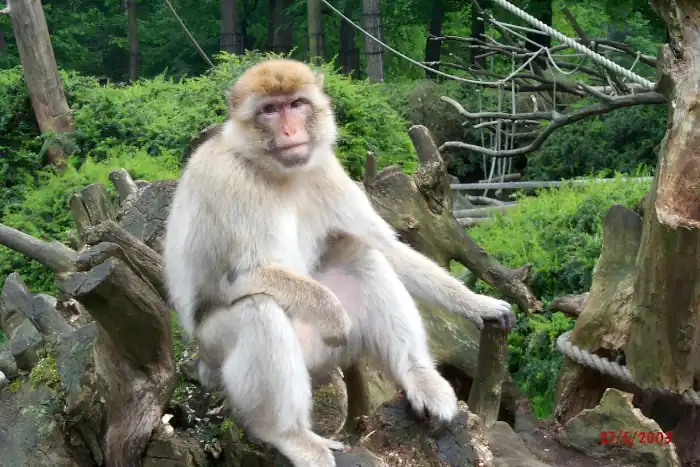
A huge part of protecting wild animals includes medical care, and wildlife hospitals are places where injured animals are treated before they return to the wild or move to a sanctuary. Think of it like an ER for animals.
These hospitals work hand-in-hand with wildlife conservation plans. Conservation isn’t just about saving animals one by one—it’s about saving entire species and making sure their habitats stay protected for future generations.
There are also wildlife action plans created at the state and federal levels. These plans outline what steps need to be taken to save endangered animals, keep ecosystems healthy, and promote ethical interactions with wildlife.
Parks, Protection, and the Power of Nature
America is home to some incredible wildlife parks like Yellowstone or the Everglades, and these places are wild, protected lands where animals live naturally and are part of bigger conservation strategies. But they’re not the only kind of sanctuary.
Smaller, privately owned wildlife sanctuaries are popping up across the country thanks to passionate people and dedicated wildlife organizations. They focus on animal welfare, environmental education, and even invite volunteers to help out.
The Global Picture vs The U.S. Approach
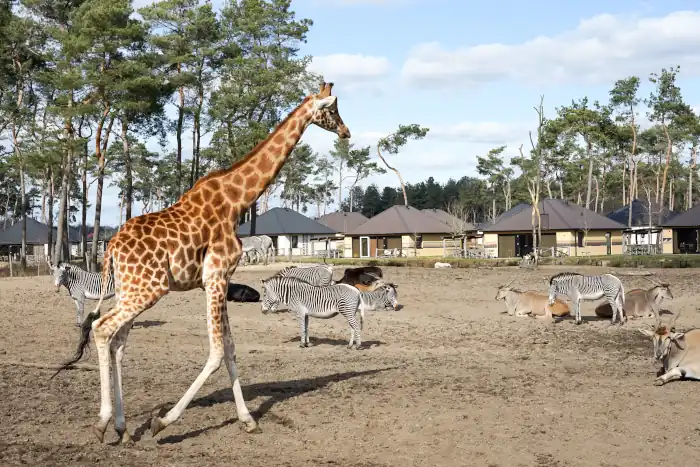
Let’s talk real for a second, around the world, amazing sanctuaries are doing brave work—like elephant sanctuaries in Thailand or orangutan rescues in Borneo. These places often face more extreme challenges due to a lack of funding or political support.
In the U.S., while there’s a growing network of strong wildlife sanctuaries, there’s still work to be done, and too many animals are still kept in poor conditions or face threats from road injuries, habitat loss, and illegal trade. Stronger laws, better education, and more support for wildlife conservation are key to protecting these animals.
Here’s the thing: whether you’re in California or Kenya, caring for animals means the same thing—kindness, commitment, and a promise to let wild creatures live wild.
Let’s Take Action—Together
Creating a better world for animals starts with us, and from visiting ethical sanctuaries to volunteering, donating, or even creating mini wildlife spaces at home, every step matters. By supporting wildlife shelters, promoting animal conservation, and spreading the word about ethical treatment, we’re giving animals a voice.
Final Considerations: U.S. vs Global Wildlife Efforts
Wildlife sanctuary efforts in the U.S. are strong but often localized. State parks and private nonprofits lead the way, offering safe spaces for animals and educating communities. But compared to global sanctuaries—where animals are often at greater risk from poaching or deforestation—U.S. sanctuaries have more resources but also face challenges like urban sprawl and policy loopholes.
The world is waking up to how important wildlife protection is, but there’s still a gap, and collaboration between countries, stronger wildlife action plans, and more youth involvement can make a massive difference. After all, it’s not just about animals—it’s about the kind of world we want to live in.
Ready to Make a Difference?
If this article inspired you, take the next step. Visit a local sanctuary. Adopt a wild animal virtually. Plant a tree. Support ethical wildlife groups, because every action—big or small—helps build a kinder, greener planet. Because animals deserve more than survival—they deserve freedom.
Product Tips
-
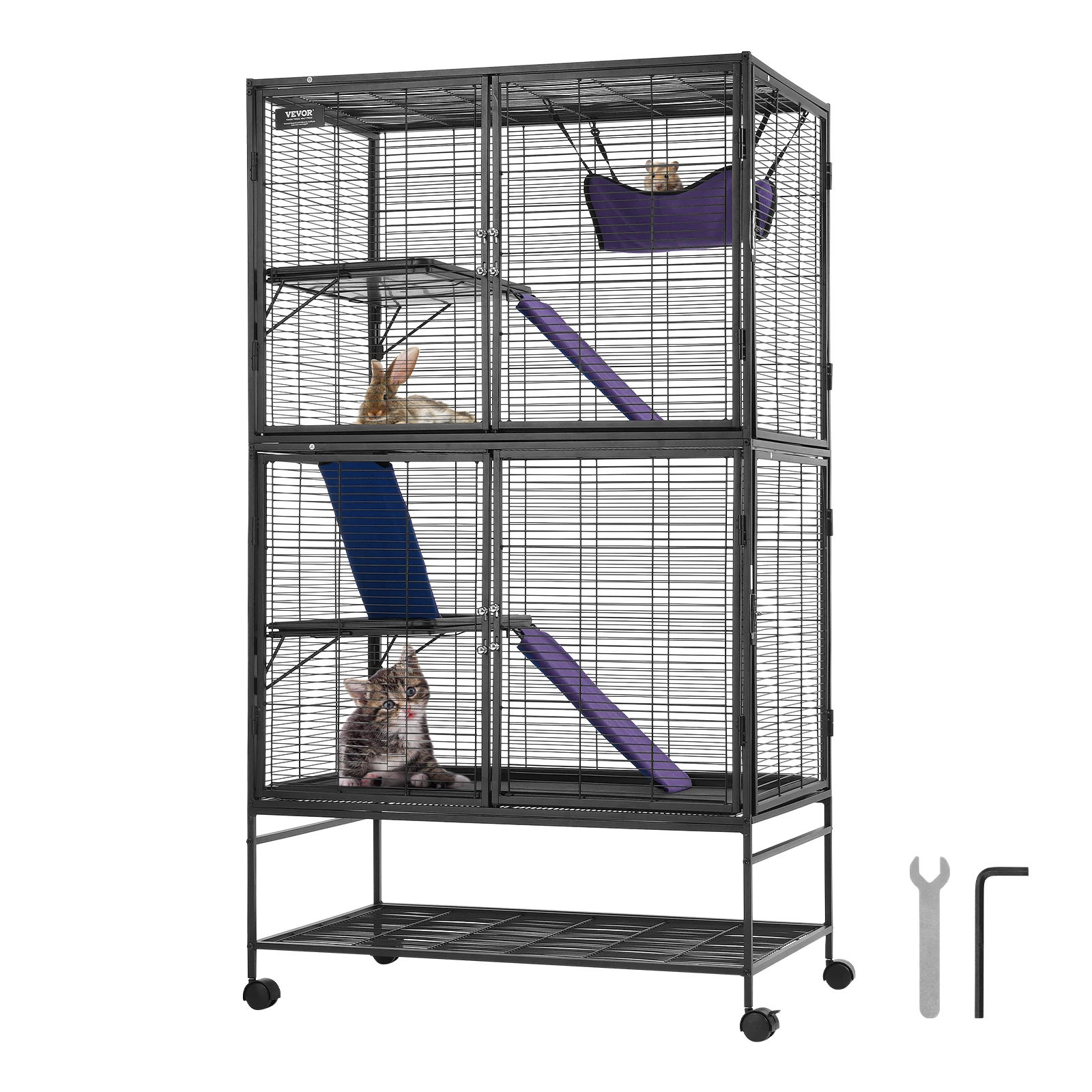
64.6″ Rolling Metal Ferret Cage Large 4-Tier Critter Nation
Original price was: $197.46.$55.61Current price is: $55.61.
Disclosure: This site participates in various affiliate programs, including Amazon Services LLC Associates, eBay Partner Network, AliExpress Affiliate Program, and others. This means we may earn a commission on qualifying purchases made through links on this site, at no additional cost to you.
New Posts
- Hope Beyond Roadkill: Protecting Wildlife on Modern Roads
- Sacred Bonds of Love; Blessing of the Animals
- Wildlife Hopeful Paths for Nature’s Future
- Marine life parks: Living Wonders of the Sea
Categories
Tags
animal conservation animal protection animal welfare cat grooming tips cat mental health Cats Health cat training dog behavior dog grooming Dog travel tips farm animal care farm animals farmyard animals Rabbit Care Tips working animals
Share: