

Help Your Pup Thrive: Understanding Dog Anxiety
Spotting the Emotional Clues: What Dog Anxiety Really Looks Like
Dog anxiety isn’t just about a few whimpers when you grab your keys. It can be a deep emotional struggle that your dog faces silently, sometimes every single day. The tricky part? Your dog may be stressed without you even knowing. That wagging tail or sleepy stare might be hiding something more serious. Learning to read the signs of anxiety in dogs you should notice early can make a huge difference in your pup’s happiness and health.
When dogs feel anxious, they show it through behavior. But unless we know what to look for, we can miss these clues. Think of it this way: humans talk about their stress, but dogs use body language, noises, and actions. And every dog speaks their own version of this emotional language.
Understanding the Heart Behind Dog Behavior
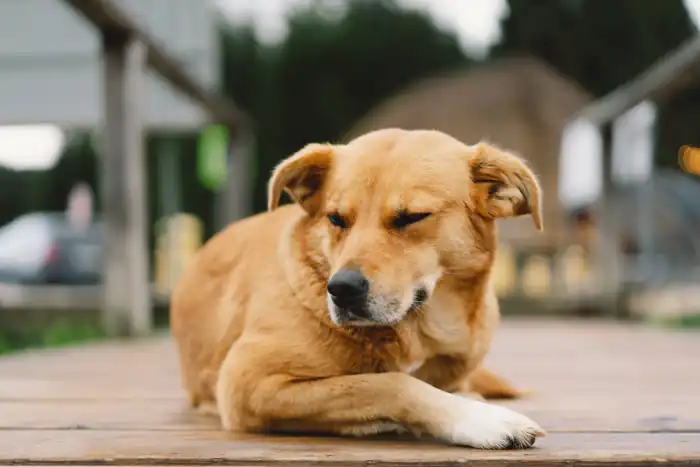
Before we dive into the dog anxiety signs you must notice early, let’s talk a bit about how dog behavior works. Dogs are creatures of habit, routine, and emotional bonding. They rely on their humans for comfort and safety, and when something disrupts that—like a move, a loud noise, or being left alone—it can throw off their sense of security.
Some dogs handle stress better than others. Others, especially rescues or sensitive breeds, might feel nervous more often. That’s where understanding how dogs show they’re feeling nervous becomes key; it’s not about punishing or ignoring—it’s about noticing, adjusting, and caring.
Emotional Signs Your Dog Might Be Feeling Nervous
Sometimes the most obvious signs are the ones we shrug off, and if your dog is suddenly pacing, whining, licking excessively, or even hiding, they’re probably trying to tell you something. Dog anxiety can pop up in different ways, and knowing how to spot them can help you step in early.
Some dogs chew shoes, dig in the yard, or bark at thin air—not because they’re naughty, but because they’re anxious, and dog anxiety signs like trembling, avoiding eye contact, or even yawning too much might not seem important at first, but they’re actually huge red flags. These behaviors are how dogs say, “I’m not okay.”
Your pup might be stressed if:
They follow you everywhere like a shadow and panic when you leave. They refuse food or become overly clingy. Or maybe they suddenly have accidents in the house, even though they’re well-trained. These are not just bad habits—they’re signs of anxiety in dogs you should notice.

Creating Calm: How to Help Your Pup Feel Safe at Home
If you’ve ever said, “My dog seems off today,” there’s a chance they’re experiencing dog anxiety. So, how can you make your home a safe, cozy space that helps your furry best friend relax?
One trick? Routine. Dogs love it. Regular walks, feeding times, and bedtime help your dog feel safe. Try to limit big changes when possible, and if something’s coming—like guests, fireworks, or a vet trip—help your dog get used to the idea slowly.
Another helpful idea is giving them a space of their own. A quiet room or crate with their favorite toys can work wonders. You can even try calming products like anxiety wraps, pheromone sprays, or supplements (AFFILIATE LINK) that promote relaxation.
Oh, and don’t underestimate the power of your own calm. Dogs pick up on our energy. If you’re stressed, they often mirror it. So when you’re calm, your pup feels more secure.
Your Dog Might Be Stressed Without You Knowing—Here’s How to Tell
The hardest part about dog anxiety is that it’s easy to miss. We might call a dog stubborn or spoiled when really they’re scared. And sometimes, those signs pop up when you’re not even home.
Has your dog scratched up the door while you were out? Torn up the couch cushions? Or do you come home to find them panting, even though it’s not hot? Separation anxiety is real—and a major part of dog anxiety.
Even more subtle signs can include excessive drooling, refusal to play, or just a weird vibe in their body language. It’s like they want to relax but can’t.
Here’s What You Can Do to Support a Nervous Pup
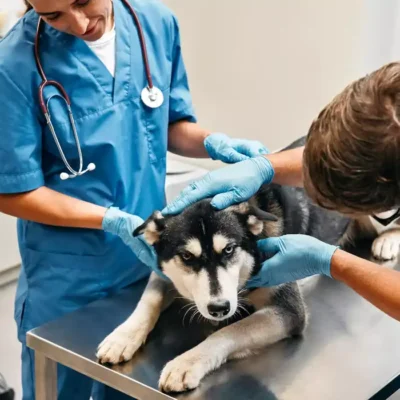
Being there for your dog doesn’t mean fixing everything overnight; it’s about building trust, showing patience, and sometimes getting professional help. If your dog’s anxiety is intense, a vet or trainer who specializes in canine behavior can offer personalized advice.
You can also explore training routines that boost confidence—like agility or scent games. And don’t forget about interactive toys or calming music designed for pets (AFFILIATE LINK). Little steps go a long way.
And maybe most importantly, never punish your dog for being anxious. That will only make things worse. Instead, reward calm behavior, show affection when they’re doing well, and slowly work together to create an environment where they feel okay.
Final Thoughts: Why Understanding Dog Anxiety Matters Globally
Dog anxiety isn’t just an American issue; it’s something that dogs experience worldwide, but in the U.S., pet parents are becoming more aware, more educated, and more proactive. There’s a growing push toward treating pets as family, which means their mental health matters just as much as physical health.
In some parts of the world, dog behavior issues are misunderstood or ignored, and many anxious dogs go untreated, but in the U.S., we have access to more resources, training support, and awareness campaigns. That puts us in a great position to lead by example, showing how early recognition and kindness can transform a stressed dog’s life.
If you’re noticing dog anxiety signs, you must notice early, take them seriously, and be the human your dog needs. Because every dog deserves to feel calm, loved, and safe—no matter where they live.
Curated Product Suggestions and More.
Make Your Dog’s Mental Health a Priority. Your pup’s behavior is their way of speaking to you. Don’t ignore those signs. If you’ve noticed anything unusual, start by observing, then try calming aids (AFFILIATE LINK), or speak to your vet. Together, you can help your dog feel better. They’re counting on you.
Product Tips
-
Electrostatic Brush Hair Remover Pets Hair Cleaner Hair Reusable
Original price was: $2.71.$2.21Current price is: $2.21.



Disclosure: This site participates in various affiliate programs, including Amazon Services LLC Associates, eBay Partner Network, AliExpress Affiliate Program, and others. This means we may earn a commission on qualifying purchases made through links on this site, at no additional cost to you.
New Posts
- The Fascinating World of Exotic Pets You Can Legally Own

- Pet Environment Safety: A Happier, Greener Life for Animals and People

- The Exciting World of Reptile Spring Awakening

- The Joyful Return of Wings: Understanding Butterfly Spring Reproduction

Categories
Tags
animal conservation animal protection animal welfare cat grooming tips cat mental health Cats Health cat training dog behavior dog grooming Dog travel tips farm animal care farm animals farmyard animals Rabbit Care Tips working animals

Share: