
The Fascinating Rhythm of Life Beneath the Waves
The sea animals mating season is one of the most fascinating cycles in the natural world. Many people imagine that ocean life follows a single schedule, with creatures reproducing when spring arrives and the waters warm. Yet the reality is far more complex and beautiful. Across oceans, coasts, reefs, and icy seas, different species follow unique timelines shaped by environment, survival strategies, and evolutionary history.
It is a common misconception that the entire ocean “wakes up” to mate in March. While the annual spring phytoplankton bloom does create a massive feast that supports new life, the sea animals mating season is actually a staggered and carefully timed process. This diversity helps reduce competition and gives young animals the best chance to survive in a vast but challenging environment.
Understanding the sea animals mating season helps us appreciate the delicate balance of marine ecosystems and the hidden rhythms guiding life beneath the waves. From fish spawning in coastal shallows to whales migrating across entire oceans, reproduction is a story of timing, adaptation, and resilience.
Why the sea animals mating season is more complex than you think
When people think about the sea animals mating season, they often picture springtime activity. In many regions, warming water and longer days do trigger reproductive cycles. However, the ocean is not a single uniform environment. Tropical reefs, polar seas, deep waters, and temperate coasts all operate differently, creating diverse breeding patterns.
The spring phytoplankton bloom plays a major role in many marine ecosystems. As microscopic plants flourish, they feed small creatures that in turn support fish, mammals, and birds. This burst of productivity encourages some species to reproduce during spring. But for others, mating outside the peak season helps avoid overcrowding and competition.
Because of these differences, the sea animals mating season should be seen not as one event but as a continuous global cycle. Every month somewhere in the ocean, new life begins.
The Spring Surge (March – June)
Coastal spawners and the magic of shallow waters
During the spring surge, the sea animals mating season becomes highly visible in coastal areas. Species like grunion and cuttlefish move closer to shore, drawn by warmer water and rich feeding grounds. Cuttlefish search for seaweed and underwater structures where they can anchor their distinctive egg clusters, sometimes called “sea grapes.”
In Southern California, grunion create one of the most unusual scenes of the sea animals mating season by leaping onto beaches to spawn in the sand. These synchronized events depend on tides, lunar cycles, and temperature changes. Such behaviors show how precise and carefully timed reproduction can be in marine life.
The Arctic cycle and icy courtship
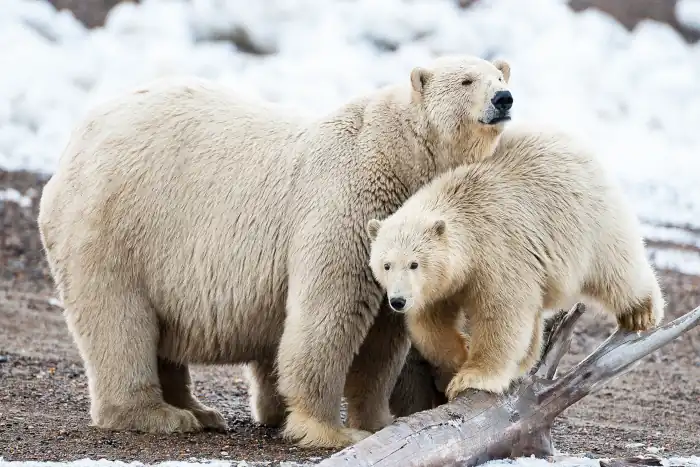
Farther north, the sea animals mating season unfolds in cold, icy conditions. Harbor seals begin their pupping season as spring approaches, followed soon after by another breeding cycle. Polar bears, though not fully marine animals, rely heavily on sea ice and often mate during the Arctic spring when conditions allow them to travel and find partners.
These examples remind us that the sea animals mating season does not require warm tropical water. In fact, some species thrive in cold environments where seasonal changes create predictable opportunities for raising young.
The great migration and whale journeys
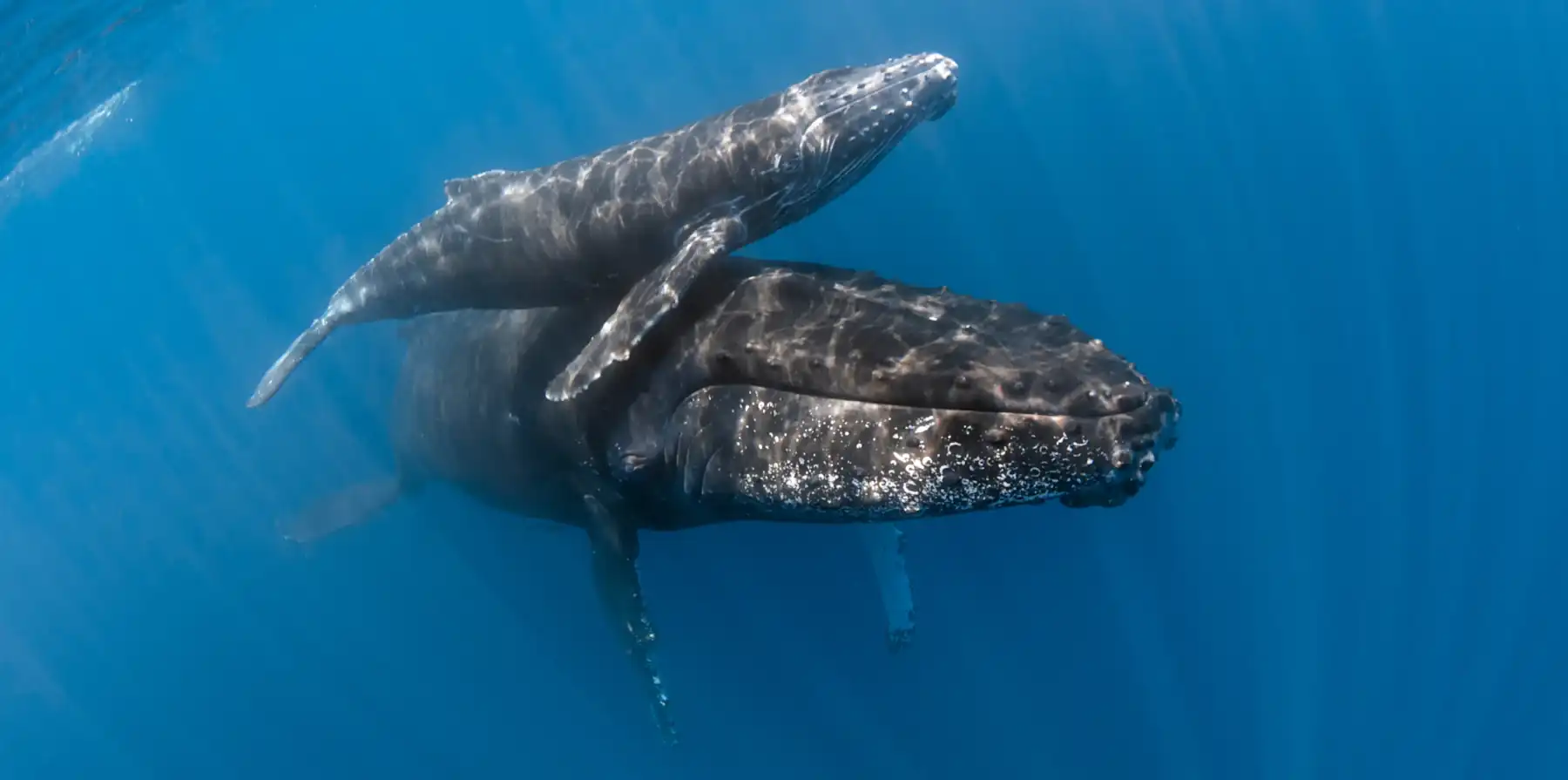
Many people assume that whales mate during spring migrations, but humpback whales usually finish their breeding season during winter in tropical waters. By spring, they are often heading back to nutrient-rich feeding grounds with newborn calves. Even though mating might not occur at that time, migration is still a key part of the broader sea animals mating season because it connects breeding areas with feeding habitats essential for survival.
The “Non-Spring” Outliers
Winter specialists and dramatic gatherings
Not all creatures participate in a spring-centered sea animals mating season. Some species reproduce during winter when fewer competitors are present. Nassau groupers gather in massive spawning aggregations during full moons in December and January. These spectacular events involve thousands of fish releasing eggs and sperm into the water simultaneously.
Northern elephant seals also choose winter beaches for their breeding season. Males battle fiercely for dominance while females give birth and mate again before returning to sea. These intense behaviors highlight how the sea animals mating season can look completely different depending on the species involved.
Summer peaks and warm-water colonies
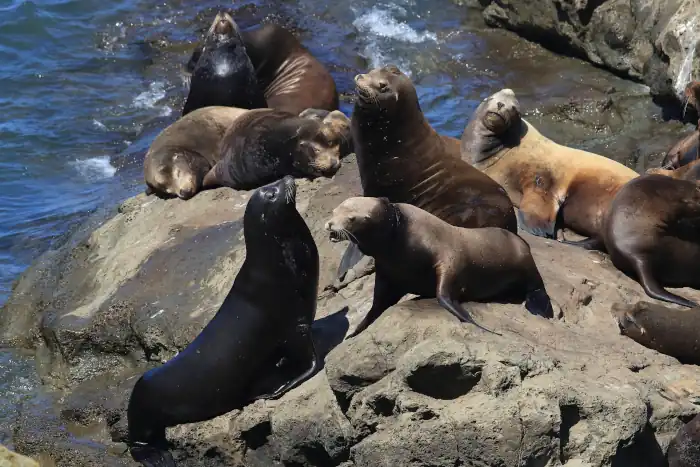
In contrast, some marine mammals prefer the warmth of summer. California sea lions establish rookeries and begin mating in late June and July. The timing ensures that pups are born when weather conditions are favorable and food is plentiful. For these animals, the sea animals mating season is aligned with seasonal abundance rather than early spring changes.
Tropical and deep-sea life year-round
In tropical regions and the deep ocean, seasonal differences are less dramatic. Without strong shifts in temperature or daylight, certain species reproduce throughout the year. Coral reef fish, deep-sea invertebrates, and other organisms may mate whenever energy reserves allow. This continuous pattern adds another layer to the global sea animals mating season, demonstrating that reproduction in the ocean is always happening somewhere.
- Zilla Jungle Mix 24 Quart
- 1-24 of over 1,000 results for "turtle food"
- 1-48 of over 1,000 results for "parrot pellets"
- 1-24 of over 1,000 results for "turtle food"
- 1-48 of 144 results for "brine shrimp eggs"
- KOIKA FINN Probiotic Fish Food Pellets for Ornamental Fish, 43% Protein with…
- Aquatic Foods Inc. Brine Shrimp Powder-Small Bits Fry & Baby Food, for…
- Aquatic Foods Inc. Spirulina Enriched Calcium Feeders for Shrimp, Snails,…
Why timing varies: the strategy of survival
Photoperiod and the power of daylight
Changes in day length, known as photoperiod, influence hormones and behavior in many marine mammals. Seals and other animals rely on these cues to determine when to reproduce. Within the broader sea animals mating season, photoperiod ensures that births align with conditions favorable for nursing and protection.
Water temperature and the “thermal window”
Water temperature is another key factor guiding the sea animals mating season. Fish such as the giant black sea bass require a specific thermal range to spawn successfully. If temperatures are too cold or too warm, eggs and larvae may not survive. As a result, climate shifts and warming oceans can significantly affect reproductive cycles.
Lunar cycles and tidal rhythms
For reef fish and many invertebrates, the moon plays a powerful role in the sea animals mating season. Lunar cycles influence tides, currents, and nighttime light levels. These conditions help carry eggs away from predators or create synchronized spawning events that overwhelm threats through sheer numbers.
Iconic examples of spring mating and breeding activity
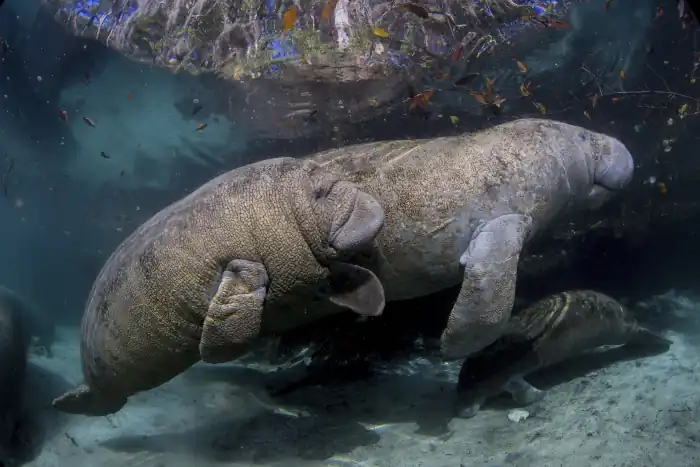
Spring remains a major highlight of the sea animals mating season in many temperate regions. Manatees in Florida often form visible mating herds as water temperatures rise and they leave winter refuges. Harbor seals nurse their pups and then begin a new breeding cycle. Sea turtles, including leatherbacks, migrate to beaches to lay eggs starting in spring and continuing into summer.
Fish species also become more active during this time. Wrasse may build nests, while giant black sea bass travel to warmer waters for courtship. Inshore mating and egg-laying by cuttlefish provide another example of how the sea animals mating season intensifies as food becomes abundant.
These activities often coincide with increased tourism and public awareness. Coastal communities witness firsthand the beauty and fragility of marine reproduction, reinforcing the importance of conservation.
Migration-dependent reproduction and ocean journeys
For many species, the sea animals mating season is closely tied to migration patterns rather than local seasons alone. North Atlantic right whales give birth in late winter and early spring in warmer waters before migrating north to feeding grounds. Similarly, some fish travel long distances to reach spawning areas where environmental conditions are ideal.
Migration ensures that offspring are born in safe locations with plenty of resources. It also connects different parts of the ocean ecosystem, illustrating how the sea animals mating season extends far beyond a single place or time.
Human impact and the future of the sea animals mating season
Climate change, pollution, and habitat destruction are reshaping the sea animals mating season for many species. Rising ocean temperatures can shift spawning times, disrupt food chains, and affect migration routes. Noise pollution from ships may interfere with whale communication during breeding periods. Coastal development can also threaten nesting beaches and shallow spawning grounds.
Conservation efforts aim to protect breeding habitats and ensure that the sea animals mating season continues naturally. Marine protected areas, fishing regulations, and public education all play important roles. By understanding how sensitive these cycles are, people can help safeguard the future of marine life.
A living calendar beneath the waves
The sea animals mating season is not a single event but an ongoing story of adaptation. Each species has evolved to reproduce at the best possible time for survival. Spring may bring a surge of activity in many regions, but winter gatherings, summer colonies, and year-round tropical breeding all contribute to a dynamic global rhythm.
Learning about the sea animals mating season deepens our appreciation for the ocean’s complexity. It reminds us that every tide, temperature shift, and moon phase influences the next generation of marine life.
Reflection: The United States vs. the rest of the world
In the United States, awareness of the sea animals mating season often comes from highly visible coastal events such as grunion runs in California, manatee gatherings in Florida, or seal pupping seasons along the Pacific and Atlantic coasts. Public education programs, wildlife tours, and conservation campaigns help communities connect with these seasonal moments.
Around the world, however, the sea animals mating season may be experienced differently. Tropical countries often observe year-round breeding patterns on coral reefs, while Arctic nations witness dramatic spring activity tied to melting ice. Cultural traditions, fishing practices, and environmental policies also influence how people interact with marine reproduction.
Despite regional differences, a shared global understanding is growing: the sea animals mating season is a delicate and essential part of ocean health. Whether in U.S. coastal towns or remote island communities, protecting these cycles helps preserve biodiversity and maintain the balance of marine ecosystems.
Considerations.
Take a moment to reflect on how the sea animals mating season shapes the health of our oceans. The next time you visit the coast or watch a marine documentary, think about the hidden journeys and careful timing behind every new life beneath the waves. Share what you’ve learned, support ocean-friendly practices, and help protect the incredible cycles that keep marine ecosystems thriving for generations to come.
Product Tips
-
Electrostatic Brush Hair Remover Pets Hair Cleaner Hair Reusable
Original price was: $2.71.$2.21Current price is: $2.21.




Disclosure: This site participates in various affiliate programs, including Amazon Services LLC Associates, eBay Partner Network, AliExpress Affiliate Program, and others. This means we may earn a commission on qualifying purchases made through links on this site, at no additional cost to you.
New Posts
- The Fascinating World of Exotic Pets You Can Legally Own

- Pet Environment Safety: A Happier, Greener Life for Animals and People

- The Exciting World of Reptile Spring Awakening
- The Joyful Return of Wings: Understanding Butterfly Spring Reproduction
Categories
Tags
animal conservation animal protection animal welfare cat grooming tips cat mental health Cats Health cat training dog behavior dog grooming Dog travel tips farm animal care farm animals farmyard animals Rabbit Care Tips working animals


Share: