
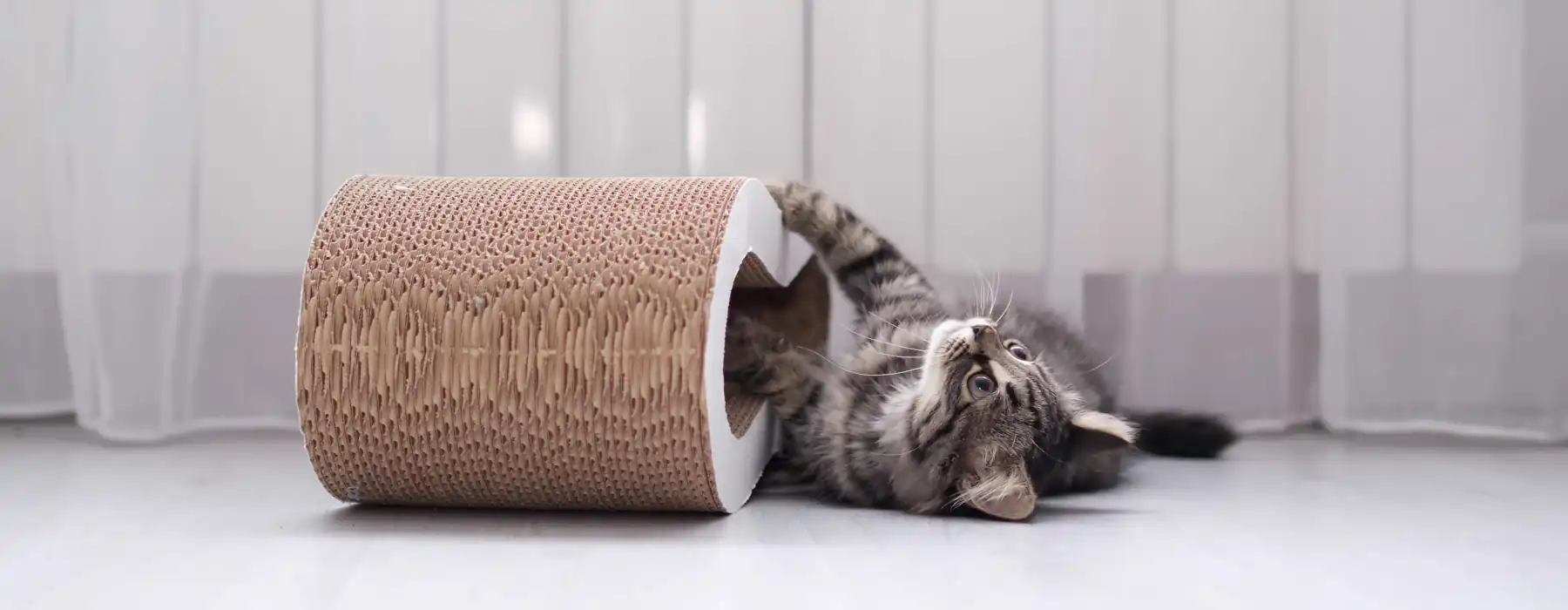
Feel-Good Guide to Cat Scratching Without the Stress
Cat Scratching Explained Simply
Cat scratching might seem like a big problem—especially when your couch, curtains, or favorite chair become your feline’s personal claw gym, but here’s the good news: scratching is totally normal cat behavior, it helps the cat replace the old nails with new nails removing dead layers of the nail sheath, it’s not a sign your cat hates your furniture or is acting out. Scratching is how cats stretch, mark their territory, and keep their claws healthy. Imagine it like how we stretch after a nap or file our nails—it’s not just instinct, it feels good too.
So, why do cats scratch in the first place? Scratching is about more than just claws; it’s how your cat leaves visual and scent markers, thanks to tiny glands in their paws. It’s their way of saying, “Hey, I live here!” Plus, it gives them a physical and emotional release. If you’ve ever seen your cat go from scratching to zooming around the room, you’ve seen the joy it brings them.
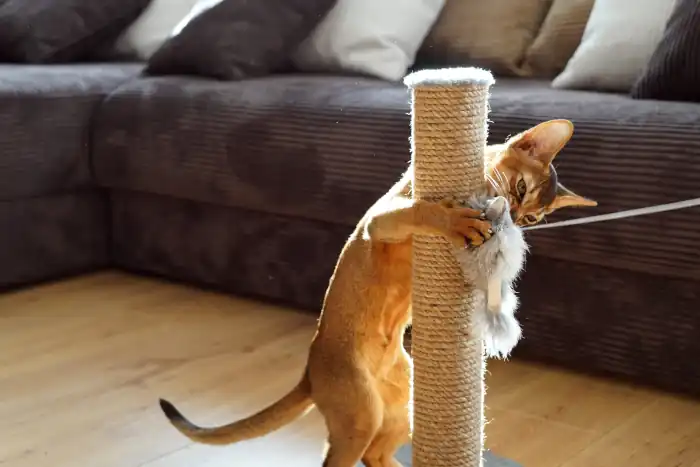
Protect Your Space & Help Your Cat Feel Great
Here’s the truth: scratching is normal for cats—but your sofa doesn’t agree. The trick is not to stop your cat from scratching but to guide their scratching behavior. If we think of scratching as part of your cat’s emotional well-being, it’s easier to approach the problem with compassion rather than frustration.
Start by watching where your cat already likes to scratch. Is it the arm of the couch? The carpet near the door? Great! That’s where you can place a scratching post or pad. Choose scratching furniture that mimics what your cat enjoys—like cardboard if they go for the floor, or sisal rope if they’re into the couch.
Make that spot fun. Sprinkle catnip or rub a little silvervine on it to invite your cat over. If they’re hesitant, use toys to get them interested. You can also place it near their favorite napping spot, so it’s part of their wake-up routine.
Helping Cats Scratch Without Ruining Things
Redirecting cat scratching behavior isn’t about discipline—it’s about giving better options. If your cat is still going for the furniture, try covering the surface with something less fun to scratch, like double-sided tape or a smooth cover, while also offering the new scratcher nearby. Once your cat starts using the right spot, offer gentle praise, treats, or playtime. They’ll start to associate scratching there with good things.
Think of it like teaching a kid to draw on paper, not the walls. You don’t stop them from drawing—you just guide where and how. Cats learn the same way.
Also, make sure the scratching area is sturdy. Wobbly posts are a turn-off. Your cat wants to pull, dig, and stretch. If the post tips or slides, they’ll go right back to the couch. Tall, stable posts and horizontal pads both give options for different styles of scratching. (AFFILIATE LINK)
Cat Scratching and Emotional Health
Here’s something a lot of people don’t know: scratching helps your cat feel safe and secure; it’s not just about the claws. If your cat is stressed, bored, or anxious, you might see more scratching. That doesn’t mean your cat is “bad”—it means they need more stimulation, attention, or a change in environment.
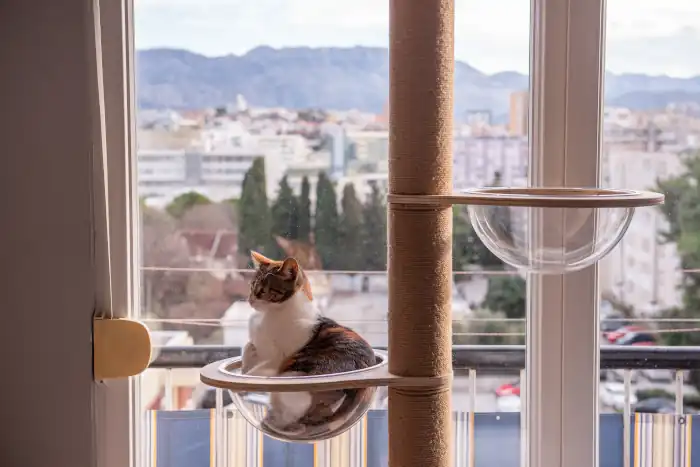
Cats in multi-cat homes may scratch more to feel secure. Or if something changes, like a new pet, guest, or move, your cat might increase scratching to reclaim space. Try providing new scratchers in calm, quiet areas or near windows so your cat can watch the world.
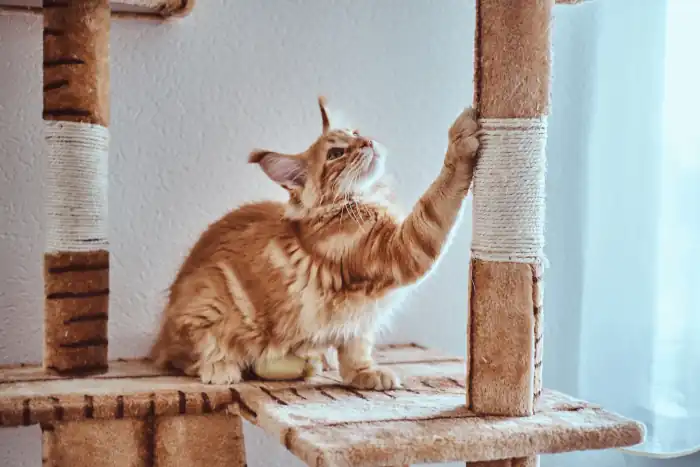
Scratching Is a Full-Body Workout for Cats
Scratching lets cats stretch their whole body, especially the shoulders and spine. After a nap or before zoomies, a few strong scratches are just what your cat needs. It’s not just exercise—it’s also a form of play and personal comfort.
By supporting this behavior in healthy ways, you help your cat stay physically active and emotionally balanced. That’s a win-win.
Cat Scratching Behavior in the U.S. vs. the World
In the U.S., cat scratching is often seen as a problem, especially when it ruins furniture, but in many other countries, people take a more proactive, positive approach. In places like Europe or Japan, cat-friendly furniture, wall-mounted scratchers, and stylish cat trees are more common, and people embrace scratching as part of pet care, not just something to stop.
Some American households may even turn to declawing, which is sadly still legal in many states, but globally, this practice is banned in many countries because it’s painful and unnecessary. The good news is that with the right setup, patience, and a little creativity, you can help your cat scratch the right way—without ruining your stuff.
Final Thoughts: Helping Cats Scratch Right
Cat scratching behavior doesn’t have to drive you crazy. With a bit of understanding and some easy tools, you can protect your furniture, help your cat stay happy, and even make your home more pet-friendly, give your cat options, keep things fun and sturdy, and don’t forget the power of praise and patience.
Your cat isn’t being naughty—they’re just being a cat. By embracing that, you’re not just solving a problem. You’re building a stronger, more trusting bond with your feline friend.
Considerations:
Why do cats scratch, and what can you do: Cats scratch to mark territory, stretch muscles, and release stress. Guide your cat to the right scratching areas with smart placement and rewards.
Helping cats scratch without ruining things: Redirect cat scratching to sturdy posts or pads using scent, toys, and positive reinforcement. Avoid punishment—teach with encouragement.
Cat scratching behavior explained simply: Scratching is normal cat behavior, helping them feel safe, healthy, and happy. Give them good options to scratch, and you’ll protect your furniture too.
Curated Suggestions for products and More.
Want to set your cat up for scratching success? Check out these highly-rated scratching posts, pads, and cat trees that match your furniture and your feline’s favorite moves.
Product Tips
-
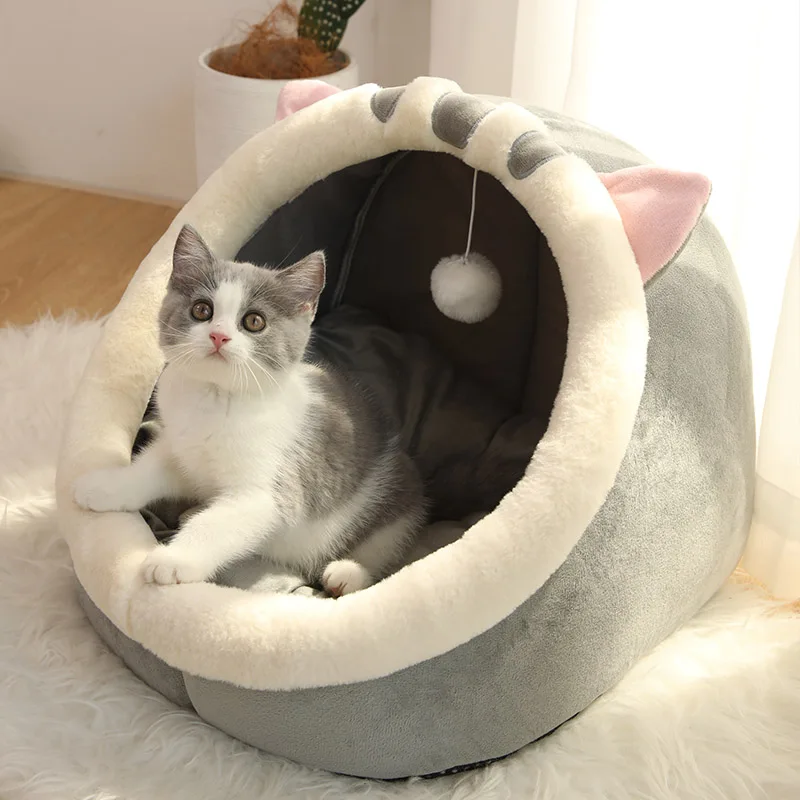
Pet Deep Sleep Small Dog Cat Bed Washable Removable
Original price was: $25.88.$8.02Current price is: $8.02. -
Dog Toy Automatic Bouncing Bite Resistant Funny interactive
Original price was: $28.30.$10.24Current price is: $10.24.

Disclosure: This site participates in various affiliate programs, including Amazon Services LLC Associates, eBay Partner Network, AliExpress Affiliate Program, and others. This means we may earn a commission on qualifying purchases made through links on this site, at no additional cost to you.
New Posts
- The Fascinating World of Exotic Pets You Can Legally Own

- Pet Environment Safety: A Happier, Greener Life for Animals and People

- The Exciting World of Reptile Spring Awakening
- The Joyful Return of Wings: Understanding Butterfly Spring Reproduction

Categories
Tags
animal conservation animal protection animal welfare cat grooming tips cat mental health Cats Health cat training dog behavior dog grooming Dog travel tips farm animal care farm animals farmyard animals Rabbit Care Tips working animals
Share: