
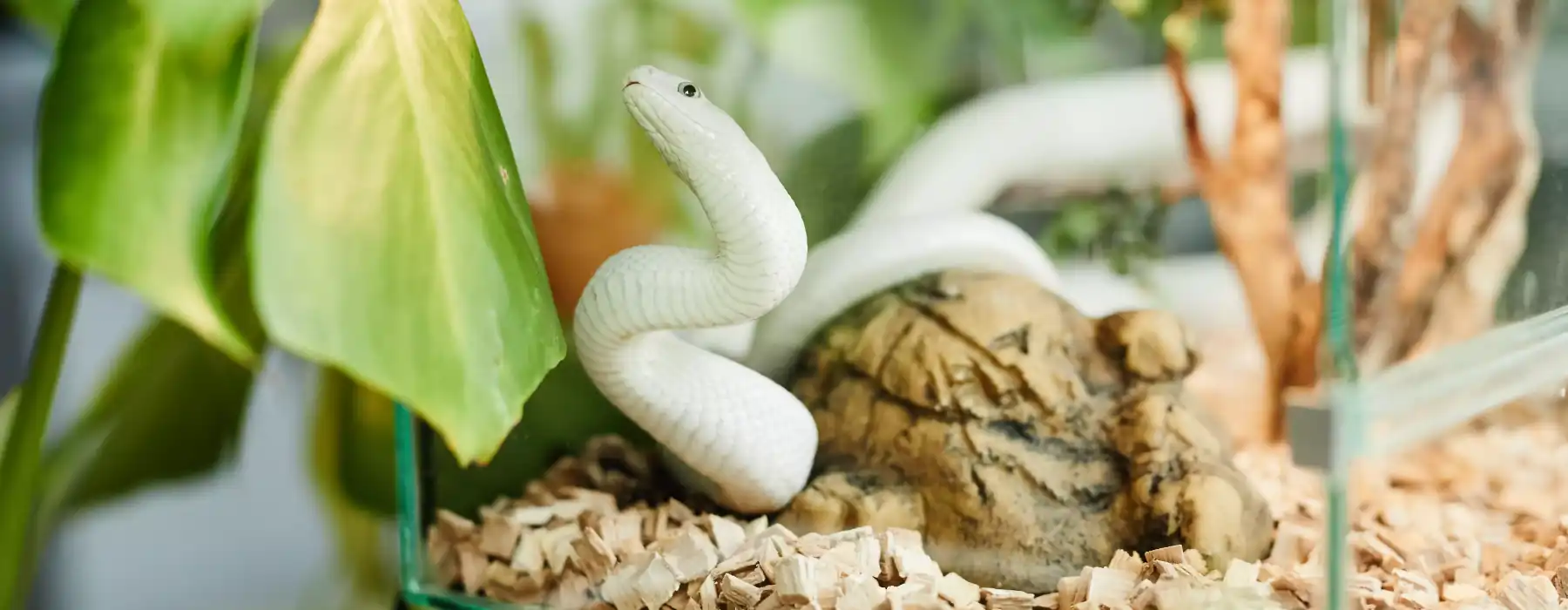
Happy Guide to Reptiles Care: Keeping Your Pet Healthy and Clean
Simple Routines for Reptile Hygiene That Actually Work
Reptiles care might sound intimidating at first, but it’s actually a fun and rewarding journey when you learn the basics, and whether you’re taking care of a lizard, snake, or even a turtle, it all comes down to a few simple things: cleanliness, comfort, and consistency. Reptiles may not wag their tails like dogs or purr like cats, but they still need your attention, especially when it comes to hygiene and environment, and yes, keeping lizards and snakes clean is easier than you think!
As someone who first adopted a leopard gecko as a teenager, I remember being overwhelmed by the tank setup, the lighting, and how to clean everything properly. But with a few reptile hygiene tips, I found a groove that worked for me—and more importantly, for my scaly buddy.
Let’s dive into the world of reptiles care and uncover some easy routines that make all the difference.
Creating a Healthy Reptile Home
The first step to proper reptiles care is setting up a clean and comfortable housing environment. Also, your reptile’s enclosure should mimic its natural habitat, and this means thinking about the temperature, humidity, lighting, and how often it needs cleaning.
Humidity and temperature aren’t just numbers; they affect your pet’s health in major ways, and for example, if you have a bearded dragon, keeping its space too humid can lead to respiratory issues. On the flip side, snakes often need a humid hide to help with shedding.
Lighting is also essential, and most reptiles need UVB light to synthesize vitamin D3, which is critical for calcium absorption. Without proper lighting, reptiles can suffer from metabolic bone disease.
When I started, I used to forget about the humidity until my gecko had trouble shedding. That’s when I realized that even minor things like misting the enclosure or using a hygrometer could make a big difference. (AFFILIATE LINK)

The Art of Clean and Care for Your Reptile
Reptile hygiene tips aren’t just about scrubbing tanks; they’re about building a routine. If you can remember to brush your teeth and wash your hands, you can remember to clean your reptile’s home.
Spot-cleaning should happen daily. That means removing waste, uneaten food, and shedding skin. Full cleans should happen every few weeks. During this, replace the substrate, wash the decor, and disinfect the enclosure with reptile-safe cleaners. (AFFILIATE LINK)
One mistake I made early on was using household cleaners—don’t do that! Many chemicals are toxic to reptiles; always go for something that’s made specifically for reptiles. (AFFILIATE LINK)
Clean Water is Non-Negotiable
It sounds obvious, but clean water is one of the most overlooked parts of reptile care, and some reptiles, like turtles or iguanas, may even soak in their water bowls, so you want that water to be pristine.
Fresh, dechlorinated water should be available at all times. Change it daily and scrub the dish a few times a week. I use a ceramic water dish that’s easy to clean and doesn’t tip over when my gecko climbs on it. (AFFILIATE LINK)
Healthy Diet = Happy Reptile
Diet and hygiene go hand in hand. If you’re feeding your reptile live insects, they can carry bacteria or parasites, so gut-load and dust them with supplements before feeding, and clean up any leftover food quickly, especially in warm environments where it can spoil fast.
Some reptiles eat fruits and veggies, others need high-protein diets. Always research your pet’s specific dietary needs and stick to fresh, clean food sources. I personally love using feeding tongs—it keeps things hygienic and helps avoid accidental bites. (AFFILIATE LINK)
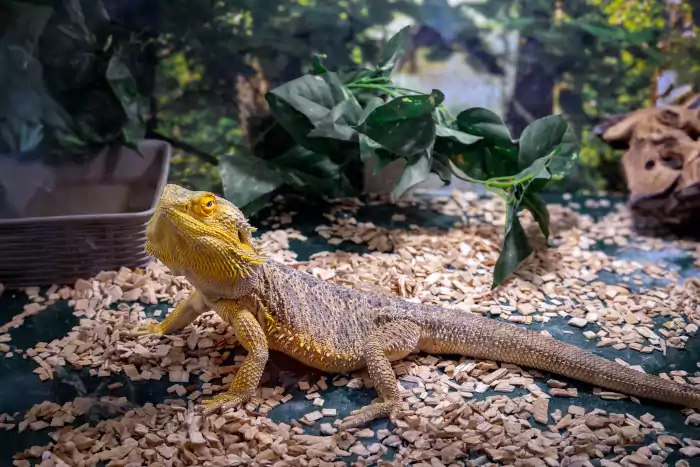
Handling: Be Gentle, Be Clean
You have to consider handling a reptile as part of the fun of being its owner, but it has to be done correctly, and it is always advisable to wash your hands before handling a reptile and wash them again afterward. Your hands could possibly have oils from lotions or even bacteria that could irritate the skin of the reptile.
If your reptile is shedding, also known as ecdysis, it is a natural process where they shed their old skin to make way for new skin growth. You must avoid too much handling. Give them space and make sure the humidity is high enough to help the process along.
Pro tip: Use hand sanitizer designed for pet use (AFFILIATE LINK) and avoid perfumed soaps. It might seem like a small thing, but it’s one more way to ensure good hygiene.
Why Reptile Hygiene Tips Matter So Much
You might be asking yourself why there’s such a huge emphasis on reptile hygiene tips for a clean and healthy pet upkeep. The reason is that an unclean environment would give rise to many potential problems, such as stress, infections, mites, and sometimes even fatal diseases.
By maintaining cleanliness, you’re not just making the tank look good; you’re literally saving your reptile from discomfort and possible illness, and it’s honestly not that hard once you have a rhythm going.
I used to schedule cleaning days with a calendar reminder—now it’s just part of my weekly routine, a little consistency goes a long way.

Global Vibes vs. U.S. Practices: What to Know
Across the world, reptiles care varies depending on climate, local laws, and the availability of products. For example, in some parts of Europe, reptile owners rely more on natural light and soil-based substrates. In the U.S., we have access to a wide range of high-tech reptile gear like smart thermostats, UVB meters, and automatic misters. (AFFILIATE LINK)
That said, the core principles remain the same: good lighting, clean water, proper temperature, and hygienic practices, and in the U.S., many owners follow advanced care routines that are easy to adopt thanks to the availability of quality products and educational resources.
Internationally, there’s a rising awareness about proper reptile hygiene and the emotional well-being of reptiles. But the U.S. still leads in pet supplies, tech, and dedicated reptile communities.
Ready to Start Your Reptile Care Journey?
Learn how to do it right from the start. Clean and care for your reptile like a pro. Reptiles care isn’t about doing it all at once; it’s about building small, manageable habits. From daily spot cleaning to checking the UVB bulb expiry date, these actions become second nature.
Explore tools that make things easier. From automated temperature control to hands-free misting systems—you’ll find something that fits your lifestyle. (AFFILIATE LINK)
And most importantly, enjoying the process of watching your reptile thrive in a clean and well-maintained habitat is incredibly rewarding. You’ll develop a connection that goes beyond the scales.
Final Thoughts on Reptiles Care
Reptile care entails an understanding of your pet’s environment, cleanliness, and health requirements, and from the setting of temperature and humidity, diet, handling, or lighting requirements, it all connects back to one goal: ensuring a well and happy reptile.
Reptile hygiene tips are not just rules to follow—they’re habits that show your love and respect for these fascinating animals.
Discover easy routines today and build a solid foundation for years of companionship.
Consideration.
Reptile care is all about maintaining proper hygiene, ideal habitat conditions, and consistent handling routines. Learn how to set up temperature, humidity, lighting, diet, and water needs to keep your reptile healthy. These reptile hygiene tips for a clean and healthy pet are perfect for beginners and teens alike.
Curated Suggestions for products and More.
Start your reptile care journey today with the right tools and trusted advice. Check out our favorite products for reptile hygiene and comfort (AFFILIATE LINK), and take the first step toward being the best reptile parent you can be!
Product Tips
-
Anti-Slip Big Dog Socks Paw Protectors Traction Control
Original price was: $4.99.$1.59Current price is: $1.59. -
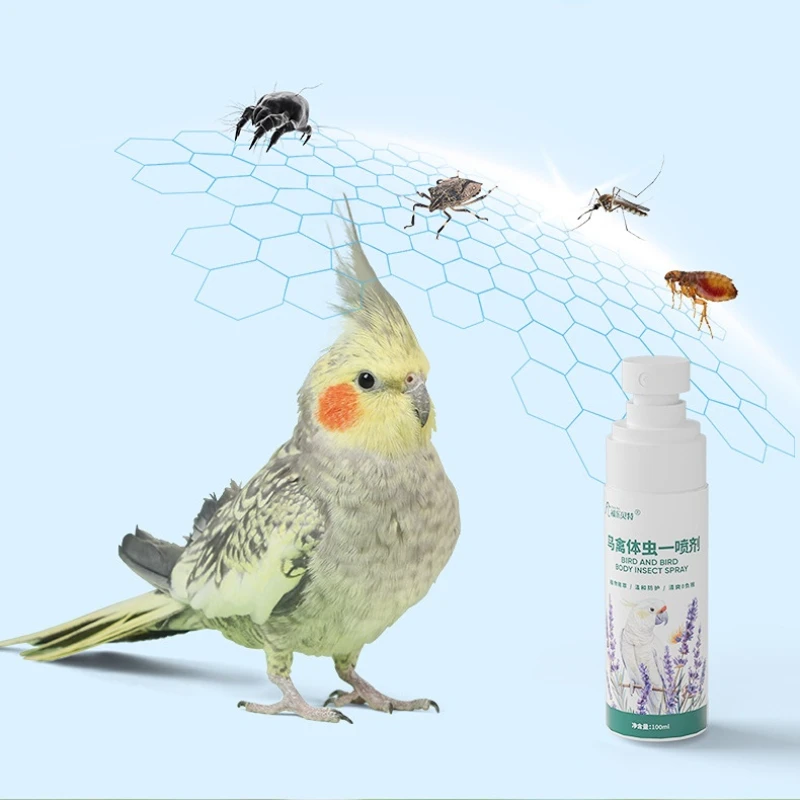
Bird insect repellent feather lice mites 100ml parrot supply
Original price was: $19.87.$6.95Current price is: $6.95.



Disclosure: This site participates in various affiliate programs, including Amazon Services LLC Associates, eBay Partner Network, AliExpress Affiliate Program, and others. This means we may earn a commission on qualifying purchases made through links on this site, at no additional cost to you.
New Posts
- The Fascinating World of Exotic Pets You Can Legally Own

- Pet Environment Safety: A Happier, Greener Life for Animals and People

- The Exciting World of Reptile Spring Awakening
- The Joyful Return of Wings: Understanding Butterfly Spring Reproduction

Categories
Tags
animal conservation animal protection animal welfare cat grooming tips cat mental health Cats Health cat training dog behavior dog grooming Dog travel tips farm animal care farm animals farmyard animals Rabbit Care Tips working animals

Share: