
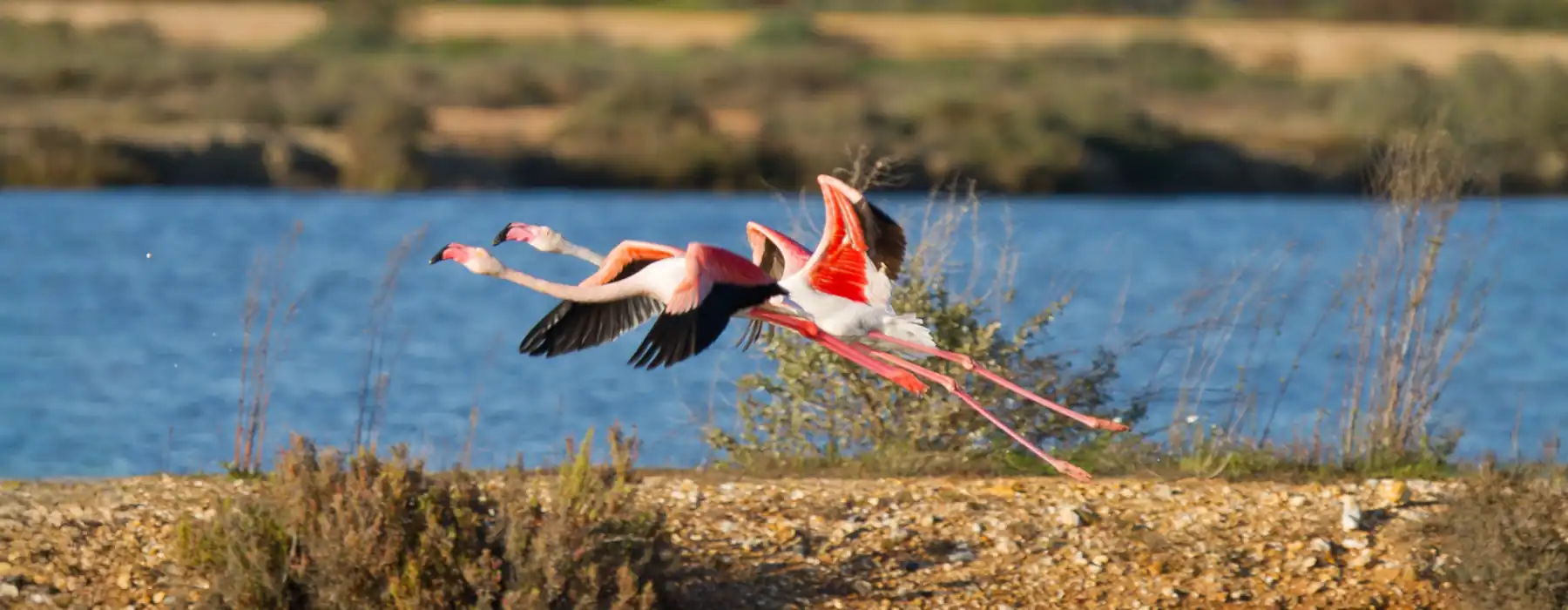
The Amazing World of Flying Animals: Nature’s Airborne Wonders
Discover the Fascinating World of Flying Animals
Flying animals are some of the most incredible creatures on Earth, from birds gliding effortlessly across the sky to flying fish soaring just above ocean waves. The ability to take to the air is something that continues to amaze us, but here’s a cool twist: not all flying animals have wings, and not all of them are birds! Yup, nature got super creative with flight.
Flying isn’t just about flapping wings; there’s gliding, soaring, parachuting, and powered flight, and it’s not just birds that fly — we’ve got flying insects, mammals, reptiles, amphibians, and even spiders that catch air. In this article, we’re diving into the amazing world of flying animals and showing you just how diverse and awesome this natural superpower really is.
Whether you’re into nature, animals, or just cool science facts, this is going to blow your mind. Let’s take off!
What Makes an Animal “Fly”?
When we think of flying animals, we usually picture birds or insects, but flying can mean a lot of different things. Some animals actually fly with power, flapping their wings or bodies to stay up, while others just glide or parachute through the air using skin flaps, wings, or even silk threads, and this includes everything from flying squirrels to gliding lizards.
Flight can be divided into a few different types:
- Powered flight: like what you see in birds, bats, and insects. These animals actively beat their wings to lift off and stay airborne.
- Soaring flight: Animals like eagles and vultures do this. They ride on air currents, barely flapping at all.
- Gliding and parachuting flight: Animals like flying squirrels or flying frogs use flaps of skin to coast from tree to tree.
Birds: The Classic Flying Animals
Let’s start with the flying birds, the stars of the sky. From tiny hummingbirds that can hover like helicopters to massive albatrosses that soar for hours, birds have truly mastered the skies.
Their wings, feathers, hollow bones, and strong chest muscles are built for flight. Some of the most amazing flying birds include:
- The peregrine falcon, the fastest animal on Earth.
- The albatross, which can glide over the ocean for days.
- The swift, which can stay in the air for months without landing!
Birds are the most common aerial animals, but they’re far from the only ones.
Flying Insects: Small but Mighty
Flying insects like bees, butterflies, and dragonflies might be tiny, but their flight is complex and powerful. They use powered flight by flapping their wings super fast — sometimes hundreds of times per second!
Insects were actually the first animals on Earth to develop flight. How cool is that?
Dragonflies can fly backward, bees do that famous “waggle dance” in the air, and butterflies travel thousands of miles during migration. They’re living proof that size doesn’t matter when it comes to flying.

Bats: The Only Flying Mammals
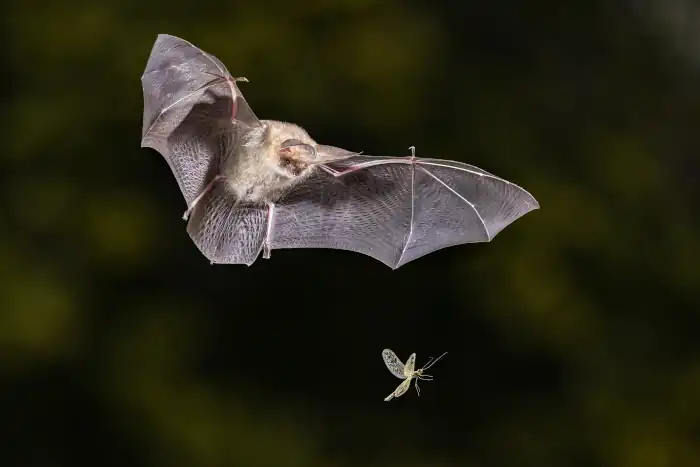
Yes, you read that right. Flying bats are the only real flying mammals. They don’t glide — they actually flap their wings (which are really just stretched skin over their fingers) and fly just like birds.
Some bats, like the flying fox, have wingspans up to five feet! Others are tiny and agile, using echolocation to navigate in the dark, and they play a huge role in pollinating plants and controlling insects.
If you’re into wildlife gear, you might want to explore (AFFILIATE LINK) for tools that help spot and learn about bats at night.
Flying Mammals That Glide
Besides bats, other mammals can “fly” too — kind of. These are gliding animals, like the arboreal gliding squirrels and the gliding lemur (also called a colugo). They have skin stretched between their legs that helps them glide between trees.
They don’t flap like birds or bats, but they can coast long distances with amazing accuracy. Perfect for moving around in dense forests without touching the ground.
Flying Fish: Ocean Creatures That Leap into the Sky
If you’ve ever seen a fish jump out of the water and glide like a paper airplane, you’ve seen a flying fish in action. These fish can launch themselves with their tails and spread their large fins to glide above the water’s surface — sometimes for hundreds of feet!
They use this as a way to escape predators. It’s not true flying, but it’s definitely awesome and counts as aerial animal behavior.
Flying Amphibians: Yes, Flying Frogs Are Real
Some frogs have flaps of skin between their fingers and toes that allow them to glide through the air. These are called flying frogs, and they’re usually found in tropical forests.
By leaping from high branches and spreading their limbs, they can steer their way down, avoiding danger and reaching new homes in the trees. Pretty slick, right?
Flying Reptiles and Other Gliders
Ever heard of the Draco lizard? This “flying reptile” has wing-like ribs that it can expand to glide through the forest canopy. It’s like a tiny dragon!
While no modern reptiles truly fly like birds or bats, many can glide impressively. These include certain snakes and even baby geckos that parachute to the ground.
Flying Molluscs and Spiders: Say What?!
Believe it or not, some mollusks like squid can shoot out of the water and glide briefly through the air. Scientists think this helps them escape predators, just like flying fish.
Even weirder: flying spiders are real. They don’t have wings, but they spin silk threads and ride the wind — a trick called “ballooning.” This allows baby spiders to travel miles in the air. So, not wings, but still a form of flying!
Animals That Fly That Aren’t Birds
Let’s wrap this section up with a fun thought. When you think about it, many animals that fly that are not birds are out there doing their thing — bats, insects, gliders, fish, even spiders.
So maybe “bird animals” aren’t the only rulers of the sky after all!
A World of Flying Creatures: The U.S. vs. The World
Now here’s something to think about. Around the world, people grow up with different flying animals. In the United States, you might be used to seeing birds like hawks, blue jays, and even bats at night. But travel to the Amazon or Southeast Asia and you’ll spot flying amphibians, gliding lemurs, and more wild creatures you might never see back home.
This shows how rich and varied animal flight is across the globe. The U.S. has amazing aerial wildlife, especially birds and bats, but other continents offer unique glimpses into the full diversity of flight.
Final Thoughts: Why Flying Animals Matter
Flying animals aren’t just fun to learn about. They’re vital to ecosystems, spreading seeds, pollinating flowers, controlling insect populations, and even inspiring technology like drones and airplanes.
They teach us that there’s more than one way to fly — and sometimes the most unexpected creatures take to the skies.
So next time you look up, whether it’s a butterfly, a bat, or even a spider floating by, remember: nature never runs out of cool surprises.
Ready to Discover More?
Want to learn more or even observe flying animals up close? You can check out some great field guides and gear for nature adventures (AFFILIATE LINK). Dive into the wild, and who knows — you might even spot something flying that you never expected!
Product Tips
-
Rabbit Guinea Pig Hay Feeding Bag Chinchilla Hamster Bunny
Original price was: $9.71.$4.56Current price is: $4.56. -
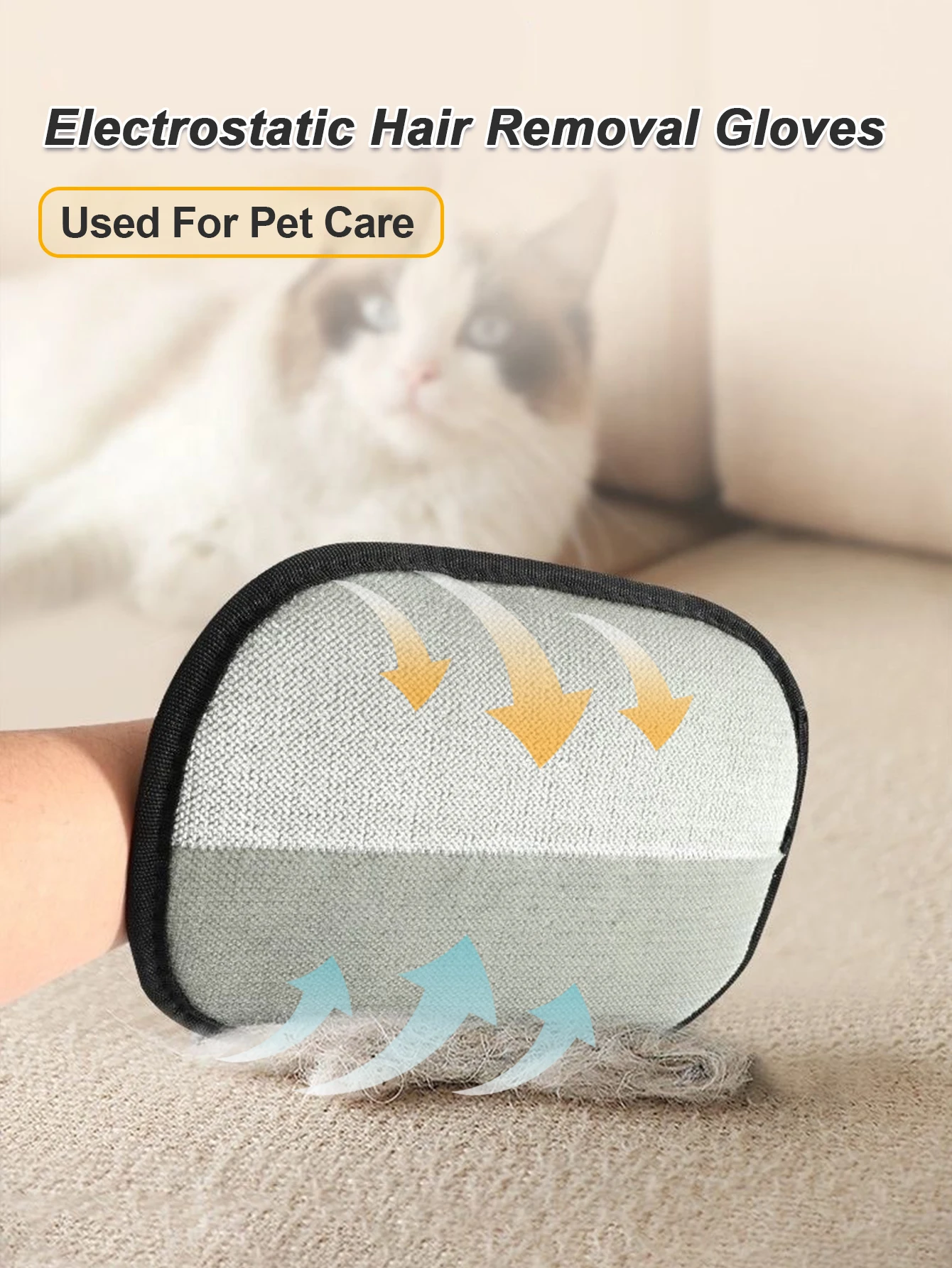
Electrostatic Glove Pet Hair Remover Mitts Two-Way Brush
Original price was: $5.34.$2.67Current price is: $2.67.



Disclosure: This site participates in various affiliate programs, including Amazon Services LLC Associates, eBay Partner Network, AliExpress Affiliate Program, and others. This means we may earn a commission on qualifying purchases made through links on this site, at no additional cost to you.
New Posts
- The Fascinating World of Exotic Pets You Can Legally Own
- Pet Environment Safety: A Happier, Greener Life for Animals and People

- The Exciting World of Reptile Spring Awakening
- The Joyful Return of Wings: Understanding Butterfly Spring Reproduction
Categories
Tags
animal conservation animal protection animal welfare cat grooming tips cat mental health Cats Health cat training dog behavior dog grooming Dog travel tips farm animal care farm animals farmyard animals Rabbit Care Tips working animals
Share: