
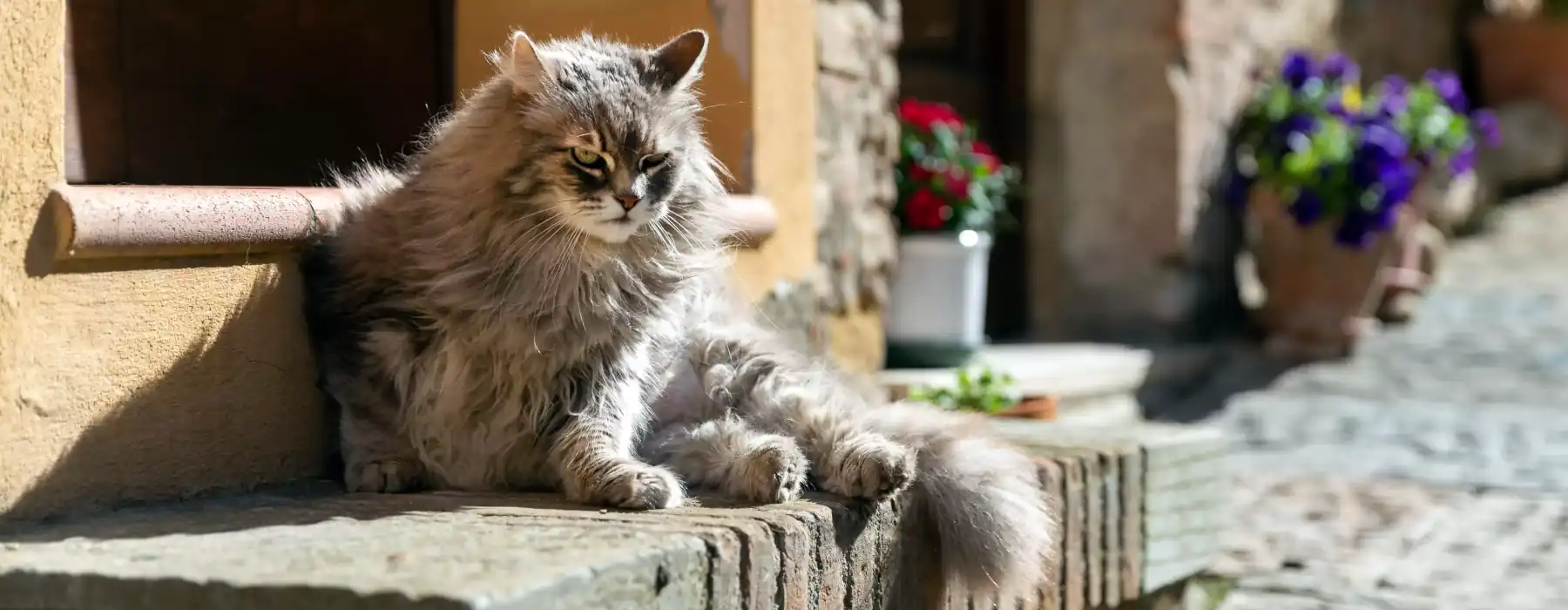
Peaceful Ways to Help Your Aggressive Cat Feel Calm
Understanding Your Cat’s Behavior Can Bring Real Comfort
If you’ve ever lived with an aggressive cat, you know how upsetting it can be. One moment your kitty is purring sweetly on the couch, and the next it might hiss, swat, or even bite. If that sounds familiar, you’re not alone. Learning how to handle an aggressive cat is one of the most important steps you can take to build a peaceful home for both your pet and yourself, and the good news is that even angry cats can learn to trust again—with the right care, patience, and environment.
In this guide, we’ll explore the causes of aggressive cat behavior, how to recognize the signs early, and what you can do to calm your kitty down. These aggressive cat tips are all about building understanding and compassion, not punishment. So let’s dive in and create a happier, safer space together.
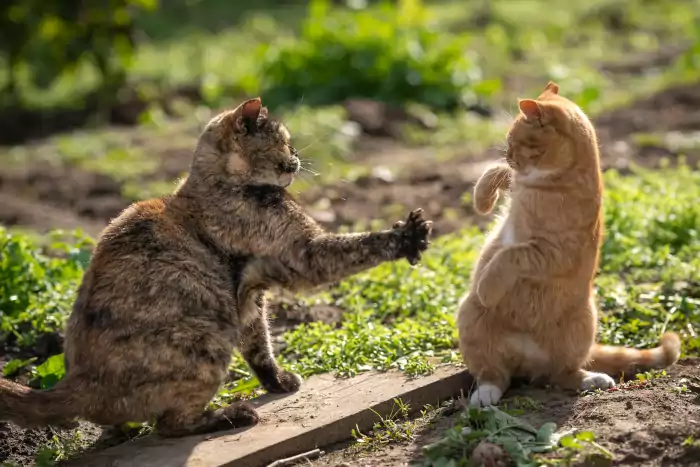
Why Is My Cat Acting So Mad?
To really get to the root of cats behavior, you have to start thinking like a cat. Imagine being small, sensitive to every sound and movement, and totally dependent on your environment for food, safety, and love, but when cats feel threatened, they might act out in ways that look aggressive but are actually signs of stress or fear.
Your aggressive cat may be trying to tell you something important. They might be in pain, scared, or overwhelmed. Some common causes include past trauma, changes in the home, or even boredom, and sometimes, it’s just a natural part of their personality, but every cat deserves a chance to feel safe and understood.
How to Handle an Aggressive Cat With Love
One of the first steps to helping your cat chill out is to create a peaceful space. Your home should feel like a sanctuary, not a battlefield. Give your cat cozy places to hide, high perches to observe from, and plenty of toys to stay mentally engaged. If they need space, give it. Cats don’t like to be forced into anything.
Always approach your aggressive cat slowly, with a soft voice and calm movements. Never yell or punish them—that only builds more fear. Instead, reward calm behavior with treats, praise, or petting (if they like it). Sometimes, just being near them without touching is enough to build trust.
Some owners find that calming pheromone sprays or natural supplements can ease their cat’s nerves. A vet can also help rule out any hidden health problems. Pain from dental issues, arthritis, or injury can make even the sweetest cat lash out.
Learn to Read the Signs Before It Escalates
Reading your cat’s body language is key to avoiding conflict. Please watch their tail, ears, and eyes. If their ears go back, their tail swishes, or their pupils dilate, back off. That’s your cat saying, “I’m overwhelmed.”
Understanding why cats act out helps you avoid situations that trigger their aggression. Maybe they hate being picked up, or they get stressed when guests come over. The more you pay attention to their patterns, the easier it becomes to create a home where they feel safe and respected.
Aggressive Cat Tips That Actually Work
Instead of trying to “fix” your cat, think about how to support their emotional needs. Playtime can be a great way to release tension. A feather wand or laser pointer can help them burn off energy in a positive way.
Routine also makes a big difference. Cats love knowing what to expect. Feed them at the same time each day, and keep their environment predictable. If you have a multi-cat home, make sure each cat has their own food and litter area to avoid competition and stress.
Another solid trick is positive reinforcement. When your cat behaves well, give a treat or loving attention. Over time, your cat will associate calm behavior with good things.
- Multivitamin for Cats – 4oz Powder – L-Lysine, Taurine, and Spirulina for…
- Wellix 16oz/450g Cat Treats for Indoor Cats – Salmon Oil Flavor Cat Biscuits…
- Hemp Cat Calming Treats, 200 Treats Calming Chews for Cats for Anxiety &…
- PETLIBRO Automatic Cat Feeder Wet Food with Stainless Steel Bowl,…
- Automatic Cat Feeder with 2K Camera: 5G WiFi Automatic Dog Feeder with Night…
Building a Calm and Loving Space
The journey from aggressive to affectionate won’t happen overnight, but with kindness, patience, and the right approach, even the most standoffish cat can learn to relax. Keep in mind that cats don’t act out because they’re “bad”—they act out because they don’t feel safe.
Creating a calm and loving space means removing stressors. Loud noises, too much handling, or a lack of escape routes can make your kitty feel trapped. Give them control over their surroundings. Let them come to you when they’re ready.
My Personal Experience With an Aggressive Cat
A few years ago, I adopted a gray tabby who had clearly been through some tough times. The shelter staff warned me: she was unpredictable and lashed out often. The first few weeks were rough. She hid constantly, hissed if I came too close, and scratched when startled.
But I gave her space. I read up on peaceful solutions for angry cats, and I kept my voice low and movements calm. Slowly, she began to trust me. I used toys to interact without pressure. I offered treats when she stayed relaxed around me. Eventually, she started sitting next to me, then letting me pet her, and finally, purring in my lap, and now she’s one of the most loving pets I’ve ever had.
Final Thoughts: Peace Starts With Understanding
When it comes to handling an aggressive cat, the most important tool is patience. Every cat has their own story, and sometimes their behavior is the only way they knows how to communicate pain or fear.
Whether your cat is swatting, biting, or just giving you the cold shoulder, they deserve compassion. Work on creating a space where your kitty can feel safe, and the aggression will often fade on its own.
Consideration:
How to handle an aggressive cat?
An aggressive cat needs a calm, stress-free environment, gentle handling, and patience. Understanding triggers, using positive reinforcement, and seeking vet advice can help calm aggressive cat behavior.
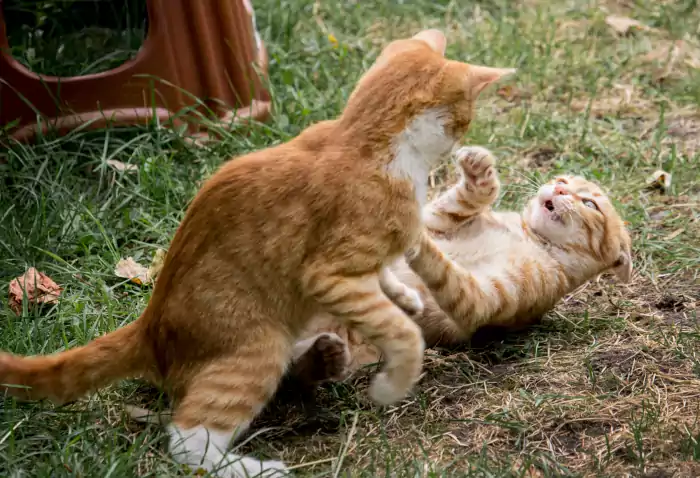
U.S. vs. Global Views on Aggressive Cat Behavior
In the U.S., many pet parents are encouraged to work with behaviorists or use pheromone-based calming aids, and there’s also a strong push toward adoption and giving animals a second chance, even those labeled as aggressive. Americans often turn to blogs, forums, and YouTube for guidance, and affiliate products like calming collars and supplements are widely used.
Around the world, however, responses to aggression in cats can vary. In some places, aggression is misunderstood or dismissed. Some may rehome the cat or, sadly, abandon them. But awareness is growing, especially with global platforms promoting peaceful solutions for angry cats. The more we talk about it, the more cats everywhere will get the chance to feel calm, loved, and safe.
Curated Product Suggestions and More.
You Can Help Your Cat Find Peace. Your cat isn’t broken. They’re just misunderstood. Start small—change one thing in their environment, try one new calming tool, or just sit quietly nearby. You might be surprised at how far your patience can go. Ready to help your aggressive cat feel safe and loved? Check out these calming tools and expert tips to make your home a peaceful place for both of you.
Product Tips
-
Dogs Beds Dog Sofa Warm Pet Winter Mat
Original price was: $55.95.$54.43Current price is: $54.43.




Disclosure: This site participates in various affiliate programs, including Amazon Services LLC Associates, eBay Partner Network, AliExpress Affiliate Program, and others. This means we may earn a commission on qualifying purchases made through links on this site, at no additional cost to you.
New Posts
- The Fascinating World of Exotic Pets You Can Legally Own

- Pet Environment Safety: A Happier, Greener Life for Animals and People

- The Exciting World of Reptile Spring Awakening

- The Joyful Return of Wings: Understanding Butterfly Spring Reproduction

Categories
Tags
animal conservation animal protection animal welfare cat grooming tips cat mental health Cats Health cat training dog behavior dog grooming Dog travel tips farm animal care farm animals farmyard animals Rabbit Care Tips working animals
Share: