

Happy Guide to Cat Behavior: Understand Your Kitty Better!
Easy Ways to Understand Cat Behavior
If you’ve ever stared at your cat and wondered what in the world it’s trying to tell you, you’re not alone. Cat behavior can feel like a mystery, especially when your furry friend suddenly bolts across the room, chirps at a bird, or decides your pillow is their new bathroom, but here’s the good news: decoding your cat isn’t impossible. In fact, understanding cat body language is way easier than it sounds once you know what to look for.
Cats are like little fluffy puzzles with tails. They might not bark like dogs or wag their tails in obvious ways, but their behavior speaks volumes—you just need to tune in. So let’s dive into the world of cat behavior explained psychology, from head tilts to tail flicks, and uncover what your kitty is really trying to say.

Understanding Cat Body Language Made easy-peasy
Cat body language can be puzzling. Learn the signs that show how your kitty really feels by watching how they move. Unlike humans, cats don’t fake feelings. If they’re annoyed, happy, curious, or scared, their body will tell you.
Let’s talk about the tail. If it’s up and slightly curled at the top, your cat is probably feeling good and wants attention. If it’s puffed up and twitching fast? That’s your cat saying “back off.” The same goes for the ears. Pointing forward means curiosity. Flat against the head? That usually means fear or anger.
Reading what your cat is telling you through their eyes is also a game-changer. Slow blinking is basically kitty kisses. It’s their way of saying they trust you. Big, wide eyes can mean surprise or excitement, but if those pupils are huge all the time, it might signal anxiety.
Curious Cat Behaviors Explained
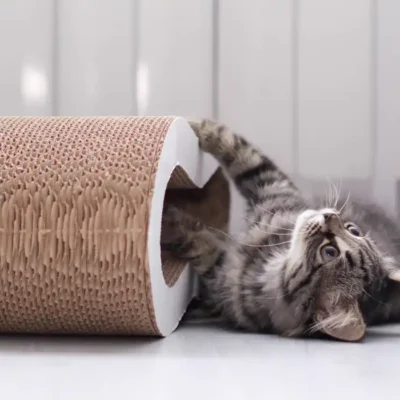
Ever catch your cat zooming around the house for no reason? That’s called the “cat crazies.” It’s completely normal, especially in the evening when their natural hunting instincts kick in. Scratching the furniture? That’s not just to destroy your couch. It’s a way to stretch, sharpen claws, and mark territory.
When a cat kneads you with their paws (yes, it kind of hurts), it’s something they learned as kittens to stimulate milk flow. As adults, it’s a sign they feel comfy and safe with you. Kinda sweet, right?
Male and Female Cat Behaviors Explained
Male cats and female cats do share lots of behaviors, but there are a few differences worth knowing. Male cat behaviors explained often include more roaming, especially if they’re not neutered. They might spray to mark territory or get a bit more aggressive during play.
On the flip side, female cat behaviors explained usually include nesting behaviors, especially if they’re not spayed. They might also be more cautious or territorial about specific spots in the home.
What Are Cat Behaviors?
So, what falls under the big umbrella of “cat behavior“? It covers how your cat communicates, how they react to new people or environments, how they play, groom, eat, sleep, and even how they use the litter box. Each one gives you clues about how your cat is feeling emotionally and physically.
If you notice changes—like hiding more than usual, eating less, or suddenly hissing—these could be signs something’s wrong. Paying attention to these behaviors can help you catch health issues early.

Cat Behavior Problems (And What You Can Do About Them)
Let’s be real: cat behavior problems can be super frustrating. One big one, it’s peeing outside the litter box, because this can be a sign of stress, a dirty box, a bad location, or even a medical issue. If your cat is peeing on your bed, it’s often a red flag that they’re anxious or insecure.
Biting can also be tricky. Sometimes it’s playful, other times it’s fear-based. Watch for signs like a twitching tail or flattened ears to predict when your cat might strike. Offering toys or interactive playtime can help redirect that energy.
Meowing non-stop might just mean your cat is bored or wants attention, but it can also mean they’re in pain or anxious. Listen to the tone and pitch—you’ll learn the difference over time.
And yes, some cats develop anxiety just like humans. This might show up as hiding, shaking, or being overly clingy. Creating a calm environment with a comfy space of their own and soothing toys can help.
Cat Behavior Issues With Pooping or Peeing
Another messy topic is cat behavior issues, peeing or pooping outside the box. This is often a sign that something in their environment isn’t right. Maybe it’s a new pet, loud noises, or a change in the litter. Rule out medical issues first, then look at what’s changed in their space.
Cats are creatures of habit. Move the litter box suddenly, change the brand of litter, or leave it dirty, and you might get a smelly protest. Giving them a quiet, clean space for their business helps a lot.

Final Thoughts: Reading Your Cat Like a Pro
Understanding your cat doesn’t have to feel like solving a puzzle with missing pieces. The more time you spend watching and interacting, the better you’ll get at reading what your cat is telling you.
Cat behavior is full of fascinating clues about how your cat thinks, feels, and interacts with the world. Whether you’re figuring out why they’re meowing at 3 AM or kneading your stomach, there’s always a reason behind it.
Creating a strong bond with your kitty means learning their unique quirks and responding with patience, love, and the occasional treat. In return, they’ll show you trust, affection, and maybe even let you have a corner of the bed.
What are common cat behavior problems?
Cat behavior problems include peeing outside the litter box, excessive meowing, anxiety, biting, and pooping in inappropriate places. These issues can often be improved by understanding your cat’s emotional needs and making small changes to their environment.
How can I read my cat’s body language?
Watch your cat’s tail, ears, and eyes. A high tail means happiness. Flattened ears or dilated pupils often show fear or stress. Slow blinks are signs of trust and affection.
Why does my cat pee on the bed?
Your cat may be experiencing stress, insecurity, or medical issues. Always rule out health concerns and make their environment feel safe and predictable.
Curated Suggestions for products and More.
Want to bond deeper with your feline friend? Try interactive toys, calming sprays, or comfy cat furniture to help your cat feel secure, loved, and happy in your home!
Product Tips
-
Dog Feeders Round Water Food Bowl Stainless Steel Pet Supply
Original price was: $22.46.$10.56Current price is: $10.56. -
Dog Cushions Pet Bed Sofa Beds Large Dogs
Original price was: $10.26.$9.39Current price is: $9.39.




Disclosure: This site participates in various affiliate programs, including Amazon Services LLC Associates, eBay Partner Network, AliExpress Affiliate Program, and others. This means we may earn a commission on qualifying purchases made through links on this site, at no additional cost to you.
New Posts
- The Fascinating World of Exotic Pets You Can Legally Own

- Pet Environment Safety: A Happier, Greener Life for Animals and People

- The Exciting World of Reptile Spring Awakening

- The Joyful Return of Wings: Understanding Butterfly Spring Reproduction

Categories
Tags
animal conservation animal protection animal welfare cat grooming tips cat mental health Cats Health cat training dog behavior dog grooming Dog travel tips farm animal care farm animals farmyard animals Rabbit Care Tips working animals

Share: