

Beyond Carrots: The Ultimate Rabbit Diet for Daily Health and Energy
The Secret to a Balanced Rabbit Diet
When most people picture a rabbit’s favorite meal, they imagine a pile of bright orange carrots. But the truth? That image has done more harm than good. A rabbit’s diet is far more complex and far more critical than most owners realize. These gentle grazers have a delicate digestive system that depends on a perfect balance of fiber, greens, and nutrients to keep them hopping happily for years.
A proper rabbit diet isn’t about guessing what they’ll enjoy; it’s about knowing what their bodies require. Think of it as a pyramid: hay forms the base, fresh greens fill the middle, and pellets top it off in careful moderation. Each part plays a vital role in keeping your bunny’s teeth trimmed, their gut healthy, and their energy high.
This guide breaks down exactly what your rabbit should eat every day — a plan that’s easy to follow, backed by science, and perfect for any bunny owner who wants their pet to thrive.
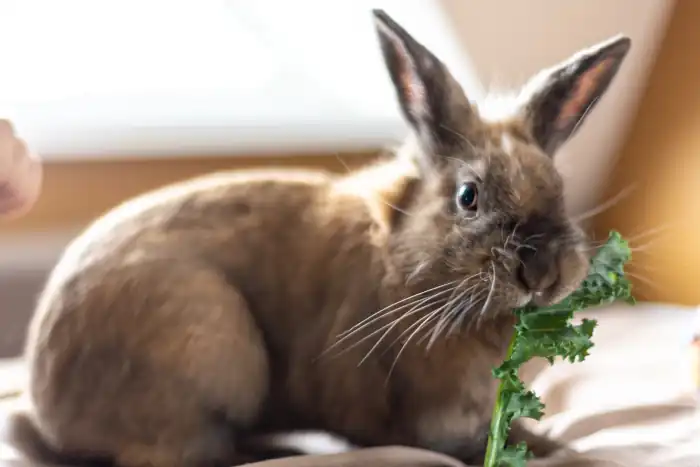
The Foundation: Hay The Heart of Every Rabbit Diet
If your rabbit could speak, they’d tell you that hay isn’t just food it’s life. Hay should make up 80 to 90 percent of your rabbit’s daily diet. It’s not an optional snack or a side dish; it’s their primary source of nutrition and fiber.
Fiber is the engine that keeps a rabbit’s digestive system running smoothly. Without it, the gut can slow or even stop a dangerous and often fatal condition called GI stasis. Hay also wears down their continuously growing teeth, preventing painful spurs that can make chewing impossible.
So what kind of hay is best? Not all are created equal. Timothy hay is the gold standard, with Orchard grass and Oat hay as excellent alternatives. The key is freshness hay should smell sweet and grassy, never dusty or moldy. For young rabbits under seven months, alfalfa hay can be used, but only temporarily since it’s too high in calcium for adults.
Keep hay available 24/7, stored in a clean feeder or hay rack, and make sure your rabbit has constant access. Remember: unlimited hay equals unlimited health.
The Daily Salad: Greens for Variety and Vitality
Once your bunny’s hay needs are covered, it’s time to add fresh greens about 5 to 10 percent of their diet. Think of it as their daily salad: flavorful, refreshing, and full of vitamins and hydration.
A healthy rabbit salad should feature a rotation of safe, leafy greens such as romaine lettuce, cilantro, parsley, kale, mint, basil, or bok choy. The variety isn’t just for taste it helps balance nutrients and keeps your rabbit interested in their meals.
One golden rule: avoid iceberg lettuce. It’s mostly water and lacks nutrients, and in large amounts can cause digestive upset. When introducing new greens, go slowly your rabbit’s digestive system adapts best to gradual changes.
You’ll notice that a rabbit’s favorite greens also depend on freshness and temperature. Rinse and lightly pat dry before serving, and remove any wilted leaves after a few hours. Consistency matters: feeding fresh greens daily helps mimic the natural grazing rhythm of wild rabbits.
The Supplement: Pellets in Perfect Proportion
Pellets might look small, but they play a big role when chosen wisely. They should only account for about 5 percent of the rabbit diet think of them as a nutritional supplement, not the main course.
The best pellets are high in fiber (at least 18%) and Timothy hay-based. Avoid colorful mixes with seeds, dried fruit, or nuts those are marketing tricks, not health food. The sugar and fat content in those mixes can disrupt digestion and lead to obesity or dental problems.
As for quantity, a good rule of thumb is ¼ cup of pellets per 5 pounds of body weight per day. Feed them at consistent times morning and evening work well and always remove uneaten pellets before refilling.
Pellets should never replace hay and greens. Instead, they should fill in nutritional gaps, ensuring your bunny gets all essential vitamins and minerals. Think of them as the finishing touch to an already balanced diet.

- 9lb Farm Fresh, USA Grown, Organic Alfalfa Hay for Rabbits, Guinea Pigs,…
- Abizoo Rabbit Natural Treats,10Pcs Timothy Hay Toys Chips Bunny chew Toys…
- Exotic Nutrition Pasture Plus+ Dandelion Delicacy – Healthy Natural…
- Small Pet Select Alfalfa Hay Pet Food for Young Rabbits, Guinea Pigs,…
- Natural Apple Sticks, 100g Treats Food for Small Animals, Chew Toys for…
Treats and Mistakes: What to Stop Feeding Now
Let’s talk about the elephant in the room or rather, the carrot. Despite the cultural stereotype, carrots are treats, not daily food. Their sugar content is high, and frequent feeding can contribute to weight gain and dental issues. The same goes for fruit tiny pieces of apple, strawberry, or banana can be given occasionally but should never replace greens.
Common rabbit diet mistakes often come from love owners want to spoil their pets, but what feels kind can actually harm them. Avoid feeding seeds, nuts, bread, or any human foods. These are dangerous and can block the digestive tract. Even store-bought “rabbit treats” can be deceiving, often filled with sugar, grains, and artificial flavors that rabbits don’t need.
The best treats? Small bites of safe herbs or dried hay-based snacks made without additives. When in doubt, think natural, green, and fibrous.
A Happy, Bouncing Bunny: The Rewards of a Balanced Rabbit Diet
A properly planned rabbit diet means more than just avoiding illness it means unlocking your rabbit’s full potential. Rabbits fed the right balance of hay, greens, and pellets are more active, social, and alert. Their coats shine, their eyes sparkle, and they hop with real energy.
What you’re really feeding isn’t just the body it’s the spirit. Each mealtime is a chance to strengthen your rabbit’s health and trust in you. The result? A happy bunny that lives longer and loves more.
So the next time you refill that hay rack or chop up a handful of greens, know that you’re not just feeding your pet you’re building their tomorrow.

Reflection: Rabbit Diets Around the World
In the U.S., pet rabbit diets often emphasize convenience pre-packaged pellets and treat mixes dominate store shelves. But in many parts of Europe and Asia, rabbit owners stick closer to nature, relying on wild grasses, fresh herbs, and garden greens. These approaches mirror a rabbit’s natural foraging habits and tend to produce leaner, healthier pets.
There’s something to learn from both worlds: the American practicality of consistency and the global appreciation for natural variety. Combining these ideas steady feeding times with diverse, natural ingredients creates the best of both approaches, giving your bunny the healthiest life possible.
Conclusion: Your Bunny’s Health Starts Today
Now that you know how to build the perfect rabbit diet, take a moment to check your bunny’s current routine. Is there enough hay? Are the greens varied? Could the pellets be higher in fiber? Small daily changes make a huge difference over time.
Start today measure, balance, and watch your rabbit thrive. A healthy rabbit isn’t just lucky; it’s well fed, well loved, and well understood.
Product Tips
-
Electrostatic Glove Pet Hair Remover Mitts Two-Way Brush
Original price was: $5.34.$2.67Current price is: $2.67. -
XL 60/50CM Stainless Steel cat Litter Box with Lid High Side
Original price was: $159.99.$49.80Current price is: $49.80.



Disclosure: This site participates in various affiliate programs, including Amazon Services LLC Associates, eBay Partner Network, AliExpress Affiliate Program, and others. This means we may earn a commission on qualifying purchases made through links on this site, at no additional cost to you.
New Posts
- The Fascinating World of Exotic Pets You Can Legally Own

- Pet Environment Safety: A Happier, Greener Life for Animals and People
- The Exciting World of Reptile Spring Awakening
- The Joyful Return of Wings: Understanding Butterfly Spring Reproduction
Categories
Tags
animal conservation animal protection animal welfare cat grooming tips cat mental health Cats Health cat training dog behavior dog grooming Dog travel tips farm animal care farm animals farmyard animals Rabbit Care Tips working animals


Share: