Discover the Joy of Life on an Animal Farm
Why Animal Farms Matter More Than You Think
Ever wondered what really goes on at an animal farm? It’s not just a place with a barn and some animals mooing in the background, but it’s a dynamic space filled with daily hustle, hard work, and the natural rhythm of life that’s deeply connected to the earth, and whether it’s raising cattle or collecting worm compost, there’s way more to it than meets the eye.
Understanding the Heart of an Animal Farm
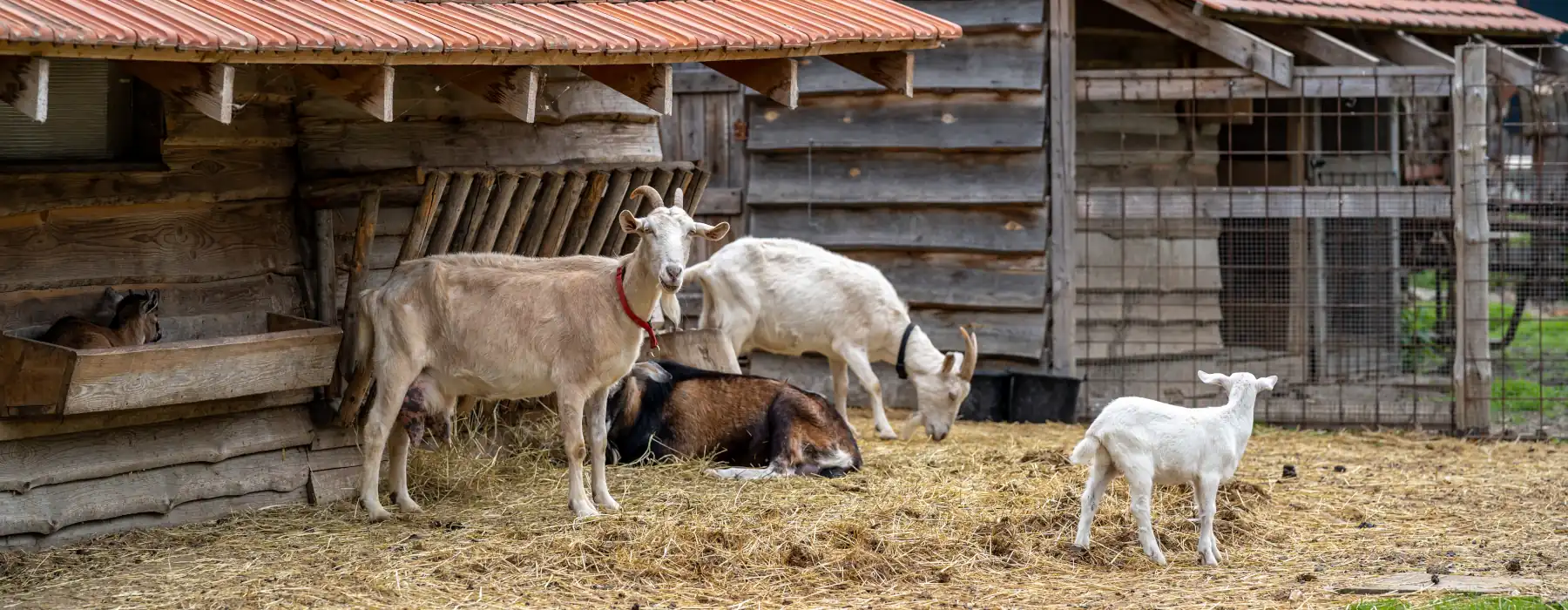
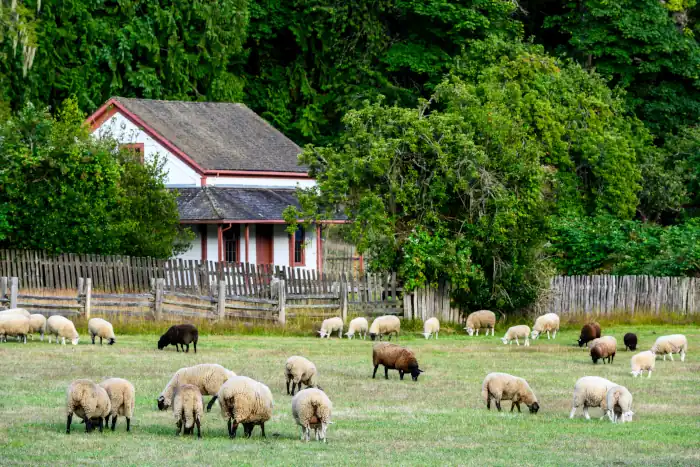
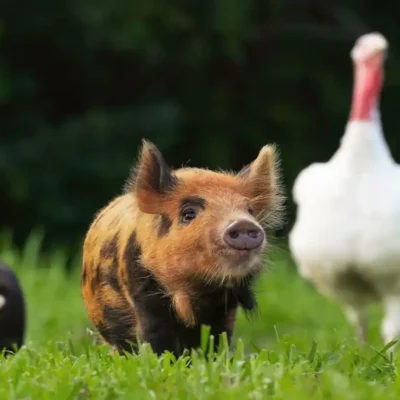
Let’s break it down simply: an animal farm is a type of agricultural setup where animals are raised for food, work, or other products, and that includes livestock like cows, pigs, sheep, and goats—basically, most four-legged animals you think of when someone says “farm.” But here’s the cool part: it’s not just those animals.
Depending on where the farm is and what it specializes in, you might find horses, donkeys, mules, and in some places even snakes, snails, or worms, while some farms keep buffalo, llamas, or even camels, especially outside Western countries. The animal lineup is really shaped by climate, land, and the needs of the people.
Animal Farm vs. Other Farms – What’s the Deal?
You might be thinking, what’s the difference between an animal farm and a crop farm? It’s actually pretty straightforward, and while crop farms grow food like corn or wheat, animal farms focus on raising animals, which often means a lot more hands-on work, because animals need feeding, shelter, and medical care daily, not just during certain seasons.
There are also mixed farms that do both—like having cattle grazing on pastures while growing hay or grains nearby. That way, the farm becomes kind of a self-sufficient little world.
Do Farmers Sell Animals? Yeah, They Do!
One big part of how animal farms make money is by selling the animals they raise. Sometimes that means selling cattle to meat processing companies, or goats and sheep for their milk, meat, or wool. In some cases, farmers sell breeding animals or even composting worms (which is cooler than it sounds). Farmers might also make income from animal by-products like manure, leather, or fiber.
If you’re interested in learning about how these products turn into income streams, this is where you could check out some sustainable farming gear or livestock management tools.
Are Horses Really on an Animal Farm?
Yes! Horses are absolutely part of many animal farms, especially on ranches or more traditional farms. They can be used for transportation, herding other animals, or simply for recreation, and horses require care similar to that of other large animals. And many farms offer riding lessons, breeding services, or even horse boarding to help cover their upkeep.
Some farms also include donkeys and mules, which are especially handy for carrying loads and navigating hilly or rough terrain.
Livestock: The Soul of the Farm
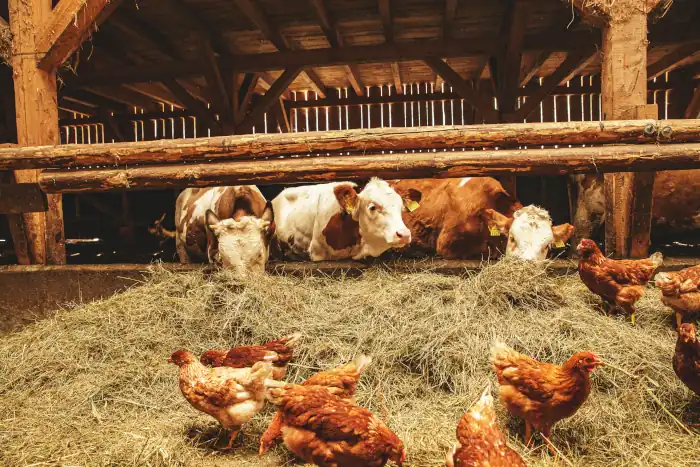
When we say livestock, we’re talking about the classic farm animals—like cows, pigs, sheep, and goats—but again, it can go way beyond that. Livestock is anything raised for a purpose. In Western farms, you’ll mostly see the usual suspects, but in other parts of the world, llamas, camels, buffalo, and even oxen are the stars of the show.
It’s amazing how animals adapt to different climates and cultures, right?
What About Poultry?
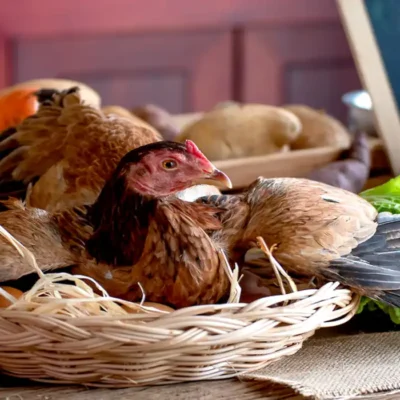
Here’s the twist—poultry (like chickens, ducks, and turkeys) technically fall into a different category than livestock. So while many animal farms do raise birds, they’re usually labeled as “poultry farms.” But on small or family-owned farms, you’ll often find everything mingling together. One backyard might have chickens, goats, pigs, and even a few sheep all living their best lives.
Wait, Did You Say Worms and Snails?
Yep! In some farming cultures, especially in Asia and Africa, animals like worms, snails, and even insects are raised for food or composting, and worm farming is actually growing in the U.S. too, because worms help create nutrient-rich soil, which is gold for gardeners and organic farmers. It’s proof that animal farming isn’t just about cows and pigs anymore. And hey, if you’re curious, you could even try a beginner worm farm kit (AFFILIATE LINK).
Farming Around the World – Not One Size Fits All
One of the coolest parts of learning about animal farms is realizing how different they look depending on where you are. In the U.S., cattle and pigs are big, but in Italy, India, buffalo are common, but in parts of Africa, camels rule the land, and in the Andes, llamas and alpacas help carry goods and provide wool, because farming traditions are deeply tied to local needs, weather, and history.
How Animal Farms Are Changing Today
Modern animal farms are becoming more tech-savvy and sustainable, and more farmers are using solar panels, automated feeding systems, and even apps to track animal health. There’s also a growing interest in ethical farming, which focuses on treating animals kindly, letting them roam freely, and avoiding overcrowded barns.
Even small farms are adapting. Backyard hobby farms are popping up in suburban areas, where people raise a few chickens or goats for fun or fresh food.
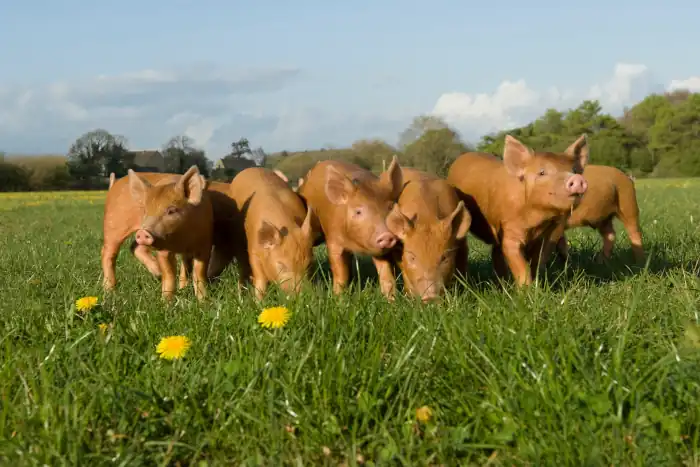
Final Considerations on Animal Farms
What is an animal farm?
An animal farm is a place where animals are raised for food, work, or other products like milk, wool, or leather.
Do farmers sell animals?
Yes, most animal farms sell animals or their products to earn money. This includes meat, dairy, wool, and sometimes even manure.
What animals are usually on an animal farm?
Cattle, pigs, goats, sheep, horses, donkeys, mules, and sometimes worms, snails, or camels, depending on the region.
Is poultry part of animal farming?
Not technically. Poultry like chickens and ducks are considered a separate category, although many farms raise both.
Why are some farms so different from others?
The animals on a farm depend on the climate, culture, and purpose of the farm—what works in one country might not work in another.
So, What Can We Learn from Animal Farms?
If you’ve ever wanted to connect with nature, learn how food is made, or take care of animals, an animal farm is where it all begins. It’s not always glamorous, but it’s definitely grounding, and knowing more about how farms work helps us understand where our food comes from—and how we can support ethical and sustainable choices.
Thinking about starting your own small backyard animal farm, or want to visit one? Check out our favorite beginner gear and farm experiences here (AFFILIATE LINK).
Ready to Explore Animal Farming for Yourself?
Whether you’re just curious or seriously thinking about future farm life, start by learning more, visiting local farms, and maybe even helping out at one. The world of animal farms is huge, surprising, and full of lessons that can last a lifetime.
Curated Suggestions for products and More.
Curious about starting a small animal farm or supporting ethical farming practices? Dive deeper with our recommended tools, books, and starter kits today your animal farm adventure could begin right in your backyard!
Product Tips
-
Electrostatic Brush Pet Hair Removal Mitts Rollers Reusable
Original price was: $10.51.$5.25Current price is: $5.25. -
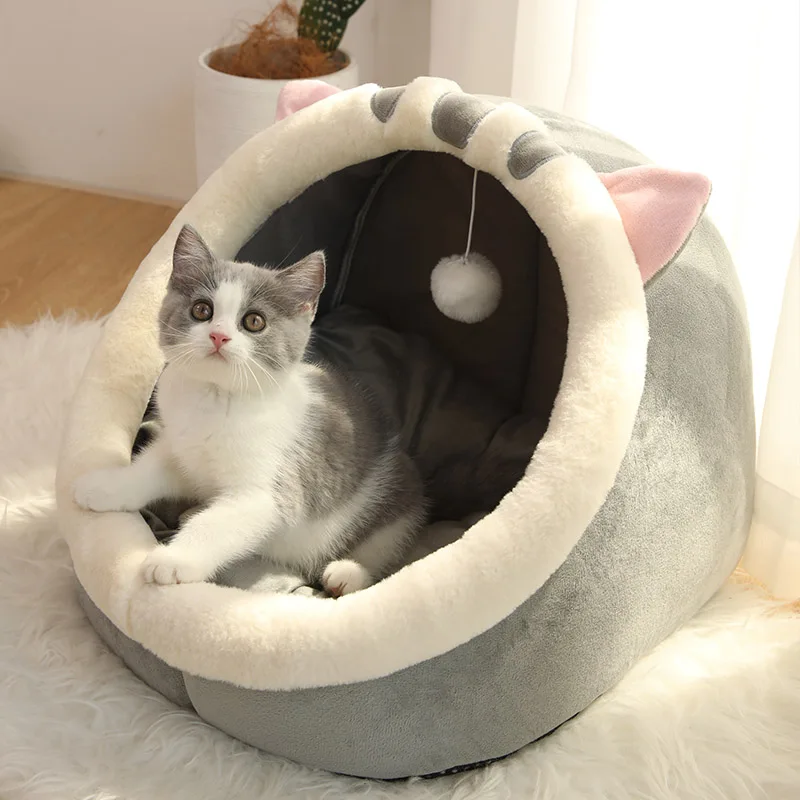
Pet Deep Sleep Small Dog Cat Bed Washable Removable
Original price was: $26.52.$8.45Current price is: $8.45.

Disclosure: This site participates in various affiliate programs, including Amazon Services LLC Associates, eBay Partner Network, AliExpress Affiliate Program, and others. This means we may earn a commission on qualifying purchases made through links on this site, at no additional cost to you.
New Posts
- The Fascinating World of Exotic Pets You Can Legally Own
- Pet Environment Safety: A Happier, Greener Life for Animals and People
- The Exciting World of Reptile Spring Awakening
- The Joyful Return of Wings: Understanding Butterfly Spring Reproduction
Categories
Tags
animal conservation animal protection animal welfare cat grooming tips cat mental health Cats Health cat training dog behavior dog grooming Dog travel tips farm animal care farm animals farmyard animals Rabbit Care Tips working animals
Share: