
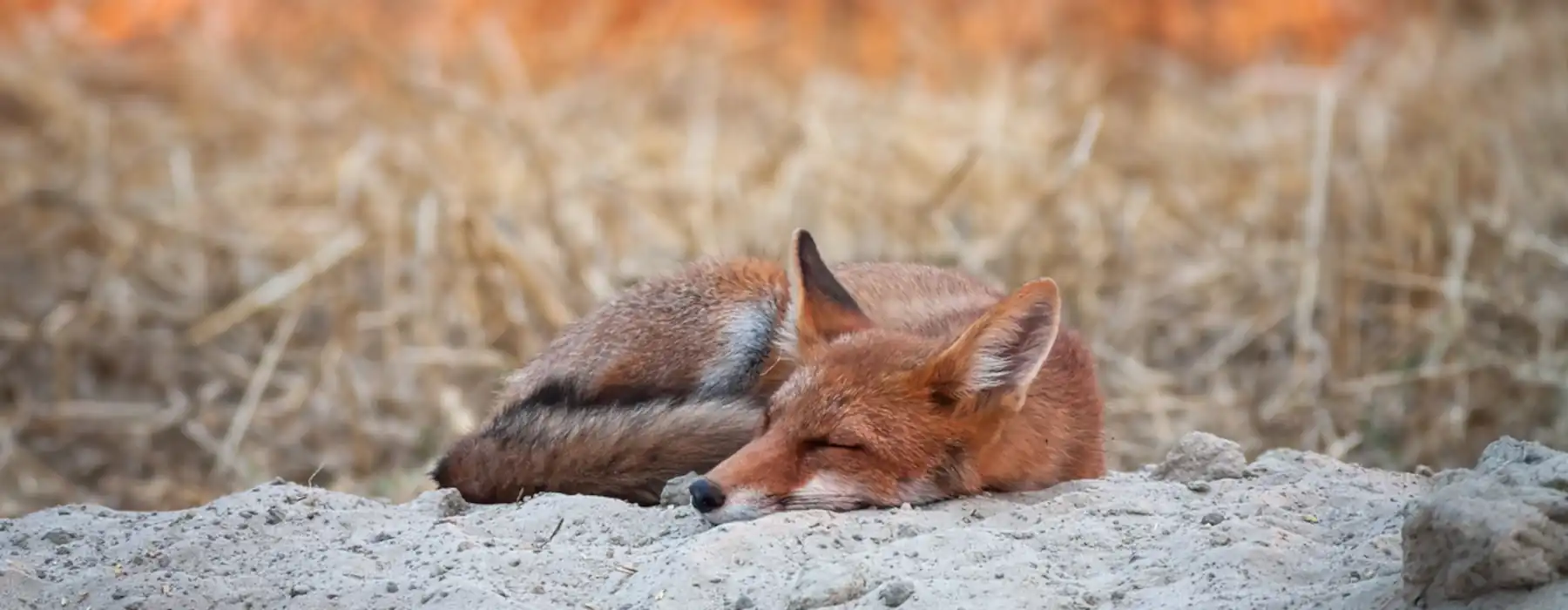
Amazing Facts About How Animals Sleep!
Why “Animals Sleep” Is Cooler Than You Think
Animals sleep in ways that are way more fascinating than just curling up in a cozy spot. From sleeping while standing to resting with one half of their brain, animals have developed some wild sleep habits that help them survive in different environments. Whether you’re a curious teen, an animal lover, or just wondering why your cat suddenly zooms at 3 AM, this guide will totally change the way you think about animal sleep.
Just like us, animals need rest to stay healthy. But how they sleep—and when—can vary depending on whether they’re diurnal, nocturnal, crepuscular, or even cathemeral (yeah, that’s a real word!).
Let’s dive into the dreamy (and sometimes weird) world of animal sleep.
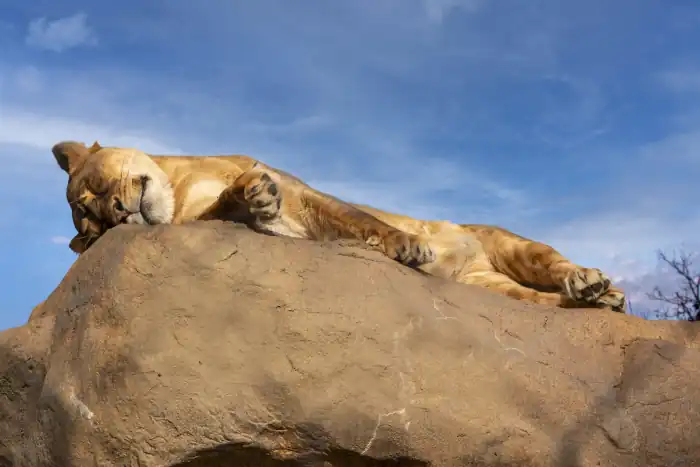
Diurnal Animals: Daytime Dreamers
Diurnal animals are like most humans—they’re active during the day and sleep at night. Animals like butterflies, squirrels, bees, and most birds follow this pattern. They use sunlight to find food, avoid predators, and carry out their everyday animals activities.
Their sleep happens at night when it’s safer and quieter. These animals usually find a hidden or camouflaged spot to rest—like a bird’s nest or a squirrel’s tree hollow. This is where animals camouflage day and night becomes super useful. Being able to blend into their environment helps them sleep peacefully without becoming someone’s dinner.
Nocturnal Animals: Creatures of the Night
On the flip side, nocturnal animals like owls, bats, and raccoons are totally night owls; they sleep during the day and come alive after dark. Their vision, hearing, and sense of smell are often way more developed to help them hunt, navigate, and avoid danger when it’s dark.
When nocturnal animals sleep during the day, they also rely on animal camouflage to keep themselves hidden. Owls, for example, blend into tree bark or dense leaves; this clever sleeping strategy is all about safety and survival.
Crepuscular Animals: Twilight Wanderers
Crepuscular animals are most active during the magical hours of dawn and dusk, when light levels are low but not pitch black. Think deer, bears, skunks, hamsters, and even house cats. If your cat goes wild in the early morning or right after sunset, it’s not being weird—it’s just being crepuscular!
Sleeping during the brightest parts of the day and deepest parts of the night helps these animals avoid predators and extreme temperatures, especially in hot climates.
Cathemeral Animals: Wild Cards of the Sleep World
Then there are cathemeral animals, who do their thing on and off—day or night, depending on what they need. Red pandas and some primates fall into this category. They might take a nap in the afternoon and be active again at midnight. Their animals sleep patterns are flexible, depending on food, safety, or weather.
Being cathemeral gives animals a survival edge. They’re unpredictable, which makes them harder to hunt or compete with.
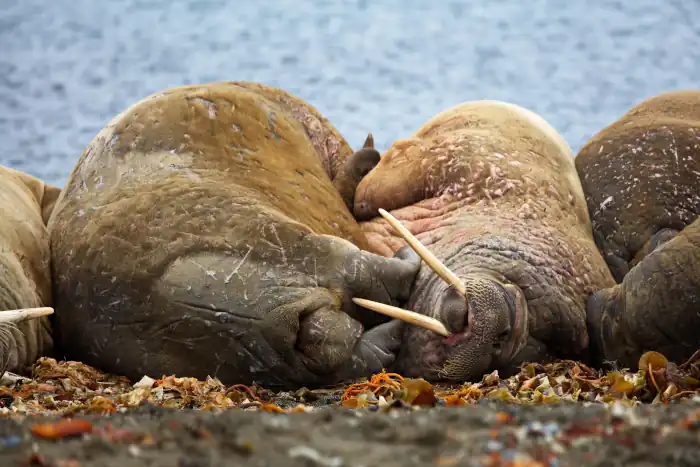
Unique Animal Sleep Habits That Will Blow Your Mind
Animal sleep isn’t just about timing—it’s about style too. Some sleep standing, others sleep with one eye open. Check out these next-level animals sleep habits:
Standing Sleep: Because Lying Down Takes Time
Some animals like horses, giraffes, and elephants can sleep while standing. This helps them stay alert and ready to escape if danger shows up; their legs lock in place so they don’t fall over, and they do lie down sometimes for deep sleep, but it’s usually only for short sessions.
Half-Brain Sleep: Genius Mode Activated
Dolphins and some birds experience unihemispheric slow-wave sleep, also known as half-brain sleep. They rest one side of their brain at a time while the other half stays awake, and that way, they can keep swimming, breathing, and watching for predators. It’s like sleeping with one eye open—literally.
Polyphasic Sleep: Nap All Day, Nap All Night
Some animals follow polyphasic sleep, where they take lots of short naps instead of one big sleep. Giraffes are a great example—they only sleep for about 2 hours a day, broken into tiny 5–15 minute bursts. Meanwhile, koalas can snooze for up to 22 hours a day. That’s living the dream!
These different sleep styles show how animals sleep has adapted over time to match their needs, environments, and survival strategies.
Camouflage During Sleep: Nature’s Pajamas
When it comes to animals camouflage, it’s not just about hunting, but many animals use their camo skills to hide during sleep. Diurnal animals might find shaded trees or burrows, while nocturnal ones blend into rocky or forested areas during the day.
Animals camouflage day and night is an essential trick for avoiding predators. A curled-up hedgehog or a perfectly still owl can be nearly invisible when it’s resting. This natural invisibility cloak helps animals rest without constantly looking over their shoulder.
Baby Animals and Sleep: The Youth Nap Club
Just like human babies, young animals sleep a lot, and their little bodies and brains are still growing, so they need more rest. Puppies, kittens, and baby bears can sleep most of the day, and it’s not laziness—it’s biology doing its job.
Animal Sleep Patterns vs. Human Sleep
You might think humans have weird sleep habits (looking at you, midnight snackers), but compared to the animal kingdom, we’re pretty boring. While we usually get one long stretch of rest, animals have crazy, diverse sleep styles. Some don’t sleep at all for days (like newborn dolphins), and others snooze nearly their entire lives (hi, koalas!).
That’s why it’s so fascinating to learn about how animals sleep—because no two species are the same.
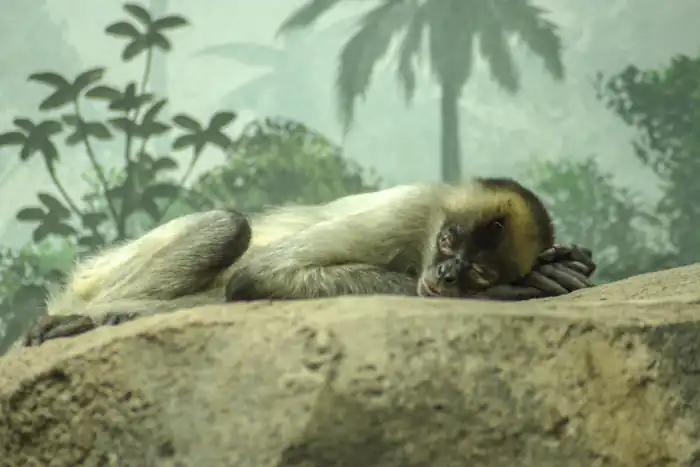
Animals Sleep in the U.S. vs. the Rest of the World
Here, it gets interesting. Different animals sleep in different ways, taking local environmental conditions into account. Wildlife of the United States, such as deer, raccoons, skunks, and bears, will often work crepuscular and nocturnal hours patterns for avoiding the heat of the day or human activities. Camouflage is crucial, generally in mixed forest and suburban areas.
In other parts of the world, animals have adjusted to different threats and climates. For instance, in tropical forests, polyphasic sleep helps creatures stay alert in a dense predator-rich area. In Arctic regions, daylight cycles can stretch for months, totally flipping animals’ sleep patterns.
So, while animals sleep everywhere, their sleep patterns, habits, and camouflage depend a lot on where they live—and what they need to survive.
Final Thoughts: Why Understanding Animals Sleep Matters
Animals sleep in ways that are deeply tied to their survival, from diurnal daytime naps to wild half-brain sleep tricks. Whether it’s camouflage, sleeping upright, or taking dozens of mini naps a day, every species has figured out how to rest safely in its own way.
Learning about how animals sleep helps us appreciate how smart nature is—and how flexible life can be. It also shows just how much variety there is between animals in the U.S. and around the world. From the deserts of Arizona to the jungles of the Amazon, animals are doing their best to stay safe, stay hidden, and get some quality sleep.
If you’re fascinated by animal behaviors and want to explore even more cool adaptations, check out some of our recommended nature documentaries, wildlife trackers, or animal-themed sleep gear (AFFILIATE LINK).
Ready to Dive Deeper into the Animal Kingdom?
If you’re curious to learn more or want cool tools to help spot nocturnal animals or track sleep behavior in your pets, check out our top product picks (AFFILIATE LINK). Whether it’s for school, a hobby, or just for fun—there’s something awesome waiting to be discovered.
Product Tips
-
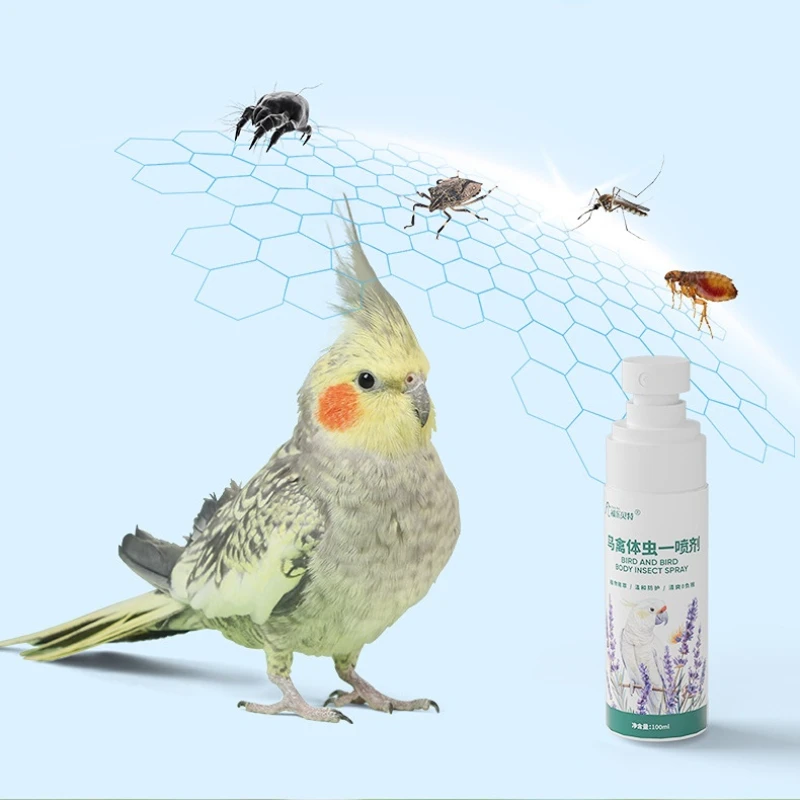
Bird insect repellent feather lice mites 100ml parrot supply
Original price was: $19.87.$6.95Current price is: $6.95. -
XL 60/50CM Stainless Steel cat Litter Box with Lid High Side
Original price was: $159.99.$49.80Current price is: $49.80.

Disclosure: This site participates in various affiliate programs, including Amazon Services LLC Associates, eBay Partner Network, AliExpress Affiliate Program, and others. This means we may earn a commission on qualifying purchases made through links on this site, at no additional cost to you.
New Posts
- The Fascinating World of Exotic Pets You Can Legally Own
- Pet Environment Safety: A Happier, Greener Life for Animals and People
- The Exciting World of Reptile Spring Awakening
- The Joyful Return of Wings: Understanding Butterfly Spring Reproduction
Categories
Tags
animal conservation animal protection animal welfare cat grooming tips cat mental health Cats Health cat training dog behavior dog grooming Dog travel tips farm animal care farm animals farmyard animals Rabbit Care Tips working animals
Share: