
Hopeful Roots: Livestock Farming Growing a Better Food Future Together
Livestock Farming as the Heart of Sustainable Agriculture Integration
Sustainable agriculture is no longer a distant idea or a niche movement. Across the United States, farmers, ranchers, and everyday consumers are rethinking how food is grown, raised, and shared. At the center of this shift stands livestock farming, not as an isolated activity, but as a living, breathing part of a balanced agricultural system. When animals are thoughtfully integrated into farms, they help restore soils, support ecosystems, and create food systems that feel both resilient and deeply human.
For many Americans, livestock farming still brings to mind wide-open ranches, dairy barns at sunrise, or flocks of chickens scratching in the dirt. Yet today, it is also closely tied to innovation, environmental care, and community well-being. Sustainable agriculture that integrates animals is about working with nature rather than against it, using time-tested practices updated with modern understanding.
The Living Connection Between Crops and Livestock
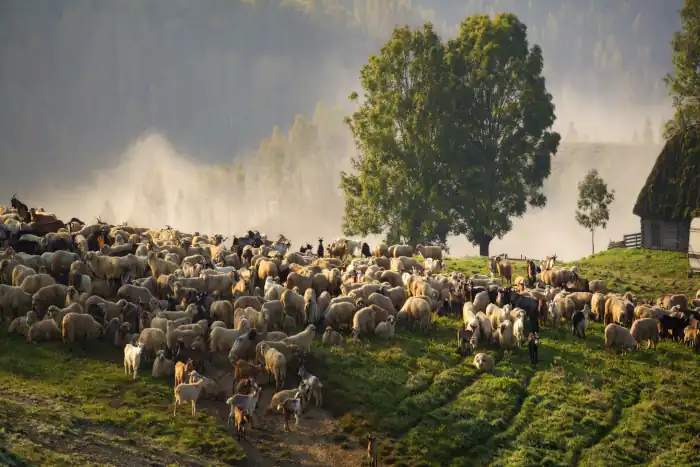
At its core, livestock farming within sustainable agriculture relies on integration. Crops and animals are raised on the same land, supporting one another in a natural cycle. Manure fertilizes crops, crops feed animals, and nutrients remain on the farm instead of being lost. This closed-loop system mirrors how ecosystems function in the wild, where nothing is wasted and every element has a role.
This crop-livestock integration reduces reliance on synthetic fertilizers and chemical inputs. Fields planted with cover crops or perennial forages provide nutritious feed for animals while protecting the soil. In return, animals return organic matter and nutrients to the land, building healthier soils year after year. Over time, this approach improves yields while lowering costs, making livestock farming both practical and sustainable.
Soil Health: The Quiet Foundation of Every Farm
Healthy soil is the unsung hero of agriculture. In sustainable livestock farming, animals are partners in soil restoration. Through managed grazing, hooves gently break up compacted soil, improving water infiltration and aeration. Manure adds organic matter that feeds beneficial microbes, increasing soil fertility and structure.
As soil organic matter grows, farms become more resilient to droughts and heavy rains, two challenges U.S. farmers face with increasing frequency. Fields hold water longer during dry spells and drain better during storms. Over time, soils rich in carbon help mitigate climate change by capturing and storing atmospheric carbon. In this way, livestock farming becomes part of the climate solution rather than a contributor to the problem.
Biodiversity Builds Stronger Farms
Diversity is strength in nature, and sustainable livestock farming embraces this principle fully. Farms that integrate diverse forage species, perennial crops, and even trees create habitats for insects, birds, and wildlife. These living systems are more resilient to pests and disease, reducing the need for chemical treatments.
Agroforestry and silvopasture take this idea further by combining trees, forage, and livestock on the same land. Trees provide shade and shelter for animals, improving comfort and reducing heat stress. Their roots stabilize soil and improve water retention, while leaves and branches can even provide additional forage. The result is a landscape that feels alive, balanced, and productive in multiple ways.
Resource Efficiency Through Natural Processes
One of the most powerful advantages of integrated livestock farming is resource efficiency. Instead of relying heavily on off-farm inputs like synthetic fertilizers and pesticides, sustainable systems harness natural processes already at work. Nutrient cycling becomes a daily reality as manure returns nitrogen, phosphorus, and potassium to the soil.
This efficiency lowers costs for farmers and reduces pollution in nearby waterways. When nutrients stay on the farm, there is less runoff into rivers and lakes, protecting drinking water and aquatic ecosystems. For U.S. communities concerned about environmental health, this approach to livestock farming offers real, measurable benefits.
- 1-48 of 785 results for "goat food"
- 1-48 of over 10,000 results for "chicken feed"
- 1-48 of 329 results for "sweet feed"
- 1-48 of over 7,000 results for "duck food"
- 1-48 of over 1,000 results for "goat feed"
- 1-48 of 254 results for "deer corn"
- 1-48 of over 5,000 results for "whole oats bulk"
- 1-48 of 441 results for "cattle feed"
Animal Welfare as a Core Value
Sustainable livestock farming places animal welfare at the center of decision-making. Animals raised in integrated systems often live in environments that allow natural behaviors such as grazing, rooting, and social interaction. This humane treatment supports stronger immune systems and lowers stress, reducing the need for antibiotics.
In the U.S., where consumers are increasingly aware of how food is produced, animal welfare matters deeply. Farms that prioritize health and humane care build trust with their communities. Better living conditions also translate into higher-quality products, from richer milk to more flavorful meat, reinforcing the connection between ethics and quality.
Rotational Grazing: Letting the Land Recover
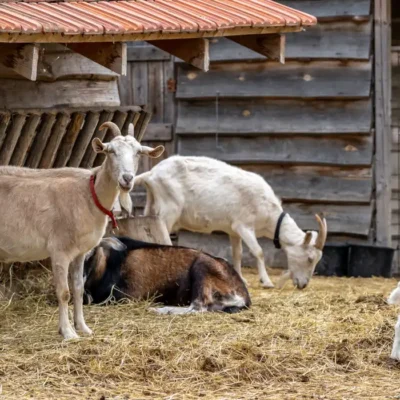
Rotational or managed grazing is a cornerstone of sustainable livestock farming. Animals are moved frequently between pastures, giving grasses time to recover and regrow. This simple shift prevents overgrazing and encourages deeper root systems, which improve soil structure and carbon storage.
Over time, rotational grazing transforms tired pastures into vibrant, productive landscapes. It also spreads manure evenly, enhancing nutrient cycling without concentrated waste. For many U.S. ranchers, this practice has revitalized land once thought exhausted, proving that thoughtful livestock farming can heal as well as produce.
Multi-Species Farming: Each Animal Has a Role
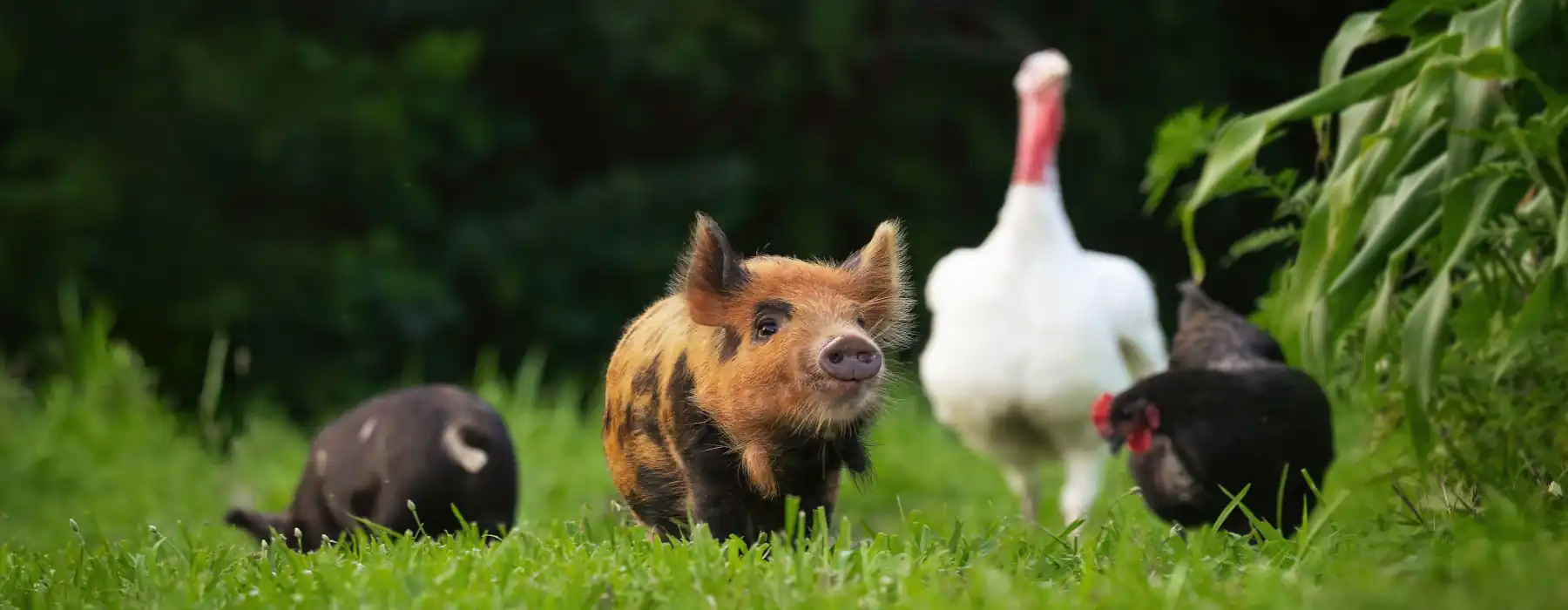
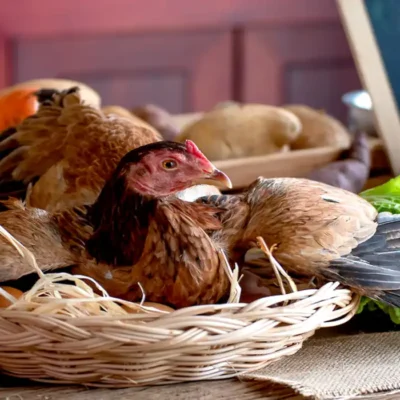
In integrated systems, different animals perform different ecosystem functions. Chickens scratch and control pests, pigs turn soil and incorporate organic matter, and cattle graze grasses that humans cannot digest. This multi-species farming approach mimics natural ecosystems, where each species contributes to overall balance.
By diversifying livestock, farmers spread economic risk and improve land health at the same time. If one market fluctuates, another may remain stable. This adaptability strengthens farm resilience, a crucial advantage in today’s unpredictable agricultural economy.
Manure Management as a Valuable Resource
In sustainable livestock farming, manure is not waste. It is a resource. Thoughtful manure management turns animal waste into a powerful natural fertilizer that enriches soil and supports crop growth. Composting and controlled application prevent nutrient loss and odors while maximizing benefits.
This approach reduces dependence on synthetic fertilizers, lowering costs and environmental impact. It also reconnects farmers with the natural cycles that have supported agriculture for generations, reinforcing the idea that livestock farming works best when aligned with ecological rhythms.
Local and Native Breeds for Regional Success
Choosing animals suited to local climates is another key to sustainable livestock farming. Native and heritage breeds often thrive on regional forage and withstand local weather extremes better than highly specialized breeds. This reduces the need for intensive inputs and medical interventions.
Across the U.S., interest in local breeds is growing, driven by farmers who value resilience and adaptability. These animals connect agriculture to regional identity, preserving genetic diversity while supporting sustainable production.
The Broader Benefits of Integrated Livestock Farming
The benefits of sustainable livestock farming ripple outward. Environmentally, it builds soil, conserves water, enhances biodiversity, and reduces pollution. Economically, it diversifies income streams, stabilizes production, and lowers input costs. Socially, it strengthens local food systems, improves animal welfare, and supports community health through access to nutritious food.
Livestock farming also fulfills its timeless purpose: producing meat, dairy, eggs, wool, and leather for human use. Daily activities such as feeding, breeding, milking, and animal care become acts of stewardship when guided by sustainable values. Whether on a ranch, dairy farm, or poultry operation, integrated systems show that productivity and responsibility can coexist.
Livestock Farming in the U.S. and Beyond
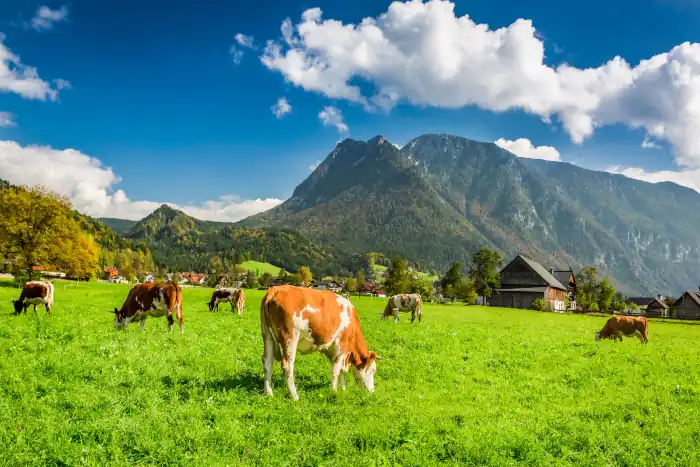
In the United States, sustainable livestock farming is gaining momentum through regenerative agriculture movements, university research, and farmer-led innovation. Yet globally, many regions have practiced integrated farming for centuries. In parts of Africa, Asia, and Europe, pastoral farming and mixed systems remain deeply rooted in culture and tradition.
The difference often lies in scale and policy. While U.S. farms may benefit from advanced technology and research, smaller farms worldwide rely on local knowledge and community cooperation. Both approaches offer valuable lessons. When shared across borders, they remind us that livestock farming is not just an industry, but a shared human story shaped by land, animals, and care.
A Moment to Reflect and Act
Sustainable livestock farming invites us to see food not as a commodity alone, but as a relationship between people, animals, and the land. Whether you are a farmer, a student, or a conscious consumer, your choices matter. Supporting farms that integrate animals responsibly helps build a future where agriculture nourishes both the earth and the communities who depend on it. Take a moment to reflect on where your food comes from—and how your everyday decisions can support a healthier, more hopeful food system.
Curated Suggestions for products and More.
Thinking about adding a new member to your family? Visit your local shelter, meet the dogs, and take the leap. When you choose adoption, you’re not just getting a pet—you’re gaining a lifelong friend. Ready to start your adoption journey? Explore trusted adoption centers near you to prepare for your new best friend!
Consideration
If this vision of livestock farming resonates with you, consider learning more about local farms, supporting sustainable producers, or simply sharing this perspective with others. Small actions, when multiplied, can help grow a food system rooted in respect, balance, and hope.
Disclosure: This site participates in various affiliate programs, including Amazon Services LLC Associates, eBay Partner Network, AliExpress Affiliate Program, and others. This means we may earn a commission on qualifying purchases made through links on this site, at no additional cost to you.
New Posts
- The Fascinating World of Exotic Pets You Can Legally Own
- Pet Environment Safety: A Happier, Greener Life for Animals and People

- The Exciting World of Reptile Spring Awakening
- The Joyful Return of Wings: Understanding Butterfly Spring Reproduction

Categories
Tags
animal conservation animal protection animal welfare cat grooming tips cat mental health Cats Health cat training dog behavior dog grooming Dog travel tips farm animal care farm animals farmyard animals Rabbit Care Tips working animals
Share: