
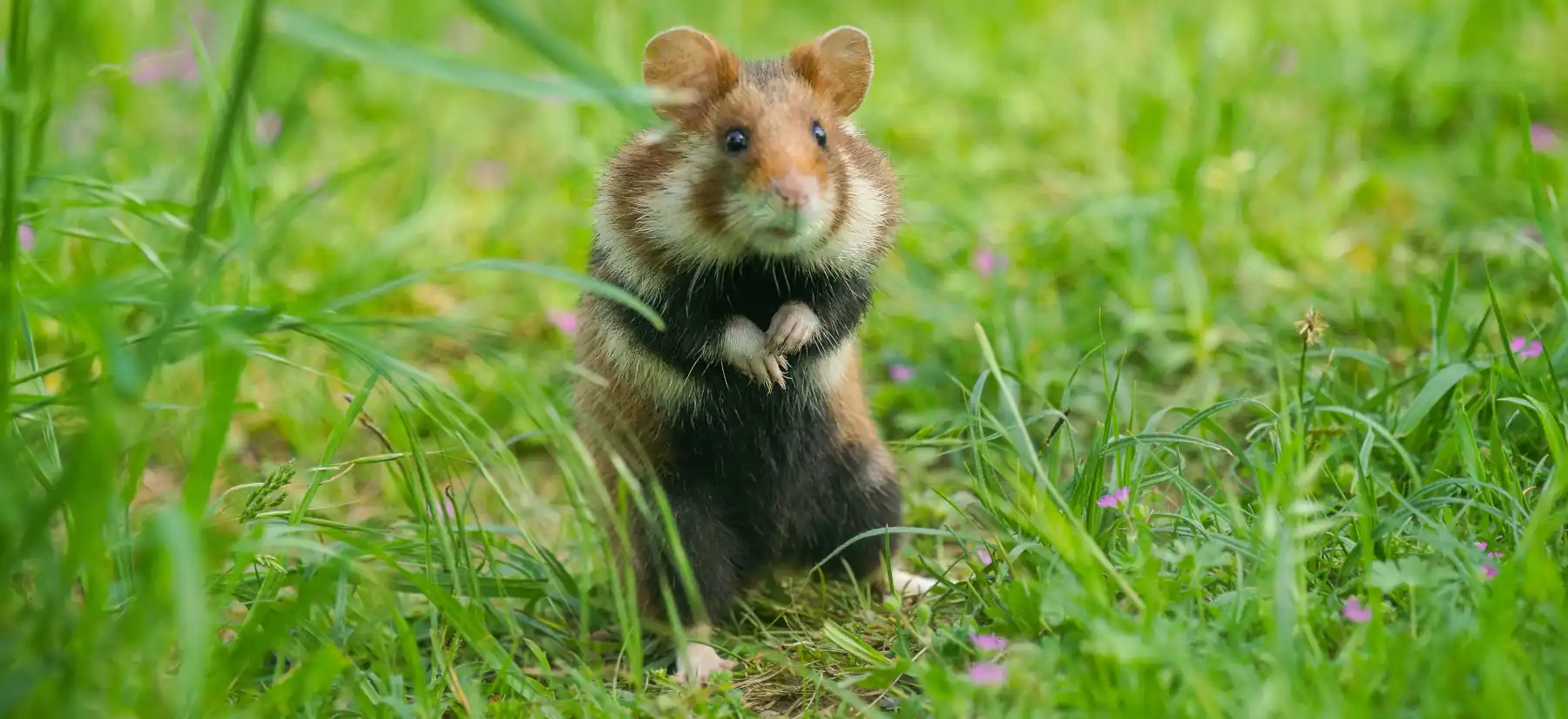
Hamster Pet: The Joy of Choosing a Tiny Companion
Hamster Pet Care: Why This Small Friend Makes a Big Difference
Bringing a Hamster Pet into your life often starts with curiosity and ends with genuine affection. These tiny animals have a way of quietly fitting into daily routines, offering comfort, fascination, and a sense of responsibility without overwhelming their owners. For many households across the United States, hamsters represent the perfect balance between companionship and independence. They are small, approachable, and surprisingly full of personality, making them one of the most popular small pets in American homes.
What truly sets a Hamster Pet apart is how adaptable it can be to modern lifestyles. Whether you live in a suburban house or a city apartment, hamsters thrive in compact environments when their needs are understood and respected. They don’t demand constant attention, yet they reward gentle care with trust, curiosity, and entertaining behaviors that never seem to get old.
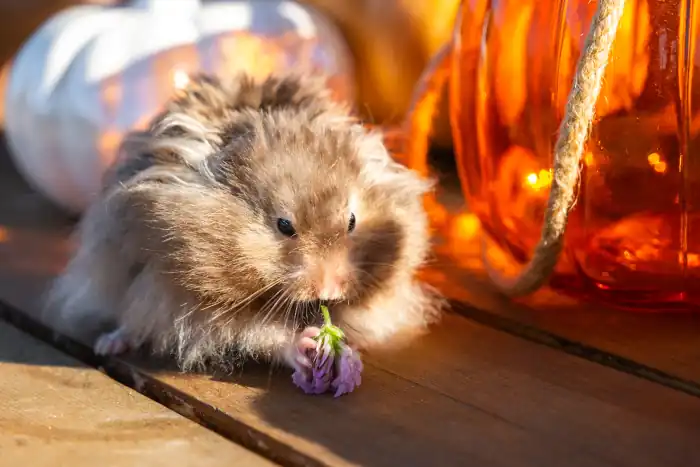
Why a Hamster Pet Feels Like the Right Choice
A Hamster Pet is often described as easy to care for, and while that’s mostly true, it’s important to understand what “easy” really means. Compared to dogs or cats, hamsters don’t require outdoor walks, extensive training, or large living spaces. They are content with a well-designed cage, a balanced diet, and consistent but gentle interaction.
In American households, especially those with busy schedules, hamsters fit naturally into daily life. They are independent enough to be left alone during work or school hours, yet engaging enough to feel like a real companion. Watching a hamster explore its habitat, stash food, or run endlessly on a wheel can be surprisingly calming after a long day.
Understanding the Nature of a Hamster Pet
Hamsters are often misunderstood because of their size. People assume that being small means being simple, but a Hamster Pet has instincts, preferences, and moods that deserve attention. Hamsters are naturally clean animals. They groom themselves frequently and instinctively try to keep their sleeping area tidy, which often surprises first-time owners.
This leads to one of the most common questions new owners ask: Do hamsters make your room smell? The honest answer is that a well-cared-for hamster rarely causes strong odors. Smells usually come from a dirty cage, not from the animal itself. Since hamsters eat, sleep, poo, and wee in a confined space, neglecting cleaning routines can allow odors to build up. However, with regular spot cleaning and proper bedding, odor issues are minimal.
How to Stop a Hamster Cage from Smelling Naturally
Learning how to stop a hamster cage from smelling is an essential part of responsible ownership. Aroma care solutions don’t mean artificial fragrances; they mean smart habits. Using absorbent bedding, removing soiled areas daily, and doing a full cage clean weekly helps keep the environment fresh. Proper ventilation also plays a big role, which is why spacious cages with airflow are preferred over small plastic enclosures.
It’s worth remembering that hamsters are not dirty animals. In the wild, scent control helps them avoid predators, so grooming is instinctual. When a cage smells, it’s often a sign that the habitat needs adjustment rather than a reflection of the hamster itself.
What a Hamster Pet Needs to Be Happy
Happiness for a Hamster Pet goes beyond food and water. Hamsters need stimulation, safety, and opportunities to express natural behaviors. Exercise is especially important. A solid-surface wheel allows them to run without injuring their feet, while tunnels and chew toys keep their minds active.
Out-of-habitat time is another key factor. Giving your hamster supervised playtime in a safe, enclosed area allows for exploration and bonding. This kind of interaction builds trust and helps your hamster feel secure in its environment.
Handling and Daily Interaction with a Hamster Pet
Many owners wonder, can I touch my hamster every day? The answer is yes, but with respect. Daily interaction helps build familiarity, yet timing matters. Hamsters are nocturnal or crepuscular, meaning they are most active in the evening or early morning. Handling a hamster while it’s sleeping can cause stress and lead to defensive biting.
Once hand-tamed, most hamsters enjoy gentle handling. This process takes patience, especially for hamsters from pet stores that may not be used to human contact. Treats, calm movements, and consistency are the foundation of trust.
- Sofier 40Pcs Timothy Hay Sticks 380g for Rabbit, Guinea Pig, Hamster -…
- 1-48 of over 7,000 results for "hamster toys"
- 1-48 of over 7,000 results for "hamster toys"
- 1-48 of over 7,000 results for "hamster toys"
- 1-48 of over 4,000 results for "hamster food"
- 1-16 of over 10,000 results for "guinea"
- 1-48 of over 4,000 results for "guinea pig toys"
- 1-48 of over 10,000 results for "bunny toys"
Do Hamsters Bite or Scratch? Understanding Behavior
A Hamster Pet may bite for specific reasons, and it’s rarely out of aggression. Fear, surprise, or lack of taming are the most common causes. When a hamster bites, it’s communicating discomfort. Learning to read body language, such as freezing or backing away, helps prevent negative interactions.
Children, in particular, need guidance when handling hamsters. Sudden movements or loud noises can startle them. This is why adult supervision and education are so important in family homes.
Is Two Better Than One for a Hamster Pet?
Another frequent question is, is 2 hamsters better than 1? While it may seem kinder to give a hamster a companion, most species prefer solitude. Syrian hamsters are strictly solitary, and even dwarf hamsters, which may tolerate others briefly when young, often become territorial as they mature.
Housing hamsters separately reduces stress and prevents sudden fights, which can be distressing for both pets and owners. A single hamster with proper care and interaction lives a calmer, healthier life.
Nutrition and Health: Feeding a Hamster Pet Right
Understanding what do hamsters eat is essential for long-term health. A balanced diet includes high-quality rodent pellets, grains, seeds, and fresh vegetables like broccoli. Fresh water should always be available. Treats should be occasional, not a staple.
Diet directly affects health issues, including what is hamster weakness. Vitamin E deficiency in adult hamsters can lead to muscle weakness or even paralysis. Providing a varied, balanced diet helps prevent these problems. If a hamster appears lethargic or weak, consulting a veterinarian is always the best step.
Is a Hamster a Type of Rat or Mouse?
Many people ask, is hamster a type of rat? While hamsters, mice, and rats all belong to the rodent family, they are different genera. Hamsters belong to the subfamily Cricetinae, while rats belong to genera like Rattus. They may look similar at a glance, but their behaviors, needs, and temperaments differ significantly.
Understanding these differences helps owners set realistic expectations and provide better care for their Hamster Pet.
What I Wish I Knew Before Getting a Hamster Pet
Looking back, many owners say they underestimated how much daily attention hamsters need. While they are low-maintenance compared to larger pets, they still require consistent care. Daily spot cleaning, regular interaction, and patience during the taming process are non-negotiable.
Hamsters can also be territorial and occasionally moody. This makes them less ideal for very young children without supervision. Knowing this in advance helps families make informed decisions and ensures the hamster’s well-being.

Why a Hamster Pet Makes Sense in the U.S. Lifestyle
In the United States, hamsters are often chosen as starter pets, especially in urban or suburban settings. Their ability to thrive in smaller spaces aligns well with apartment living. Their quiet nature makes them suitable for shared housing, and their independence fits busy schedules.
Compared to other parts of the world where outdoor pets or farm animals are more common, the American lifestyle leans toward pets that adapt to indoor living. In many countries, hamsters are less common because cultural preferences favor cats, dogs, or birds. In contrast, the U.S. embraces the idea that companionship doesn’t have to be large or loud to be meaningful.
A Gentle Reflection Across Cultures
While a Hamster Pet is a popular choice in American homes, in other parts of the world hamsters are often viewed as niche or novelty pets. This contrast highlights how culture shapes our ideas of companionship. In the U.S., the hamster represents independence, adaptability, and quiet comfort. Globally, it reminds us that even the smallest animals can hold a big place in the right environment.
Conclusions.
If you’re considering welcoming a Hamster Pet into your home, take a moment to reflect on your lifestyle, your patience, and your willingness to learn. A hamster may be small, but the connection you build can be surprisingly meaningful. When cared for thoughtfully, this tiny companion can bring quiet joy, curiosity, and comfort into everyday life.
Product Tips
-
Electrostatic Brush Pet Hair Removal Mitts Rollers Reusable
Original price was: $10.24.$5.01Current price is: $5.01. -
Large Cat Tree and Tower for Indoor Cats
Original price was: $219.02.$73.97Current price is: $73.97.


Disclosure: This site participates in various affiliate programs, including Amazon Services LLC Associates, eBay Partner Network, AliExpress Affiliate Program, and others. This means we may earn a commission on qualifying purchases made through links on this site, at no additional cost to you.
New Posts
- The Fascinating World of Exotic Pets You Can Legally Own

- Pet Environment Safety: A Happier, Greener Life for Animals and People

- The Exciting World of Reptile Spring Awakening

- The Joyful Return of Wings: Understanding Butterfly Spring Reproduction

Categories
Tags
animal conservation animal protection animal welfare cat grooming tips cat mental health Cats Health cat training dog behavior dog grooming Dog travel tips farm animal care farm animals farmyard animals Rabbit Care Tips working animals

Share: