Animal Domestication is one of the most powerful forces that changed the way humans live, work, and even eat, just imagine life without dogs, cats, chickens, or horses. Hard to picture, right? That’s because the domestication of animals fundamentally altered human society, giving us not just loyal companions, but strong workmates, reliable food sources, and even tiny insects that helped create beautiful art and clothing.
From furry farm animals to buzzing bees, our relationship with animals has evolved over thousands of years. This story is about more than just pets—it’s about how humans and animals learned to live, work, and thrive together.
Share:
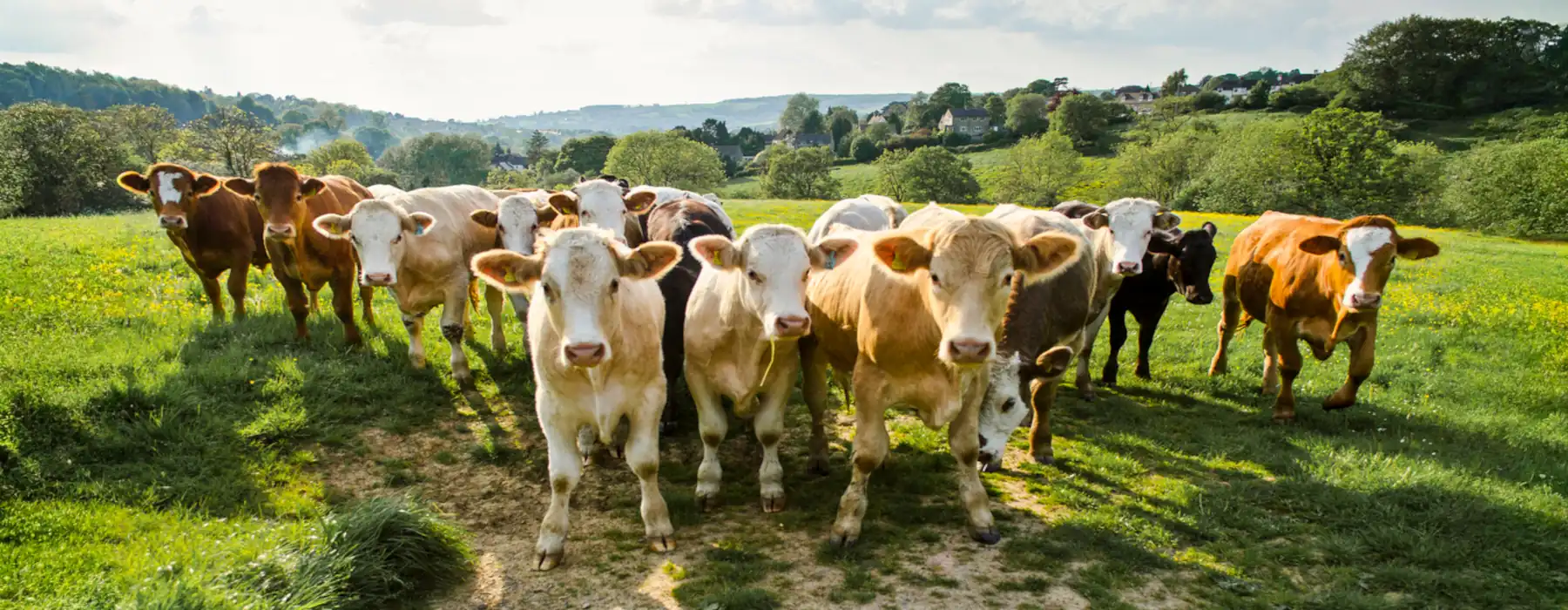
Herd of curious goats while grazing
Heartwarming Origins: Where Animal Domestication Began
Long before the internet or even cities existed, early humans started interacting with wild animals. Some animals, like dogs, followed humans around and eventually became part of the family. Others, like sheep, goats, and pigs, were hunted for food but slowly adapted to living around people, and then came animals like horses and donkeys, which were strong and fast—perfect for carrying loads or pulling carts.
This wasn’t a one-way street. Animals that were friendlier and easier to manage had a better chance of being fed, protected, and bred. Over time, these animals changed. They became less wild and more helpful. This process, called Animal Domestication, didn’t happen overnight. It was a long, natural partnership.
Today, we still see the impact of those early choices. Every time someone rides a horse, collects eggs from a chicken coop, or cuddles with their dog, they’re living proof of how deeply this human-animal bond runs.
Animal Labor: The Unsung Heroes of History
Not all domesticated animals were raised just for food or company. Many were trained to help with heavy work. This is known as Animal Labor. Think about oxen pulling plows, horses transporting people across long distances, or yaks climbing mountains with supplies on their backs.
Animals like water buffalo, llamas, and alpacas were vital in regions like Asia and South America. In colder climates, reindeer were used to carry goods and people through snowy landscapes. Without these animals, farming, travel, and even building civilizations would have been nearly impossible.
We often forget just how much these working animals contributed to human progress. They helped us grow food, build homes, and move across the planet. They were strong, reliable teammates—and still are in many places today.
You can even support ethical and sustainable gear for working animals by checking out products here (AFFILIATE LINK).
Buzzing Benefits: Beekeeping and Sericulture
It’s not just the big animals that changed history. Some of the smallest creatures made a huge difference, too.
Let’s talk about bees. These tiny buzzing workers have been domesticated for thousands of years. They give us sweet honey, beeswax for candles, and, more recently, help pollinate crops, which is essential for growing fruits and vegetables. Beekeeping is still a thriving practice across the world, both as a hobby and a way to support agriculture.
And then there’s the silkworm. Sericulturalists preparing silkworms for spinning the silk created stunning fabrics in ancient China. The soft silk thread is made from the cocoons of these little insects. That’s right—something so delicate and luxurious comes from a bug!
Just like bees, silkworms were carefully bred and raised by humans for their special talents. If you’re interested in starting a beekeeping kit or sericulture at home, you can find starter supplies here (AFFILIATE LINK).
The Unexpected Stars: Snails and Shellac Bugs
Bet you didn’t think snails and bugs would be part of this conversation, huh?
Well, in many cultures, snails are sold as food, and they’ve been farmed just like other animals. These little mollusks are a tasty delicacy in places like France and parts of Africa.
Then there’s the lac bug—yep, a bug! The lac bug Kerria lacca has been kept for shellac resin, a natural product used in wood polish, paints, and even food coatings. These tiny creatures have had a surprising role in our everyday lives.
This shows that Animal Domestication and Labor don’t just mean big animals. Even the tiniest critters have helped humans in creative and unexpected ways.
Share:
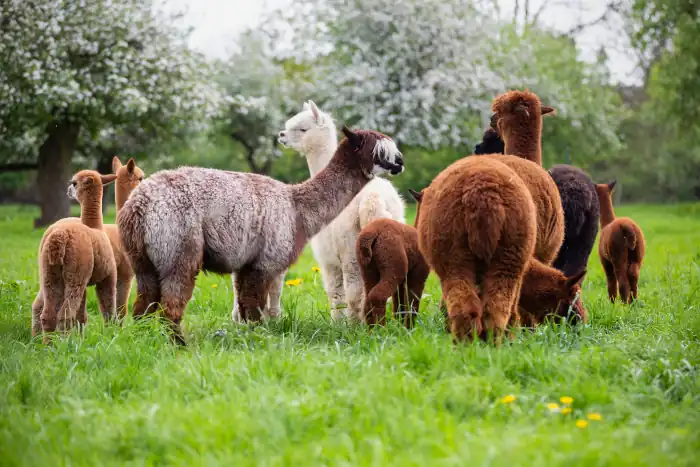
Alpaca herd on the meadow
Poultry and Aviculture: More Than Just Breakfast
Domesticated Poultry, like chickens, ducks, and geese, aren’t just farmyard fluff. They’ve been raised for meat, eggs, and feathers for thousands of years. Chickens in particular were probably first kept for cockfighting, and only later became a major food source.
This area of animal domestication is called Aviculture, and it includes both practical farming and the keeping of birds for beauty, research, or companionship, like parrots and pigeons. These birds not only provide food but also help connect people to nature and even science.
If you’re interested in birdcare products or avian-friendly housing, check out options here (AFFILIATE LINK).
A Global Perspective: Animal Domestication Around the World
Different continents developed unique relationships with animals, depending on their environments and cultures.
In Asia, animals like water buffalo, yak, and silkworms were essential. Sericulture and rice farming depended on these animals’ hard work. Bees were also widely kept, especially in India and China.
Africa gave rise to the domestication of hardy animals like donkeys and cattle, crucial for transport and farming in hot, dry regions.
Europe focused on sheep, goats, pigs, and poultry, developing strong dairy and meat traditions, it was also home to widespread beekeeping.
South America raised llamas and alpacas as pack animals and sources of wool. Their value was deeply woven into Andean culture.
In North America, while many animals were brought by European settlers, reindeer and turkeys played native roles in some communities.
Australia focused more on imported animals for farming, but it also became a major player in invertebrate research, especially involving insects.
Each region tells a different story of how animals and people learned to rely on each other. But the message is the same everywhere—Animal Domestication shaped the world we live in.
Share:
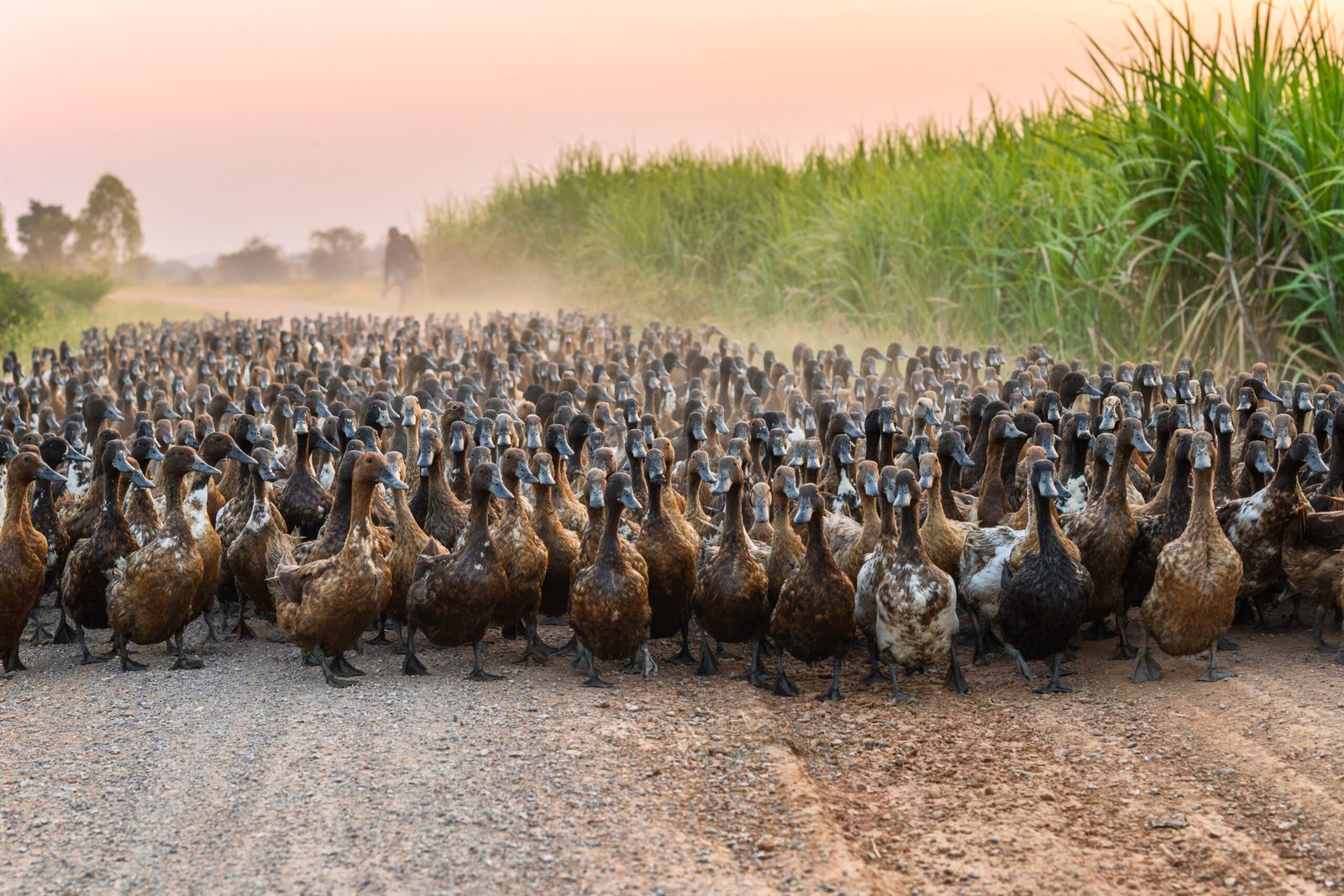
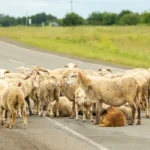
Flock of ducks with agriculturist herding on dirt road in countryside
Final Thoughts: Why Animal Domestication Still Matters
Animal Domestication isn’t just a chapter in our history books—it’s a living story that continues every day. Whether it’s a farmer working alongside their ox, a scientist studying bees, or a teen raising backyard chickens, the connection between humans and animals is still growing.
Today, there’s more awareness about treating domesticated animals ethically and keeping the relationship balanced and respectful. After all, these animals have helped us build civilizations, feed our families, and even discover new materials for science and art.
If you’re curious about starting your own journey—maybe through beekeeping, birdwatching, or even snail farming—check out sustainable tools and kits (AFFILIATE LINK).
Let’s keep this beautiful story going, together.
Consideration
What is Animal Domestication, and why is it important? Animal Domestication is the process by which humans tame and breed animals for companionship, food, work, and products. It fundamentally changed human society by supporting farming, transportation, and trade while building strong emotional and working relationships with animals across continents.
Curated Suggestions for products and More.
Ready to discover the world through the eyes of animals? Whether you’re curious about beekeeping, backyard birds, or ethical farming tools, start your journey with the best resources today (AFFILIATE LINK). Be a part of the future of Animal Domestication—where care meets connection.
Disclosure: This site participates in various affiliate programs, including Amazon Services LLC Associates, eBay Partner Network, AliExpress Affiliate Program, and others. This means we may earn a commission on qualifying purchases made through links on this site, at no additional cost to you.




Share: