
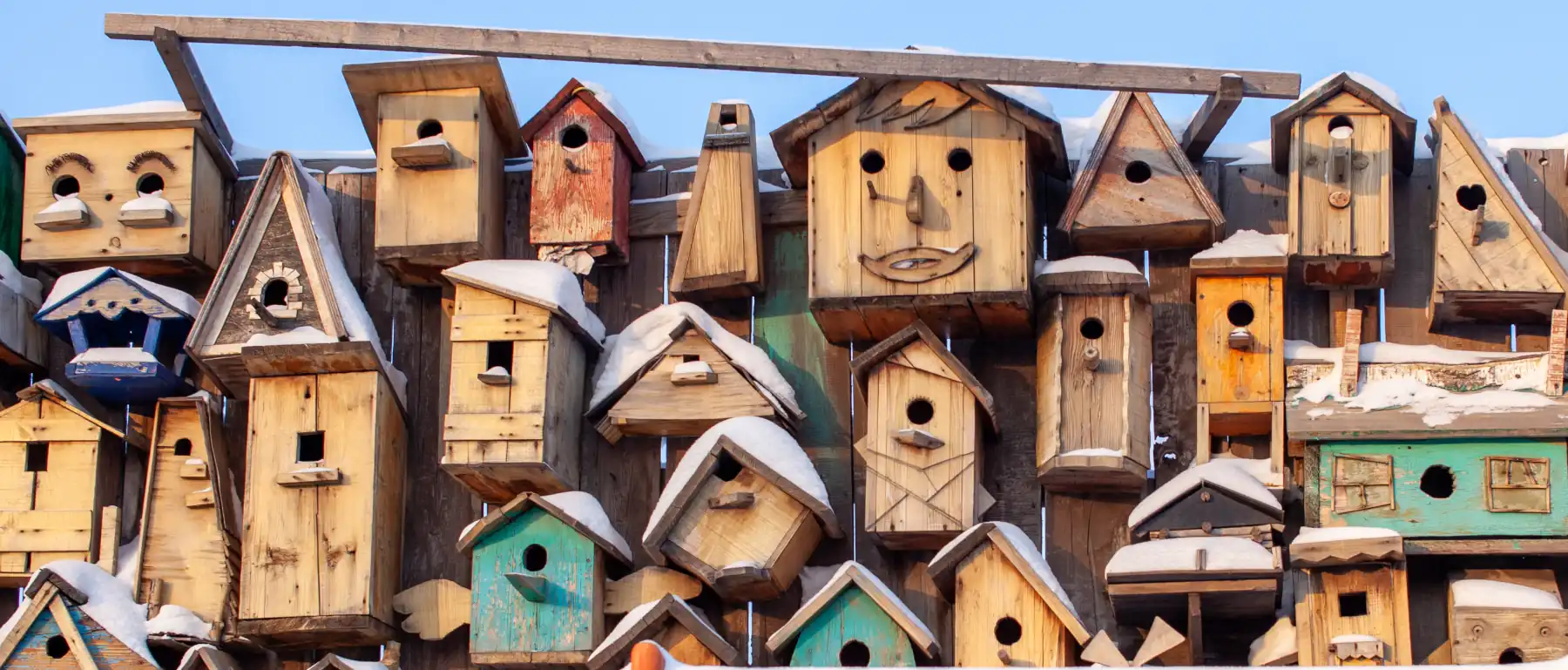
Joyful Balance: Understanding Your Bird’s Nesting Instincts Without Stress
bird nesting behaviors explained — keeping your feathered friend happy without a hormonal takeover
Bird nesting is one of the most natural and powerful instincts your feathered companion carries from the wild into your living room. While it may look adorable when your bird shreds paper or rearranges toys, these behaviors often signal deeper hormonal changes that can affect mood, health, and your relationship. Understanding bird nesting helps you create a home that supports curiosity and mental stimulation while preventing stress-driven aggression or egg-laying.
Managing bird nesting is not about stopping natural instincts. Instead, it is about recognizing the signs, adjusting environmental cues, and creating a balanced space where your bird feels safe, active, and emotionally stable. In homes where birds receive long hours of light, constant warmth, and easy access to cozy hiding spots, they may interpret their surroundings as endless springtime — a signal to reproduce. This can lead to a cycle of heightened hormones that many owners describe as a “hormonal takeover.”
When you learn to guide bird nesting behaviors thoughtfully, you build trust while protecting your pet’s well-being. The key is understanding how toys, lighting, diet, and interaction all play a role in shaping healthy behavior.
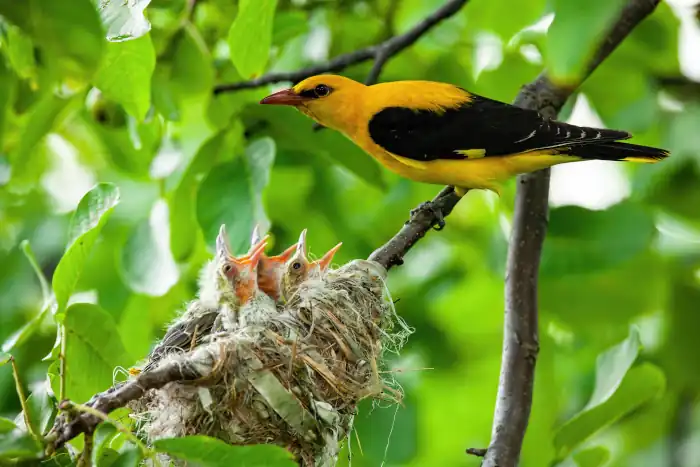
Understanding the Powerful Nesting Drive
Bird nesting is deeply rooted in survival instincts. In the wild, birds begin nesting when conditions are ideal for raising chicks. Longer daylight hours, warm temperatures, and abundant food signal that it is time to build a home. Inside a human environment, these same triggers can exist year-round. Continuous artificial light, plentiful treats, and cozy corners can unintentionally encourage bird nesting behavior.
For many pet birds, bird nesting appears as a sudden personality shift. A previously playful companion may become territorial or overly protective of specific cage areas. Owners may notice increased shredding or digging, not as misbehavior but as preparation for a nest. Understanding this natural drive allows you to respond calmly and compassionately rather than seeing the changes as disobedience.
Recognizing the emotional component is essential. Birds experiencing strong hormonal urges often feel stressed and restless. By adjusting the environment rather than punishing the bird, you create a safer and more supportive atmosphere.
Bird nesting and toys behaviors — reading what your bird is telling you
The relationship between bird nesting and toys behaviors reveals how birds communicate their needs. Toys are meant to entertain and challenge, yet during hormonal periods they can quickly become nesting material. Paper strips, soft wood, or palm leaves might be shredded into piles rather than used for play.
When owners observe this shift, it is often a clue that bird nesting instincts have taken center stage. A toy that once encouraged exploration may suddenly become the foundation of a makeshift nest. Paying attention to how your bird interacts with objects helps you understand whether the behavior stems from curiosity or hormonal drive.
Understanding bird nesting through play patterns also prevents misunderstandings. Many birds appear destructive during nesting cycles, but their actions are purposeful and instinctive. By recognizing these signals early, you can adapt toy choices and maintain a healthy balance between enrichment and overstimulation.
Toys and nesting — creating stimulation without triggering hormones
Balancing toys and nesting instincts is one of the biggest challenges for bird owners. Bird nesting behaviors often intensify when birds find materials they can tear apart and gather. Soft fabrics, cardboard tubes, and easily shredded items can encourage the building process.
However, removing all toys is not the answer. Birds need mental engagement to stay emotionally healthy. Instead, choose enrichment items that promote problem-solving without providing bedding materials. Durable foraging puzzles or stainless-steel play structures offer challenge without encouraging bird nesting.
A stimulating environment that avoids nest-building cues keeps your bird engaged in exploration rather than construction. Thoughtful toy selection helps maintain energy levels while reducing hormonal stress.
Feathered Fun Time — birds love to play too!
“Feathered Fun Time” is more than a cute phrase; it reflects the importance of joyful activity in reducing excessive bird nesting. Birds are intelligent creatures that thrive on novelty and interaction. When boredom sets in, they often redirect their energy toward nesting behaviors.
Engaging play sessions filled with safe, durable toys can help redirect focus. Birds benefit from activities that mimic natural foraging, climbing, and exploration. These experiences keep their minds active and reduce the likelihood of hormonal fixation on nest-building.
Playtime is also an opportunity for bonding. Interactive sessions remind your bird that companionship and movement are rewarding, decreasing the urge to retreat into dark corners or guarded spaces associated with bird nesting.
- 2 Pack Bird Houses for Outside Clearance with Copper Guard, Cedar Bird House…
- 1-48 of over 10,000 results for "bird house"
- 1-48 of over 10,000 results for "bird house"
- Spring Melody Bluebird House, Composite Material Nesting Box, Hanging…
- 1-48 of over 3,000 results for "hummingbird house"
- Birdfy Smart Bird House with Camera Solar Powered, 1080HD Live Video & Night…
- 1-48 of over 10,000 results for "bird house"
- Bird House with Camera Solar Powered,Wi-Fi Bird Watching, Auto Detect&Notify,…
Bird toys ideas that spark curiosity and prevent boredom
Creative bird toys ideas play a major role in managing bird nesting behaviors. Toys designed to challenge intelligence rather than encourage shredding help maintain emotional balance. Puzzle feeders, hanging bells, and acrylic toys provide stimulation while discouraging nesting habits.
When birds stay mentally engaged, they are less likely to obsess over creating nests. Incorporating bird-toys-ideas that promote exploration helps shift their focus toward learning and play. Variety is essential because birds quickly lose interest in repetitive activities.
Providing new experiences regularly keeps your pet engaged in positive behaviors. By combining enrichment with awareness of hormonal triggers, you create an environment where bird nesting instincts remain balanced rather than overwhelming.
Custom foraging toy list or a weekly cage rotation schedule
A custom foraging toy list or a weekly cage rotation schedule can significantly reduce excessive bird nesting. Changing the environment frequently prevents birds from forming strong attachments to a single spot or object. When the layout shifts, the sense of permanence required for nest-building disappears.
Rotating toys encourages exploration and mental stimulation. Birds remain curious when new objects appear or when familiar items move to different locations. This dynamic environment keeps the brain active and reduces the repetitive focus associated with bird nesting.
Consistency matters, but so does flexibility. Observing your bird’s reactions to different setups helps you fine-tune enrichment while avoiding triggers that encourage nesting instincts.
Hormonal Triggers — why bird nesting suddenly appears
Understanding hormonal triggers is essential when managing bird nesting. Changes in light exposure are among the strongest influences. Long daylight hours signal breeding season in nature, so providing 12–14 hours of darkness can help reduce hormonal intensity.
Warm environments and abundant food also contribute to bird nesting behaviors. High-fat treats and protein-rich diets mimic the abundance birds experience before breeding in the wild. Adjusting portions and maintaining a balanced diet helps reduce the sense of seasonal readiness.
Access to dark, enclosed spaces can intensify nesting instincts as well. Birds naturally seek sheltered areas to build nests, so blocking hidden corners and removing fabric tents can reduce triggers without causing stress.
Behavioral Signs — recognizing when nesting instincts take over
Spotting the behavioral signs of bird nesting early allows owners to intervene gently. Birds may begin shredding toys with unusual intensity, searching for dark spaces behind furniture, or guarding specific cage areas. Some birds dig constantly at cage bottoms or rearrange bedding materials.
These behaviors are not acts of defiance but signals of hormonal change. Increased aggression or territoriality often reflects anxiety linked to bird nesting. Understanding the emotional context behind these behaviors encourages patience and empathy.
Recognizing patterns also prevents escalation. Early environmental adjustments can help redirect energy before nesting instincts become deeply ingrained.
Managing the Urge — creating a calm, balanced environment
Managing bird nesting requires thoughtful environmental changes rather than punishment. Providing longer periods of darkness helps mimic winter conditions, signaling that it is not breeding season. Removing cozy huts and blocking dark corners reduces opportunities for nest-building.
Dietary adjustments also play an important role. Reducing high-fat seeds and rich treats decreases the perception of abundant resources. This shift encourages birds to focus on exploration rather than reproduction.
Promptly removing shredded materials prevents the formation of nests. While it may seem minor, maintaining a clean and open cage environment reduces reinforcement of bird nesting behaviors over time.
Balancing Stimulation vs. Hormones — finding the healthy middle ground
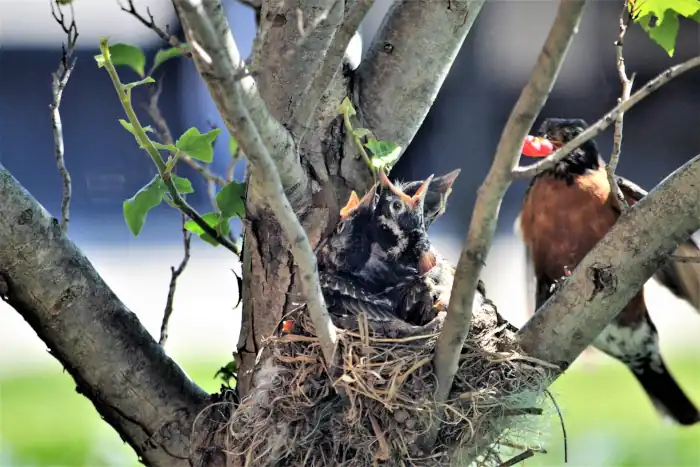
The biggest challenge for many owners is balancing stimulation with hormonal management. A bored bird is unhappy, but an overstimulated bird may become obsessed with bird nesting. The key is providing activities that engage the brain without encouraging construction.
Regular exercise plays a major role. Flight time, climbing opportunities, and interactive training sessions help burn energy that might otherwise be spent on nesting. Active birds often display fewer hormonal behaviors because physical activity reduces stress.
Human interaction also matters. Gentle petting limited to the head and neck helps maintain affection without triggering mating signals. Avoiding excessive physical contact on the back or wings prevents accidental reinforcement of bird nesting instincts.
A Gentle Reflection — the U.S. and the rest of the world
In the United States, companion birds often live indoors year-round, surrounded by artificial lighting and climate-controlled environments. These conditions can unintentionally encourage constant bird nesting because birds rarely experience seasonal changes. American owners increasingly focus on enrichment strategies and hormonal management to keep pets emotionally balanced.
In many other parts of the world, birds may live in open-air aviaries or environments with more natural light cycles. Seasonal changes naturally regulate hormones, reducing the frequency of intense bird nesting behaviors. However, access to specialized veterinary care and modern enrichment tools may vary.
Both approaches highlight the same lesson: understanding the bird’s natural instincts is essential. Whether in the U.S. or abroad, responsible care involves balancing stimulation with respect for biological rhythms.
Curated Suggestions for products and More.
Take a moment to observe your bird today. Notice how they play, explore, and respond to their surroundings. Small changes in lighting, toys, or interaction can transform stress into joy. By understanding bird nesting and guiding your feathered companion with patience and empathy, you create a home filled with trust, curiosity, and lifelong connection.
Product Tips
-
Muzzle Guard Anti-Barking Medium-Large Dogs Muzzle Basket
Original price was: $8.66.$4.33Current price is: $4.33.



Disclosure: This site participates in various affiliate programs, including Amazon Services LLC Associates, eBay Partner Network, AliExpress Affiliate Program, and others. This means we may earn a commission on qualifying purchases made through links on this site, at no additional cost to you.
New Posts
- The Fascinating World of Exotic Pets You Can Legally Own

- Pet Environment Safety: A Happier, Greener Life for Animals and People

- The Exciting World of Reptile Spring Awakening
- The Joyful Return of Wings: Understanding Butterfly Spring Reproduction

Categories
Tags
animal conservation animal protection animal welfare cat grooming tips cat mental health Cats Health cat training dog behavior dog grooming Dog travel tips farm animal care farm animals farmyard animals Rabbit Care Tips working animals
Share: