

Happy & Healthy: The Real Deal About Dogs Nutrition
Understanding Dogs Nutrition for a Happy Pup
Dogs nutrition is all about giving your dog the right food, in the right amount, at the right time, whether you’re raising a playful puppy, caring for an adult dog, or helping a senior pup age gracefully. Understanding how nutrition works is the key to their long-term health and happiness. In the U.S., pet parents are starting to pay more attention to what goes into the bowl, but knowing how much your dog should eat and what they should drink daily can feel like a guessing game if you’re new to it.
A big part of this is learning to read a dog feeding chart, especially one based on age and size, and if you’ve ever wondered, “Should my dog have food available all day?” or “Do puppies and seniors need different meals?”, you’re not alone! Let’s break this all down in a fun, straightforward way that makes feeding your furry best friend easy and joyful.

The Feel-Good Basics of Dogs Nutrition
Dogs don’t need gourmet meals every day, but they do need balanced, nutritious food. But at the core, dogs nutrition means making sure your pup gets enough proteins, fats, vitamins, and carbs to power their day — just like humans. But here’s where it gets real: not every dog needs the same amount of food or even the same kind of food.
A Chihuahua puppy and a full-grown German Shepherd obviously eat differently. That’s where a dog feeding chart by age and size comes in handy; it helps you know when and how much to feed your pup, so they don’t end up overweight or lacking energy. Puppies are growing fast and burning calories like crazy, so they need more frequent meals, but seniors, on the other hand, may need softer food and fewer calories but more nutrients.
Tail-Wagging Truth: How Much Should Your Dog Eat?
This might surprise you, but many dog owners overfeed or underfeed without even realizing it, and this can lead to weight gain, tiredness, or even long-term health problems. That’s why using a dog feeding chart with the right amounts per size can be life-changing.
A good chart factors in your dog’s:
- Age (puppy, adult, senior)
- Size (toy, small, medium, large, giant)
- Activity level (lap dog or athlete?)
Let’s say you’ve got a medium-sized adult dog who likes to run and play. They’ll need more fuel than a couch-loving senior. Keep an eye on your dog’s body shape too. If they’re rounder than usual or you can’t feel their ribs, it’s time to adjust portions.
What Should a Dog Drink Daily?
This one’s simple but super important: water is everything. A dog should drink about an ounce of water per pound of body weight per day. So, if your pup weighs 30 pounds, they should drink roughly 30 ounces of water daily. And no, milk and juice are not replacements. Dogs have sensitive stomachs, and water is the best way to keep them hydrated and their digestion happy.
Make sure their bowl is always filled with fresh, clean water. If they’re not drinking enough, it might be due to dry food, hot weather, or even stress; therefore, try adding a splash of low-sodium broth to encourage sipping.

Should Dogs Have Food Available All Day?
Here’s where opinions differ. But most vets agree that free feeding (leaving food out all day) isn’t ideal, especially if your dog gains weight easily. Instead, stick to scheduled meals, once or twice a day, depending on age and health.
Puppies usually eat three to four times daily. Adults typically eat twice. Seniors? It depends, but twice a day often works best. Sticking to a routine not only supports healthy digestion but also helps with training and energy levels. Dogs love knowing when food is coming — and let’s face it, so would we!
Puppies and Seniors: Different Needs, Different Meals
Let’s talk about the real MVPs of your household: your growing puppy and your wise old pup. They both have unique needs when it comes to dogs nutrition.
Puppies need high-calorie food rich in protein, calcium, and fat because they’re developing rapidly. Look for food labeled “for growth” or “for all life stages.” They also need smaller kibble for those baby teeth.
Seniors, on the other hand, need fewer calories but more nutrients. Think about supplements for joints, antioxidants, and lower-fat options that are still rich in flavor and energy. Their metabolism slows down, so avoiding weight gain is key. You might also switch to soft food if chewing becomes hard.
The Ultimate Dog Raw Food Guide
If you’re considering a raw diet for your pup, welcome to one of the hottest trends in the dog world. Some believe it’s the most natural and healthy way to feed dogs. Raw diets usually include raw meats, bones, fruits, and veggies — basically, what a wild dog might eat.
Raw food isn’t for everyone, but you have to be extra careful about bacteria and ensuring the right nutritional balance. Raw feeding can be fantastic, especially for active dogs with allergies or digestive issues, but it requires commitment. If you go raw, work with your vet or a canine nutritionist to do it safely.

What Is the Most Important Vitamin for Dogs?
Dogs need several vitamins, but one stands out: Vitamin A. It’s crucial for healthy skin, vision, and immune system support. Without enough of it, your dog might experience dull fur, eye issues, or poor growth.
Other important vitamins include:
- Vitamin D for bones
- Vitamin E for muscles and cells
- B-complex for energy and nerve function
But don’t go adding human supplements to your dog’s meal — that could be harmful. Choose dog-safe vitamins or get vet-approved options.
Personal Thoughts & A Global Comparison
In the U.S., we love our pets like family — and it shows in how we treat dogs nutrition. There’s a growing awareness here about feeding quality food, reading labels, and customizing meals by age and size. But globally, things vary. In some countries, dogs are fed mostly table scraps or simple rice and meat, and while many stay healthy, the nutritional balance isn’t always there.
European countries like Germany or the UK are embracing raw diets and even organic dog food more widely. Meanwhile, in parts of Asia or South America, dogs might still eat whatever’s left from the family’s plate. It’s a cultural thing, but the shift toward science-based nutrition is catching on.
The good news? We’re all moving toward feeding our furry companions better. The more we learn, the better we do. Your dog depends on you, and feeding them right is one of the purest forms of love.
Curated Suggestions for products and More.
Make Mealtime the Best Time Ever! Whether you’ve got a bouncing puppy or a chill senior dog, now’s the time to take their meals to the next level. Don’t just guess — use a dog feeding chart, consider their age and energy, and watch how they thrive. Try adjusting their water intake, meal schedule, and maybe explore new food types — even raw if you’re ready.
Remember, good dogs nutrition = happy, healthy, long-living doggo. And they’re totally worth it.
Check out our favorite vet-approved foods and vitamins here (AFFILIATE LINK) and start your pup’s wellness journey today!
Product Tips
-
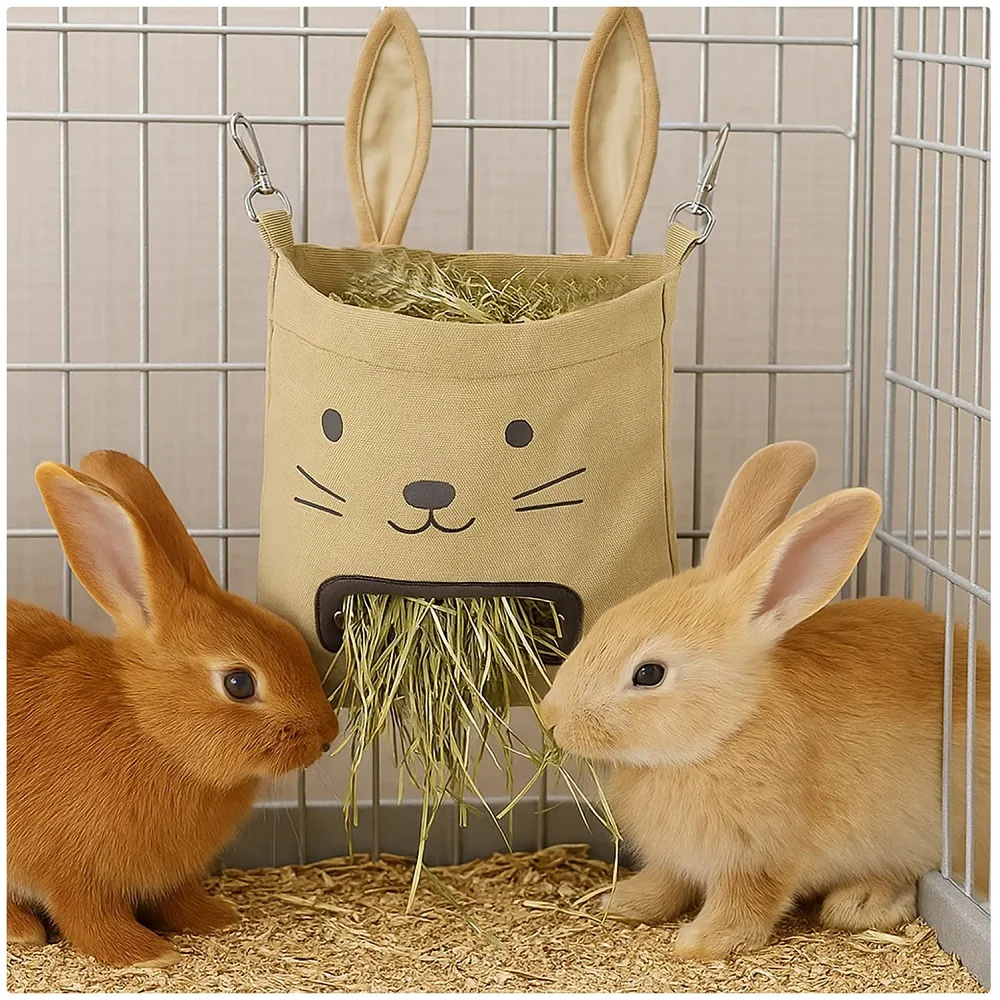
Rabbit Hanging Rodent Hay Bag Feeder Small Pet Supply
Original price was: $12.62.$6.05Current price is: $6.05. -
1000 Pieces Puzzles Animal World Jigsaw X Adults Home decor
Original price was: $24.84.$12.33Current price is: $12.33. -
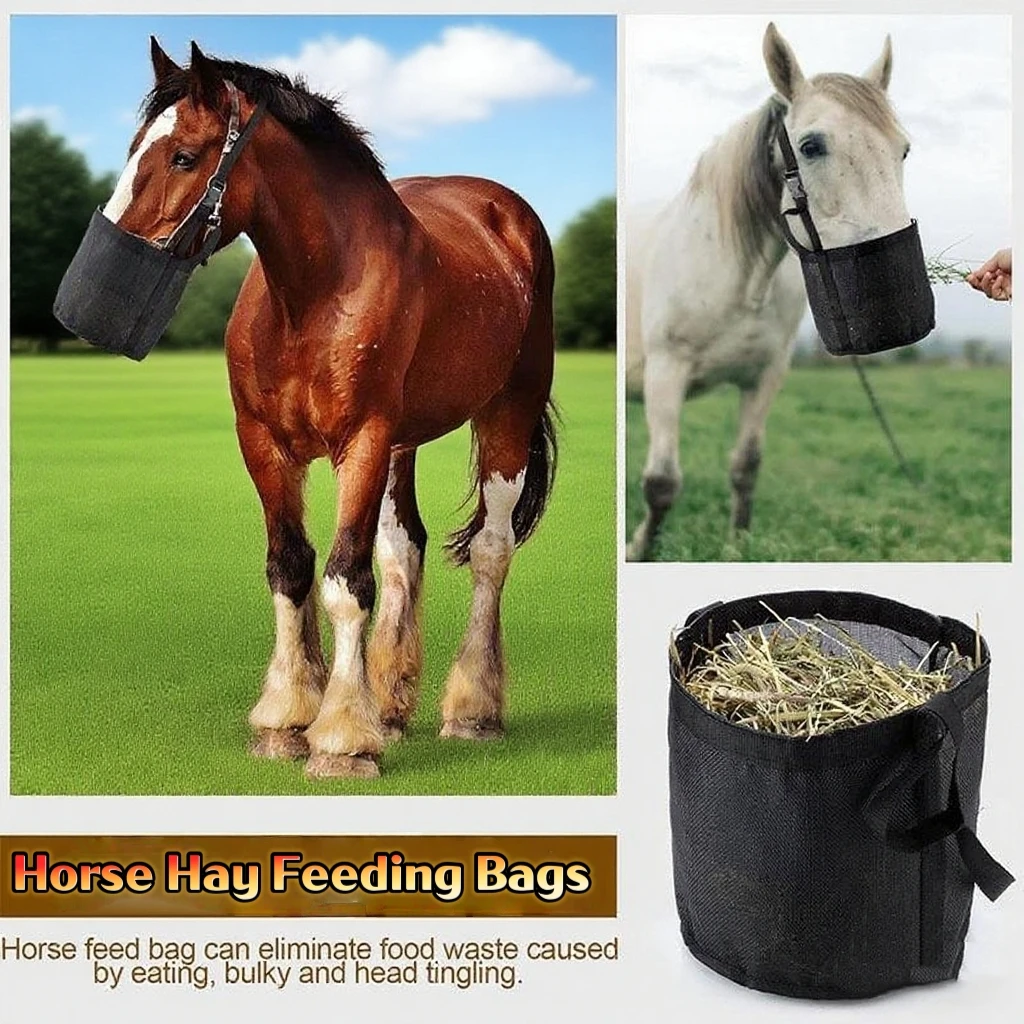
Horse Hay Feeding Bag Neck Adjustable Portable Hanging Bag
Original price was: $38.69.$19.34Current price is: $19.34.


Disclosure: This site participates in various affiliate programs, including Amazon Services LLC Associates, eBay Partner Network, AliExpress Affiliate Program, and others. This means we may earn a commission on qualifying purchases made through links on this site, at no additional cost to you.
New Posts
- Hope Beyond Roadkill: Protecting Wildlife on Modern Roads

- Sacred Bonds of Love; Blessing of the Animals

- Wildlife Hopeful Paths for Nature’s Future

- Marine life parks: Living Wonders of the Sea

Categories
Tags
animal conservation animal protection animal welfare cat grooming tips cat mental health Cats Health cat training dog behavior dog grooming Dog travel tips farm animal care farm animals farmyard animals Rabbit Care Tips working animals
Share: