
Feeding Kittens Made Easy: A Joyful Journey to Raise Healthy Fur Baby
A Sweet Start to a Kitten’s Healthy Life
Feeding kittens is one of the most rewarding parts of helping your little fluffball grow up strong and happy. From the moment those tiny paws enter your home, their diet becomes the foundation of their health. Feeding kittens isn’t just about filling a bowl—it’s about providing love through food, timing, and care. If you’re wondering how to do it right, this guide is your go-to for everything you need to know about feeding kittens for healthy growth and tail-wagging joy.
Feeding Kittens: What You Should Know First
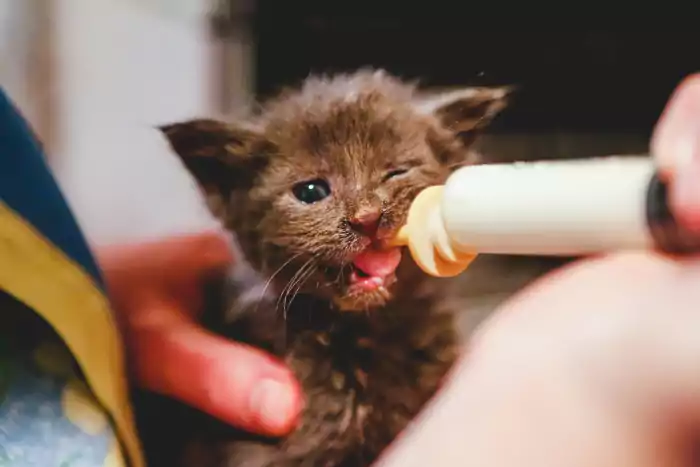
Kittens are growing fast. Like, superhero-fast. In just a few months, they go from fragile fuzzballs to playful, curious explorers. During this critical stage, their diet needs to be packed with the right stuff: proteins, fats, vitamins, and moisture; that’s why a kitten’s diet needs care right from the start. While adult cat food might seem okay, it just doesn’t cut it for their little bodies.
If you’re bottle-feeding newborns or transitioning them to solid food, this guide will help you learn timing and food types, how often to feed, what to avoid, and how to know when you’re doing it right.
Giving Your Kitten the Best Start with the Right Food
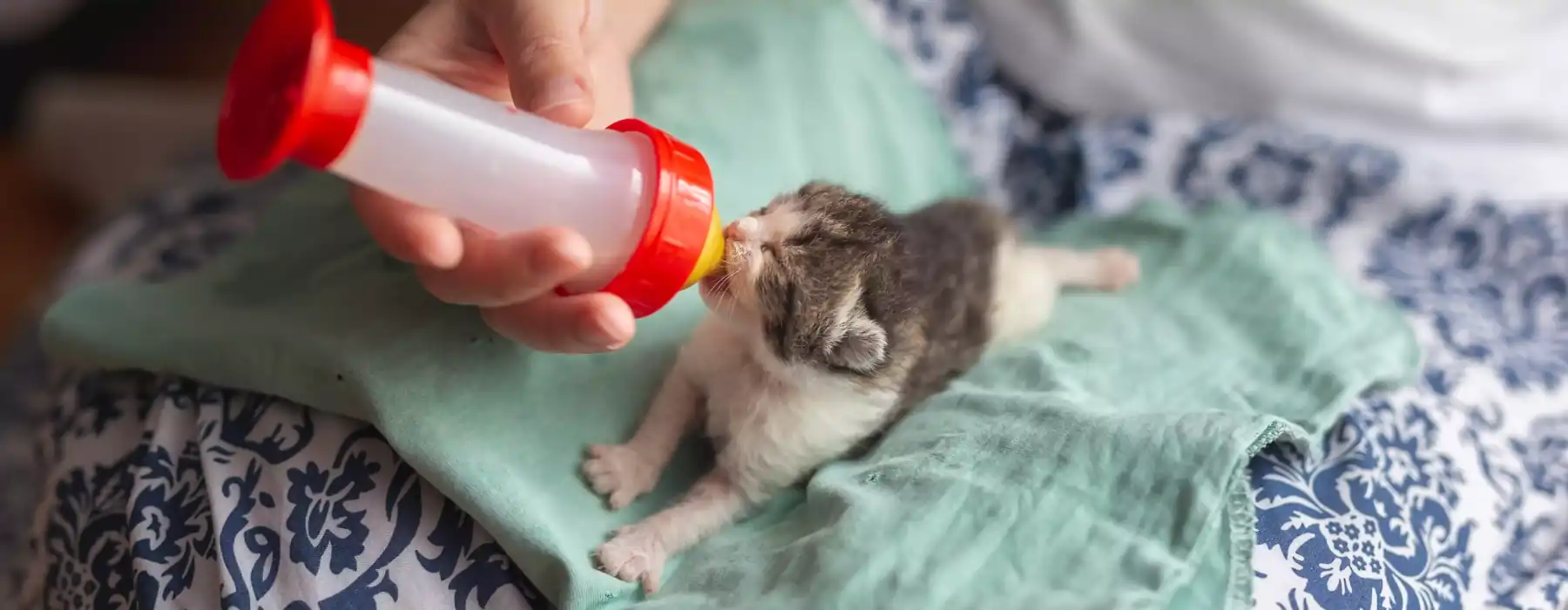
First off, kittens under four weeks need to be bottle-fed with kitten formula. Cow’s milk is a big no-no—it’s too harsh on their tiny tummies. Use a special kitten milk replacer you can find in pet stores. This formula is packed with nutrients that their mom’s milk would normally give them.
As they grow, around 4 to 5 weeks, you can start introducing a mix of wet kitten food and formula, sort of like baby mush. This is when they begin learning to lap instead of suckle. Wet food is super helpful because it keeps them hydrated while their little teeth are still coming in.
Once they hit the 8-week mark, most kittens are ready to switch completely to wet or dry kitten food. But not just any food—look for brands that say “for kittens” because they have extra protein and calories compared to adult cat food.
Feeding Kittens Guide for Happy, Healthy Growth
Okay, so what does a typical feeding routine look like?
In the early weeks, kittens need to eat frequently, like every few hours. Their bellies are small, and their metabolism is fast. As they grow, you can reduce the number of feedings but increase the amount they eat. A rough pattern would be multiple small meals each day until they hit around six months.
Also, always make sure there’s fresh, clean water available. Even if they’re eating wet food, hydration is super important.
You might be wondering: wet food or dry food? Honestly, both have their pros. Wet food has more moisture, and many kittens love the smell and texture. Dry food can help with dental health and is more convenient. Many kitten parents mix both to get the best of both worlds.
Just keep in mind that whatever you choose, consistency is key. Changing food types too quickly can upset their stomach. If you do need to change foods, do it gradually over a week.
- Hartz Delectables Bisque for Kittens, Complete & Balanced Tuna & Salmon Cat…
- Fancy Feast Purina Petites Tender Chicken Entree Pate Gourmet Wet Kitten Food…
- Open Farm, Grain Free Dry Kitten Food, Nutrient Dense Kibble with Protein,…
- Basepaws Cat DNA Test Kit – Comprehensive Breed, Health and Dental Analysis…
- COMFORT ZONE 6 Pack MultiCat Diffuser Refills; Cat Calming Pheromones Help…
Here’s Your Step-by-Step Feeding Guide
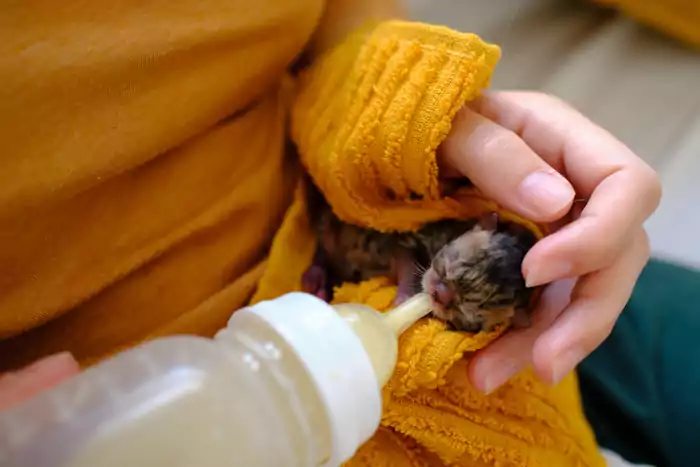
Start with bottle feeding if they’re newborns. Use kitten milk replacer and feed every few hours. If they’re still with mom, great! Let her do her thing. Around four weeks, begin introducing a gruel made of wet kitten food and formula.
By eight weeks, transition to full kitten food. Wet or dry is your choice, but remember it must be made specifically for kittens. Feed them several times a day until they’re about six months old. After that, you can move to two meals a day.
Always watch their behavior; if they seem hungry all the time or if they’re not eating, it might be time for a vet check. Sometimes, it’s just stress or adjustment, but it could be a sign of an issue that needs attention.
Learn Timing and Food Types for Every Stage
Every stage of kittenhood comes with its own needs. When they’re very young, feeding is frequent, messy, and formula-based. As they grow, they need a more structured feeding schedule, solid food, and a balance between calories and nutrients.
By six months, your kitten will be entering the teen cat phase. They’ll start to eat a little less often, but they still need kitten food until about a year old. That’s because their bones, muscles, and organs are still developing.
Avoid giving them dog food, table scraps, or adult cat food. These don’t have the right balance of nutrients and can even make them sick. Stick with vet-approved foods or trusted kitten formulas.
A Kitten’s Diet Needs Care and Patience
Feeding kittens isn’t just about what goes in the bowl; it’s about creating a loving, safe routine they can depend on. Mealtime should be calm, consistent, and predictable.
Place the bowl in a quiet corner where your kitten feels secure. Try to feed them in the same spot every time. This helps them feel safe and builds trust. Also, use shallow bowls so their little faces can reach the food easily.
Cleaning up after meals is a must. Kittens are messy eaters. Wash bowls daily to avoid bacteria and always store their food properly.
Feeding Kittens in the U.S. vs. Around the World
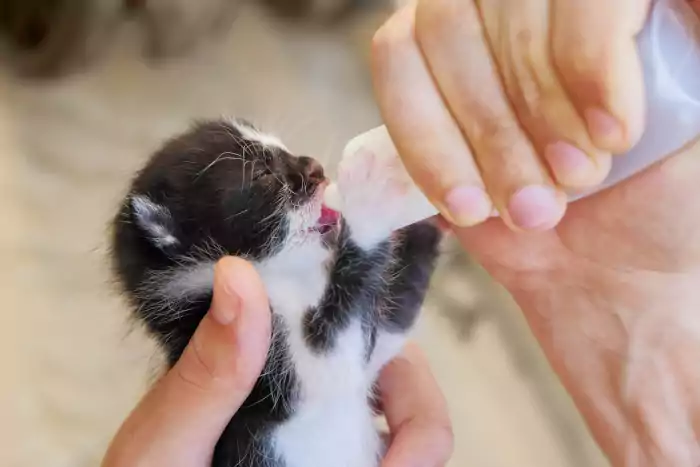
In the U.S., kitten feeding tends to be highly commercialized with plenty of access to quality kitten food, supplements, and vet services. Most people have access to wet and dry food options, milk replacers, and even online vet support.
Globally, the story varies. In many parts of the world, feeding kittens is more home-based. People may use homemade foods, raw diets, or regional ingredients. While that can work, it’s super important to ensure kittens get a balanced diet wherever they are. Cultural practices might influence feeding routines too, especially in rural areas.
So no matter where you live, the goal is always the same: raising happy, healthy kittens that feel loved, nourished, and safe.
Final Thoughts on Feeding Kittens
Feeding kittens is about so much more than just food. It’s about giving your kitten the best start in life with routines, love, and the right nutrition at the right time. From formula to fancy kibble, your choices matter. Listen to your kitten, be patient, and let mealtime be a moment of connection.
Whether you’re in the U.S. or halfway around the world, every kitten deserves a full belly and a happy heart. And with the right information, you’re more than ready to make that happen.
Curated Product Suggestions and More.
Ready to stock up on everything your kitten needs? Check out our top-rated kitten formulas, wet and dry foods, and feeding accessories here. Your kitten will thank you with cuddles and purrs!
Product Tips


Disclosure: This site participates in various affiliate programs, including Amazon Services LLC Associates, eBay Partner Network, AliExpress Affiliate Program, and others. This means we may earn a commission on qualifying purchases made through links on this site, at no additional cost to you.
New Posts
- Hope Beyond Roadkill: Protecting Wildlife on Modern Roads

- Sacred Bonds of Love; Blessing of the Animals

- Wildlife Hopeful Paths for Nature’s Future

- Marine life parks: Living Wonders of the Sea

Categories
Tags
animal conservation animal protection animal welfare cat grooming tips cat mental health Cats Health cat training dog behavior dog grooming Dog travel tips farm animal care farm animals farmyard animals Rabbit Care Tips working animals


Share: