

Joyful Companionship: Life With a Ferret
Ferret as Pet Ownership & Care — What Living With a Ferret Really Means
Bringing a Ferret as Pet into your life can feel like opening the door to a tiny whirlwind of curiosity, affection, and humor. Ferrets are not ordinary small pets. They are clever, emotional, and deeply interactive animals that thrive on connection and stimulation. For many U.S. households, especially apartment dwellers looking for something different from cats or dogs, ferrets offer a unique kind of companionship that feels almost soulmate-like.
At the same time, Ferret as Pet ownership & care comes with realities that cannot be ignored. These animals are considered exotic pets for a reason. They demand time, planning, patience, and a willingness to adapt your home and lifestyle around their needs. Understanding both the joy and the challenge is the foundation of responsible ferret care.
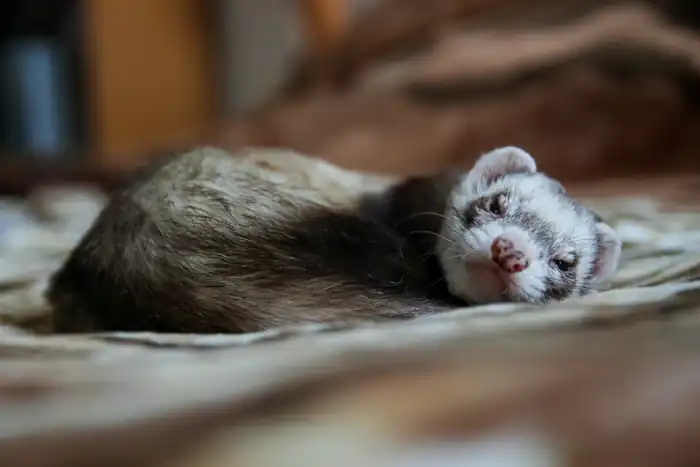
Understanding the Ferret’s True Nature
From Domesticated Polecat to Modern Companion
The domestic ferret, scientifically known as Mustela putorius furo, descends from the domesticated polecat, a small carnivorous mammal historically used for hunting rodents. Unlike hamsters or guinea pigs, ferrets were bred to work closely with humans, which explains their high intelligence and social awareness today.
This background shapes everything about Ferret as Pet behavior. Ferrets bond strongly with their people. They learn routines quickly, recognize voices, and respond emotionally to attention or neglect. Many owners describe their ferret as having a personality closer to a toddler than a traditional small animal.
Crepuscular Activity and Daily Rhythm
One of the most misunderstood traits in Ferret as Pet ownership & care is their sleep pattern. Ferrets are crepuscular, meaning they are most active at dawn and dusk. They may sleep up to 18 or even 20 hours a day, but when they are awake, they are intensely energetic.
This rhythm works surprisingly well for people who work standard hours. Mornings and evenings become playtime, bonding time, and exploration time. Understanding this natural cycle helps prevent frustration and creates harmony between ferret and human schedules.
Playfulness, Intelligence, and the Famous Weasel War Dance
The Language of Joy
Few moments delight new owners more than witnessing the weasel war dance for the first time. This joyful hopping, twisting movement is how ferrets express excitement and happiness. It often happens during play or after discovering a favorite toy or hiding spot.
In the context of Ferret as Pet care, this behavior is a sign of good mental health. A ferret that plays freely, explores confidently, and engages socially is typically a well-adjusted animal. Encouraging play through safe environments and regular interaction supports both physical and emotional wellbeing.
Training, Curiosity, and Mental Stimulation
Ferrets are highly intelligent and respond well to consistent training. Litter box training, while not perfect, is very achievable. Most ferrets learn to use designated corners, especially when training is patient and reinforced gently.
Mental stimulation is essential in Ferret as Pet ownership & care. Without enrichment, ferrets become bored, which can lead to destructive behaviors like chewing or digging. Puzzle toys, tunnels, and supervised exploration provide outlets for their curiosity and reduce stress-related habits.
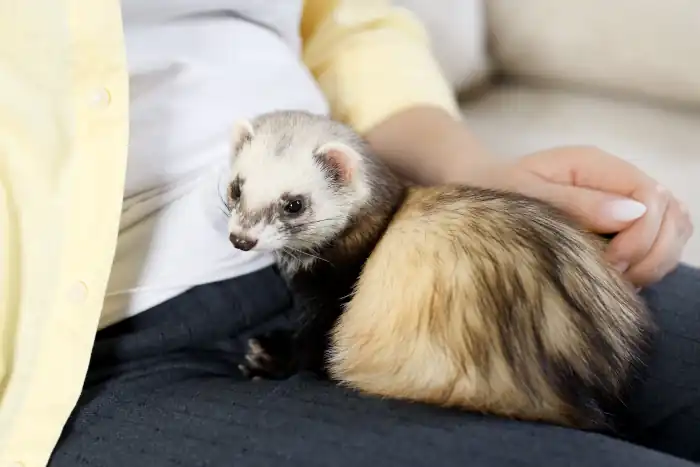
Diet and Nutrition: The Obligate Carnivore Reality
Why Meat Is Not Optional
Ferrets are strict obligate carnivores, meaning their bodies are designed to digest animal protein and fat, not grains or plant matter. This is one of the most critical aspects of Ferret as Pet care and one of the most common mistakes new owners make.
A proper diet supports immune health, energy levels, coat condition, and longevity. Low-quality food or inappropriate treats can quickly lead to digestive problems and chronic illness. Feeding ferrets correctly is not a preference; it is a biological necessity.
Long-Term Health Implications
Poor nutrition increases the risk of serious conditions, including insulinoma and adrenal disease in ferrets, which is one of the most common health concerns in this species. Investing in the right diet early often reduces veterinary costs later and improves quality of life dramatically.
Health Care and the Need for Exotic Expertise
Why an Exotic Pet Veterinarian Is Essential
A Ferret as Pet requires medical care from an exotic pet veterinarian. Traditional dog and cat vets often lack the specialized training needed to diagnose and treat ferret-specific conditions. This makes access to the right professional a non-negotiable part of responsible ownership.
Regular wellness checks, early disease detection, and proper vaccinations are critical. Because ferrets age faster than cats or dogs, health changes can occur rapidly. Establishing a relationship with an exotic vet before emergencies arise is one of the smartest decisions a ferret owner can make.
Adrenal Disease and Lifelong Monitoring
Adrenal disease in ferrets affects a large percentage of the population, particularly in North America. Symptoms may include hair loss, itchiness, behavioral changes, and hormonal imbalances. While treatment options exist, ongoing monitoring is usually required.
Understanding this reality helps set realistic expectations for Ferret as Pet ownership & care. Veterinary expenses can be significant, and planning financially for long-term care is part of ethical pet guardianship.
Creating a Safe Home: Ferret-Proofing Your Space
Why Ferret-Proofing Is Not Optional
Ferrets are natural escape artists with flexible bodies and endless determination. Ferret-proofing your home is a major safety responsibility and one of the defining challenges of Ferret as Pet care.
They can squeeze into gaps you didn’t know existed, chew electrical cords, and investigate appliances with alarming confidence. A safe home environment requires ongoing vigilance, not a one-time setup.
Living With a Curious Explorer
Many owners describe ferret-proofing as similar to toddler-proofing, but with a creature that can climb, dig, and chew. While this may sound exhausting, it becomes second nature over time and strengthens the bond between human and ferret through shared routines and trust.
The Truth About the Musk
Understanding the Natural Scent
All ferrets have a natural musky odor produced by skin glands. This is an unavoidable aspect of Ferret as Pet ownership & care. While spaying or neutering reduces intensity, the scent never disappears completely.
Contrary to popular belief, frequent bathing makes the smell worse by stimulating oil production. A clean living environment, proper diet, and gentle grooming routines help manage odor far more effectively than soap and water.
Is It a Deal Breaker?
For some people, yes. For others, the scent fades into the background, much like the smell of a dog or cat. Being honest with yourself about tolerance is important before committing to a Ferret as Pet.
Emotional Bonds and Social Needs
Not a Cage Pet
Ferrets are deeply social animals. They are not meant to live their lives confined to a cage with occasional interaction. Ferret as Pet ownership & care requires 4 to 8 hours of supervised playtime daily.
Many ferrets do best in pairs, especially if their humans are away during the day. Companionship reduces boredom, anxiety, and behavioral issues, and it supports emotional health.
Affection That Feels Personal
Ferrets form strong bonds with their caregivers. They seek attention, follow familiar people, and show clear preferences. This emotional depth is one of the most rewarding aspects of sharing your life with a ferret.
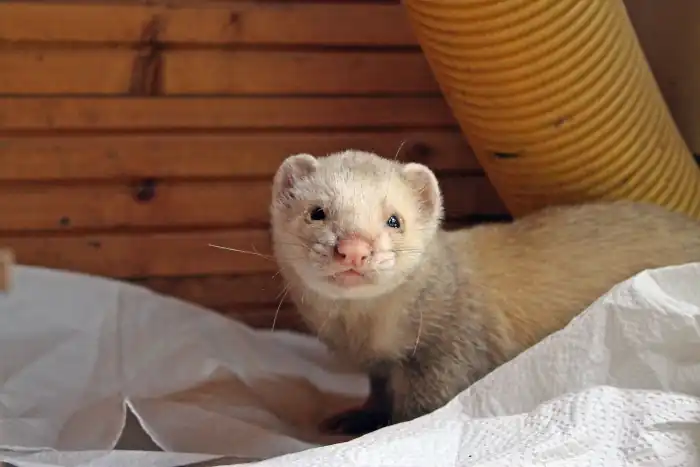
Legal Status and Invasive Species Concerns
Why Ferrets Are Illegal in Some Places
Despite their domesticated history, ferrets raise invasive species concerns in certain regions. In the United States, they are illegal in California, Hawaii, and New York City due to fears of ecological disruption if released into the wild.
Understanding local laws is a crucial step in Ferret as Pet ownership & care. Legal restrictions exist to protect ecosystems, not to punish pet owners.
A Global Perspective
In Europe, ferrets are widely accepted and popular, particularly in the United Kingdom. Across Asia, especially in Japan, ferrets are favored for apartment living and urban lifestyles, even though they remain classified as exotic pets.
Quick Reflection: Ferrets in the U.S. vs. the Rest of the World
In the United States, owning a Ferret as Pet often involves navigating stricter regulations, higher veterinary costs, and limited access to exotic specialists. In contrast, many parts of Europe and Asia integrate ferrets more seamlessly into everyday pet culture, with broader acceptance and infrastructure. This contrast highlights how cultural attitudes and environmental priorities shape the way we live with animals—and reminds us that responsible care always depends on local context.
Final Thoughts: Is a Ferret Right for You?
Choosing Ferret as Pet ownership & care means embracing a lifestyle built around curiosity, adaptability, and deep connection. Ferrets give affection freely but demand commitment in return. For the right person, they are unforgettable companions who bring laughter, chaos, and warmth into everyday life.
Considerations
If you’re considering a Ferret as Pet, take a moment to reflect on your daily routine, your living space, and your willingness to adapt. Ferrets reward thoughtful care with unmatched affection and personality. Whether you decide to welcome one into your home or simply admire them from afar, understanding their needs is the first step toward respecting these remarkable little companions.
Product Tips
-
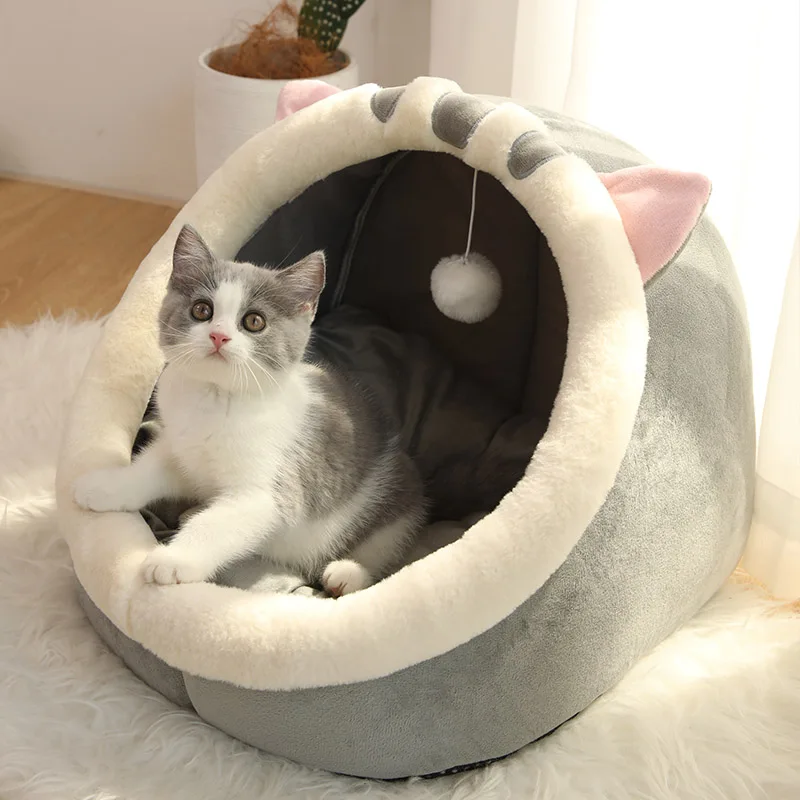
Pet Deep Sleep Small Dog Cat Bed Washable Removable
Original price was: $24.38.$7.56Current price is: $7.56. -
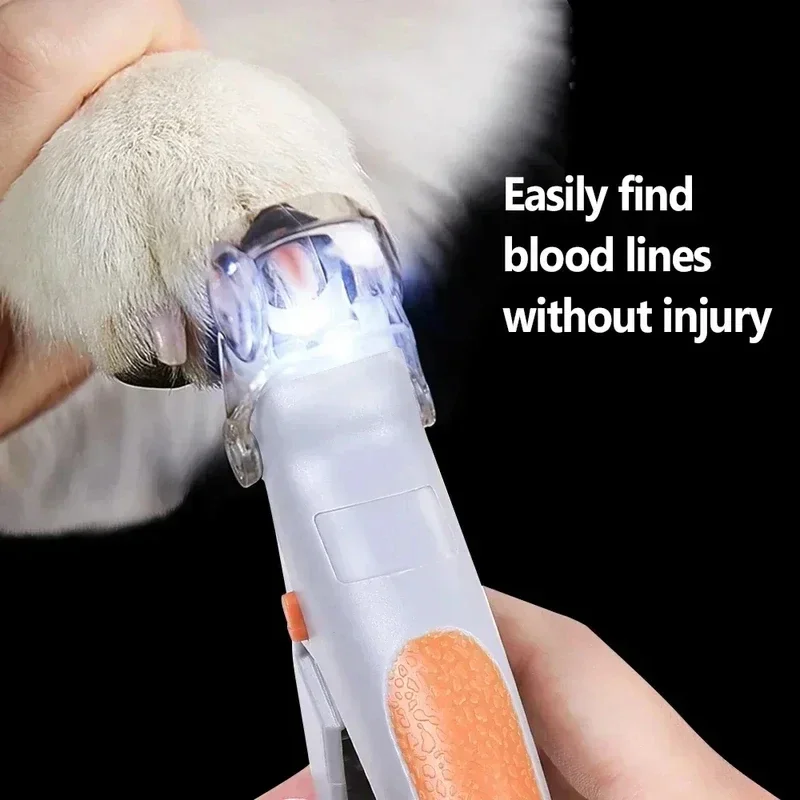
Pet Nail Clipper Scissors + LED Light Cat Dog Nail Clippers
Original price was: $11.91.$5.00Current price is: $5.00.


Disclosure: This site participates in various affiliate programs, including Amazon Services LLC Associates, eBay Partner Network, AliExpress Affiliate Program, and others. This means we may earn a commission on qualifying purchases made through links on this site, at no additional cost to you.
New Posts
- Hope Beyond Roadkill: Protecting Wildlife on Modern Roads

- Sacred Bonds of Love; Blessing of the Animals
- Wildlife Hopeful Paths for Nature’s Future
- Marine life parks: Living Wonders of the Sea

Categories
Tags
animal conservation animal protection animal welfare cat grooming tips cat mental health Cats Health cat training dog behavior dog grooming Dog travel tips farm animal care farm animals farmyard animals Rabbit Care Tips working animals

Share: