
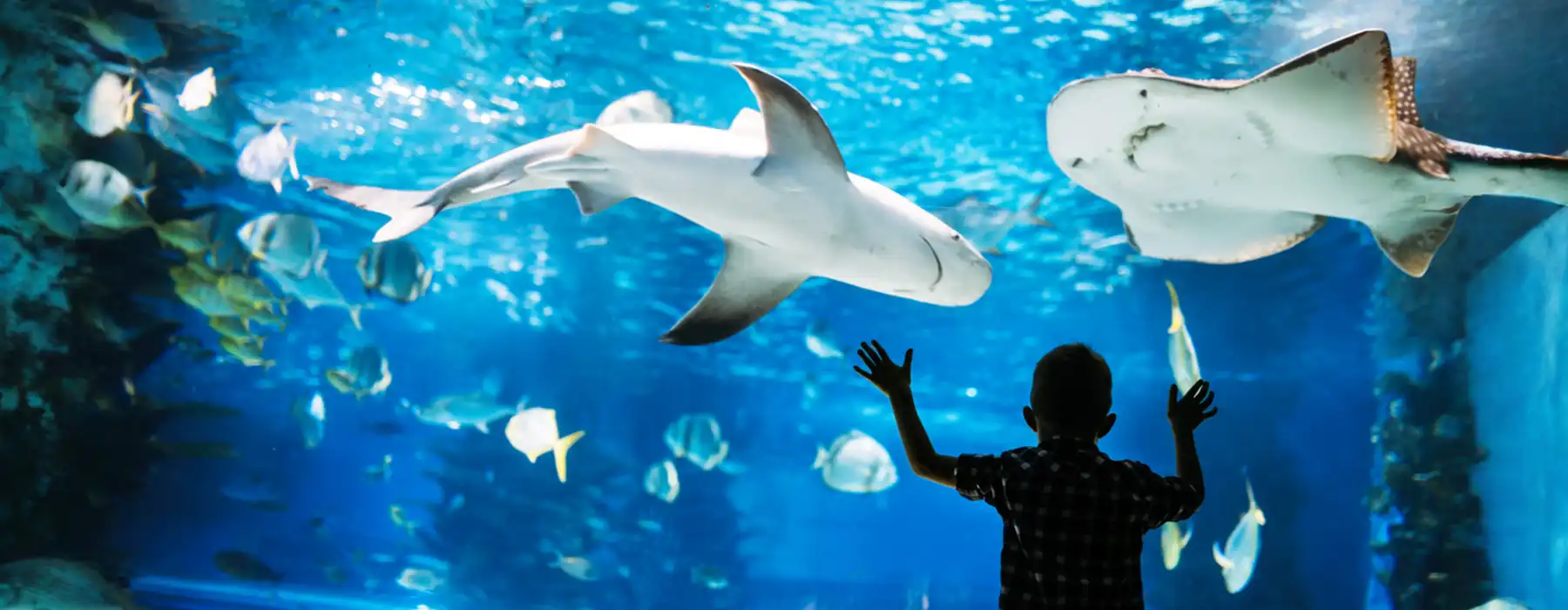
Marine life parks: Living Wonders of the Sea
Marine life parks as a bridge between entertainment, education, and modern tourism
For decades, marine life parks have held a unique place in American culture. They are spaces where curiosity meets spectacle, where families gather to marvel at marine animals, and where complex conversations about conservation, ethics, and business quietly unfold beneath the surface. From the iconic parks of Orlando, San Diego, and San Antonio to smaller oceanariums and aquatic theme parks, these destinations blend marine life entertainment with education, hospitality, and scientific ambition.
At their best, marine life parks are not just attractions. They are storytelling environments built around ocean life, designed to inspire emotional connections with species many people will never encounter in the wild. At their most controversial, they are symbols of captivity, commercial zoology, and ethical debate. Understanding how this industry works—and why public perception continues to evolve—requires looking at its business model, guest experience, scientific role, and moral challenges together, rather than in isolation.
The Industry Heartbeat Behind Marine Life Parks
A Business Model Built on Edutainment
The modern marine mammal park operates on an edutainment model, blending education and entertainment to remain financially viable while appealing to a broad audience. Admission tickets, seasonal passes, on-site dining, merchandise, and resort partnerships form the economic backbone. Thrilling rides, underwater viewing areas, and spectacular shows help maintain visitor flow, while educational messaging supports brand credibility.
In the U.S., large-scale operators like SeaWorld San Diego, SeaWorld Orlando, and SeaWorld San Antonio exemplify how marine life entertainment integrates with the wider theme park industry. Roller coasters and water rides often coexist alongside killer whales, sea lions, and penguins, creating a hybrid experience that appeals equally to thrill-seekers and animal lovers. This dual identity has become central to the survival of marine life parks in a competitive tourism market.
Marine Mammals as Cultural Icons
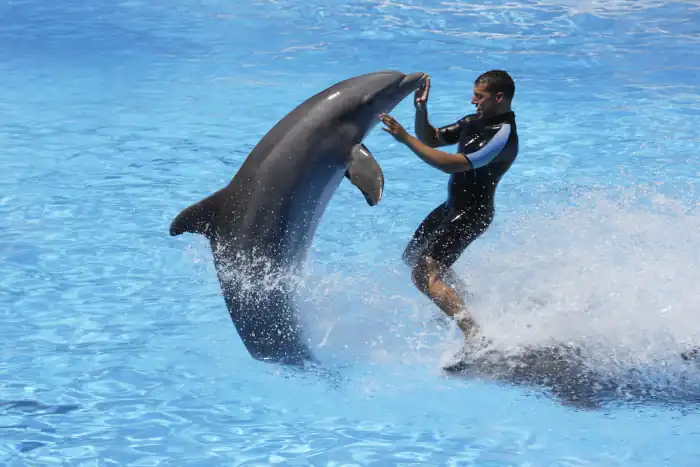
Few animals shape public perception as strongly as bottlenose dolphins and killer whales (Orcinus orca). Their intelligence, social complexity, and expressive behaviors make them powerful ambassadors for marine life. Pinnipeds, including California sea lions and harbor seals, add a more playful dynamic, often acting as approachable entry points for younger audiences.
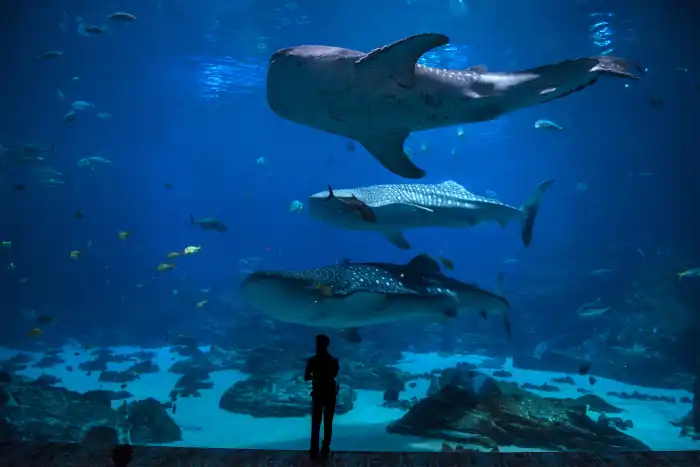
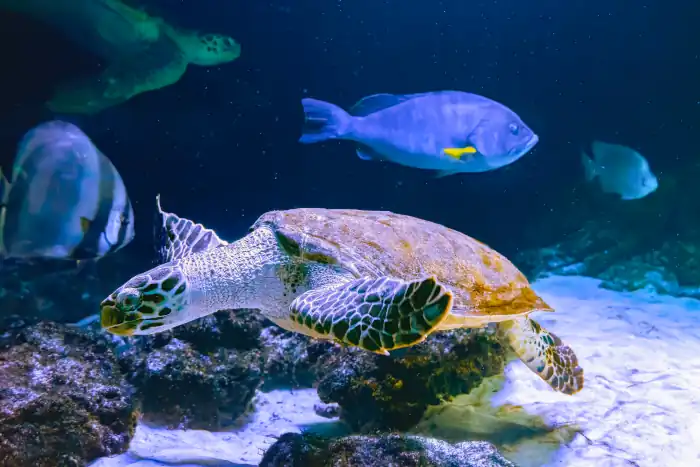
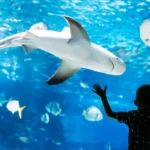
Associated wildlife such as penguins, sharks, rays, polar bears, and manatees broaden the narrative, turning individual encounters into a larger story about ocean life, biodiversity, and fragile ecosystems. Within marine life parks, these species are carefully curated to reflect both educational value and visitor engagement, shaping how guests emotionally connect with the marine world.
Guest Experiences That Shape Memory and Meaning
From Observation to Interaction
Modern marine life parks emphasize immersion. Underwater viewing galleries allow guests to observe marine animals from eye level, creating moments of quiet wonder. Programs like Dolphin Encounters or Orca Up-Close tours offer structured interaction, often framed around learning and respect rather than spectacle alone.
Behind-the-scenes tours have become especially important, giving visitors insight into marine animal husbandry, food preparation, enrichment routines, and veterinary care. These experiences humanize the staff while reinforcing the idea that zoological roles extend beyond performance into daily care, research, and responsibility.
Family-Friendly Entertainment with Purpose
For many families, marine life parks represent shared experiences that blend fun and learning. Thrilling rides, seasonal events, and themed animal exhibits create emotional highs, while school educational trips and academic field trips emphasize public education and experiential learning.
Choosing adoption in this way, marine life entertainment becomes a gateway rather than an endpoint. Children leave not just entertained, but curious about marine biology, animal habitats, and conservation issues that feel personal rather than abstract.
Scientific and Educational Value Beneath the Surface
Conservation Efforts and Research
Behind the public-facing attractions, many marine life parks contribute to marine animal research, species survival plans, and long-term conservation efforts. Participation in AZA accreditation (Association of Zoos and Aquariums) programs often requires demonstrated commitment to education, welfare standards, and scientific collaboration.
Field studies, behavioral research, and ocean literacy initiatives help translate complex ecological challenges into accessible narratives. Climate change education, habitat loss awareness, and ocean plastic messaging are woven into exhibits, reminding visitors that entertainment exists within a larger environmental context.
Rescue, Rehabilitation, and Release
One of the least visible yet most impactful roles of marine life parks lies in rescue and rehabilitation. Through stranding networks, wildlife triage units, and partnerships with rescue organizations, parks frequently assist injured or orphaned animals. Manatee rescue, injured wildlife recovery, and marine animal release programs represent tangible conservation action that extends far beyond park boundaries.
These efforts reinforce the idea that marine life parks are not isolated attractions, but active participants in global wildlife rescue and environmental stewardship.
- SAILINGSTORY Wooden Fishing Boat Model Ship Sailboat Decor 15"
- Beneath the Surface: Killer Whales, SeaWorld, and the Truth Beyond Blackfish
- A Brilliant Introduction to the Porpoise World: All the porpoise species with…
- America's Marine Sanctuaries: A Photographic Exploration
- 1-48 of 890 results for "shipwreck aquarium decorations"
- 1-48 of over 1,000 results for "fish tank boat decorations"
- 1-48 of over 10,000 results for "fish tank decorations"
- Reobrix Military Nuclear Submarine Building Sets for Adults, Nuclear…
Ethical Debates and the Shadow of Controversy
Animal Welfare Concerns
The ethical debate surrounding marine mammal parks centers on animal welfare. Critics point to captivity-induced stress, dorsal fin collapse, stereotypic behavior (zoochosis), and social deprivation as evidence that highly intelligent species may suffer in confined environments. These concerns are not theoretical; they are emotionally charged, deeply personal, and widely shared through modern media.
The Blackfish documentary fundamentally altered public perception, sparking an anti-captivity movement and energizing animal rights activism led by organizations like PETA and the Whale Sanctuary Project. The resulting “Blackfish effect” reshaped attendance patterns, branding strategies, and breeding policies across the industry.
Policy, Regulation, and Change
In response, U.S. marine life parks operate under increasing regulatory scrutiny. The Marine Mammal Protection Act (MMPA), AZA standards, and breeding moratoriums have driven changes in animal acquisition, breeding, and exhibit design. Many parks now emphasize enrichment, social grouping, and transparency as core values rather than optional features.
The industry’s future depends largely on its ability to balance entertainment value vs. conservation, addressing ethical concerns while maintaining financial sustainability and public trust.
Marketing, Tourism, and Public Perception
Ethical Tourism in a Competitive Market
In major tourism hubs like Florida tourism destinations and California vacation spots, marine life parks compete not only with other attractions but with shifting cultural values. Visitors increasingly seek ethical tourism, sustainable experiences, and brands that align with their personal beliefs.
Marketing strategies now emphasize conservation messaging, rescue stories, and educational impact. Visitor engagement tools, mobile apps, interactive kiosks, and behind-the-scenes content help reshape narratives from spectacle-driven to mission-driven.
Brand Reputation and the Future
Managing mixed perception has become a core challenge. Parks must communicate transparency, demonstrate ongoing improvement, and acknowledge past mistakes without alienating loyal audiences. This balancing act defines modern brand reputation management within the marine life entertainment sector.
A Global Perspective on Marine Life Parks
In the United States, marine life parks exist at the intersection of entertainment, regulation, and activism. Strong laws like the MMPA, vocal public discourse, and media scrutiny push parks toward reform and accountability. In other parts of the world, regulations vary widely, with some regions still emphasizing spectacle over welfare, while others move toward sanctuary-based models and non-breeding facilities.
This contrast highlights a global shift in how societies value marine life. While the U.S. faces intense ethical debate, it also leads in rescue infrastructure, research funding, and public engagement. The future of marine life parks worldwide will likely mirror this evolving balance between wonder, responsibility, and respect for the ocean’s most intelligent inhabitants.
A Moment to Reflect and Engage
When you walk through a marine life park, you are not just a visitor—you are part of a larger story about how humans relate to the ocean. Whether your emotions lean toward joy, curiosity, or concern, they matter. Reflect on what you saw, ask questions, support conservation initiatives, and stay informed. The future of marine life entertainment depends not only on institutions, but on the values of the people who walk through their gates.
Considerations
Take a moment to think about how your choices as a traveler shape the future of marine animals. Share what you learn, support responsible conservation, and keep the conversation alive—because caring for the ocean begins with awareness.
Product Tips
-
10pcs Sisal Cat Ball Teasing Sound Bell Ball Solid Colored
Original price was: $11.49.$4.02Current price is: $4.02.




Disclosure: This site participates in various affiliate programs, including Amazon Services LLC Associates, eBay Partner Network, AliExpress Affiliate Program, and others. This means we may earn a commission on qualifying purchases made through links on this site, at no additional cost to you.
New Posts
- Hope Beyond Roadkill: Protecting Wildlife on Modern Roads

- Sacred Bonds of Love; Blessing of the Animals

- Wildlife Hopeful Paths for Nature’s Future

- Marine life parks: Living Wonders of the Sea
Categories
Tags
animal conservation animal protection animal welfare cat grooming tips cat mental health Cats Health cat training dog behavior dog grooming Dog travel tips farm animal care farm animals farmyard animals Rabbit Care Tips working animals

Share: