
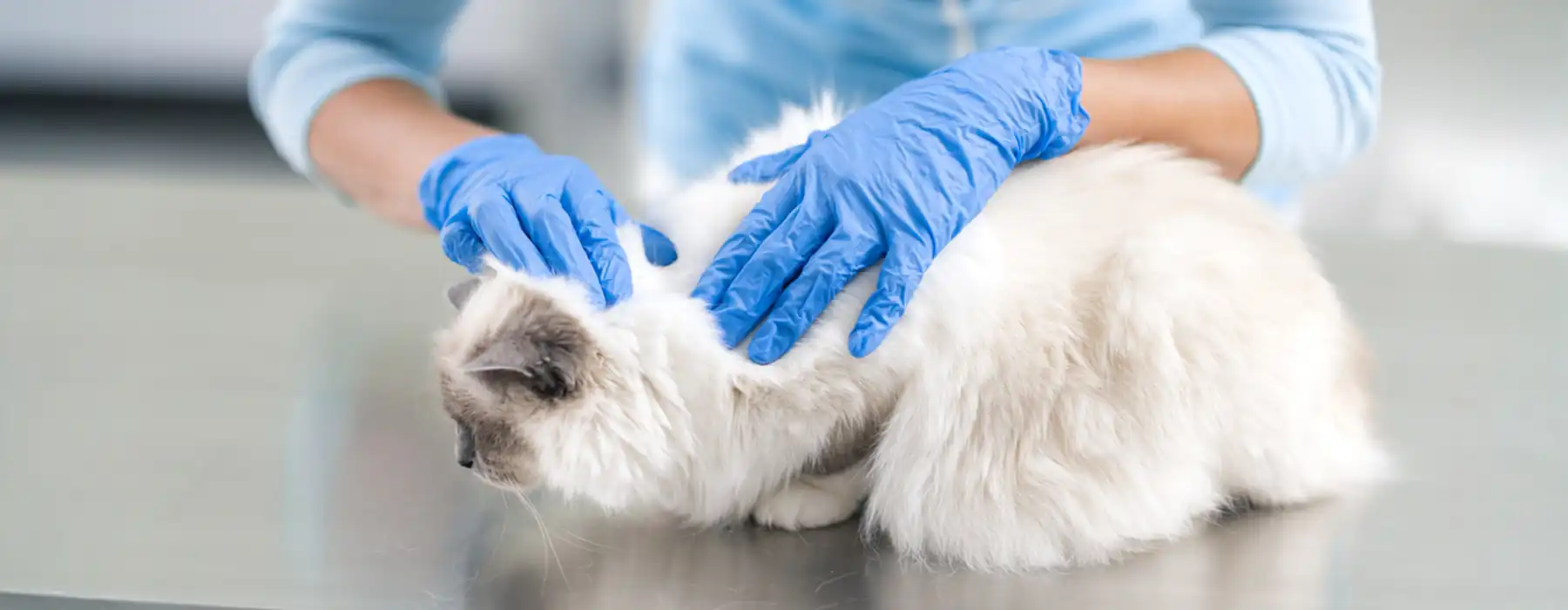
Cat Fleas Total Victory: How to Get Fleas Off Your Pet and Out of Your Home for Good
Cat Fleas Treatment and Prevention
If you’ve ever spotted tiny black specks of flea dirt on your cat’s fur, you already know the dread that follows, because cat fleas aren’t just a nuisance, since they’re relentless invaders that can turn your cozy home into a war zone. The bad news? Treating your cat alone is only about 5% of the battle, because the real fight, theother 95% happens in your home environment.
Let’s walk through your two-pronged annihilation plan — a realistic, science-backed way to wipe out fleas from your cat, your carpets, and your comfort zone for good.
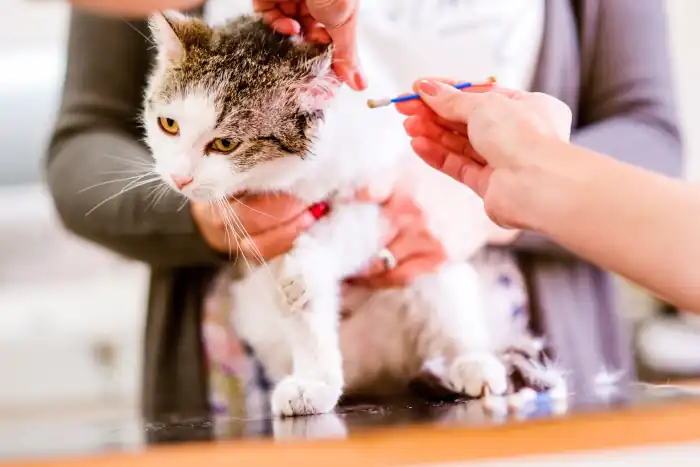
The Two-Pronged Attack: Cat + Home = Lasting Victory
Most people make one crucial mistake: they treat their cat, sigh with relief, and think the problem’s solved, but cat fleas don’t play fair. They’re experts in survival hiding eggs, larvae, and pupae deep in carpets, couches, and bedding.
While adult fleas make up only 5% of a flea infestation, the remaining 95% live in your home — waiting for the next warm, breathing host to pass by.
That’s why any effective cat fleas solution must focus on both the pet and the environment. Think of it as a synchronized mission: the cat gets relief, and the home gets a full-scale purge.
Step 1: Treating Your Cat — Fast, Safe, and Thorough
Your first move is compassion plus speed. The moment you notice scratching, red bumps, or excessive grooming, assume cat fleas have landed.
Start by giving your cat a vet-approved flea treatment. These are your best allies:
Topical spot-ons: applied to the back of the neck, offering month-long protection
Oral medications: fast-acting pills that kill fleas before they can lay eggs.
Flea shampoos: temporary relief, useful for immediate comfort.
Always check with your veterinarian before combining treatments. Some cats have sensitivities, and incorrect dosing can harm them.
While treating, remember — fleas reproduce at lightning speed, since each female can lay up to 50 eggs per day. That’s why flea control for cats must be continuous, not a one-time fix.
As you begin treatment, wash your cat’s bedding, toys, and blankets in hot water. Even one missed fabric item can restart the entire infestation.
Step 2: Declaring War on Your Home Environment
If your cat is the host, your home is the battlefield, since fleas, eggs, and larvae thrive in warm, shady areas carpets, baseboards, rugs, and soft furniture.
To get rid of them completely, think of it as a multi-day cleanse.
Start with vacuuming daily if possible. The vibration from the vacuum tricks pupae into hatching, making them vulnerable to removal; therefore, empty the vacuum outside immediately, otherwise, they crawl right back out.
Next, wash all linens, couch covers, and pet blankets in hot water, and dry them at the highest safe setting. Flea eggs and larvae can’t survive extreme heat.
If the infestation is large, use a home flea spray or fogger specifically labeled for indoor use and safe around pets. Focus on corners, behind furniture, and under cushions — the secret hideouts of the flea life cycle.
Don’t forget to repeat this cleaning cycle weekly for at least a month. Remember, fleas can lay dormant for weeks waiting for vibrations, warmth, or carbon dioxide to signal a host is nearby.
Step 3: Don’t Forget the Yard
Fleas love shaded, humid areas outdoors — under decks, bushes, and garden furniture. Your cat’s flea problem could be re-triggered every time they step outside.
Rake up fallen leaves, keep the grass short, and consider using a yard-safe insect growth regulator (IGR). These products stop larvae from developing into adults, breaking the flea life cycle before it ever reaches your doorstep.
Outdoor control is especially important if you have multiple pets or wildlife in your area. Stray animals often carry flea eggs and larvae, depositing them in your yard without you realizing it.
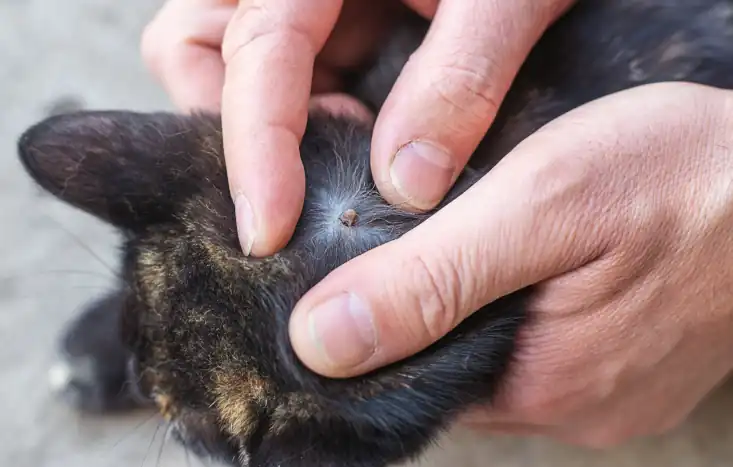
- TevraPet Actispot II Flea Treatment for Large Cats 9+ lbs | 6 Doses |…
- PetArmor Plus Flea and Tick Prevention for Cats, Cat Flea and Tick Treatment,…
- Advantage Topical Cat Flea Treatment and Prevention for Small Cats 2-9 lbs. |…
- Cheristin Flea Treatment & Prevention for Cats | Fast acting topical flea…
- TevraPet FirstAct Plus Flea and Tick Topical for Cats over 1.5lbs, 3 Dose…
Understanding the Flea Life Cycle — The Hidden Enemy
It’s not just about the fleas you see. Their life cycle has four stages: egg, larva, pupa, and adult, and each requires a different attack strategy.
Eggs fall off your cat and scatter through your home.
Larvae crawl into carpets and bedding, feeding on flea dirt.
Pupae encase themselves in cocoons, sometimes lying dormant for months.
Adults emerge when they sense heat and movement — ready to bite and breed again.
This is why treating just the cat fails: the unseen 95% is lurking, waiting, multiplying. Only a comprehensive cat fleas solution targeting all stages truly works.
Flea Allergy Dermatitis: When Fleas Trigger Bigger Problems
Some cats are hypersensitive to flea bites, a condition known as flea allergy dermatitis (FAD). Even a single bite can cause severe itching, redness, and hair loss.
If your cat seems unusually distressed, consult your vet immediately. They might prescribe anti-itch medication or antibiotics to heal skin infections caused by scratching.
Preventing re-infestation is the only long-term relief for FAD cats keeping them flea-free means keeping them pain-free.
Bye Bye Fleas: Maintaining Year-Round Flea Prevention
After you’ve conquered the initial invasion, don’t let your guard down. Flea control for cats isn’t a seasonal task — it’s a year-round commitment.
Keep your cat on a monthly preventive treatment, vacuum regularly, and wash their bedding often. Think of it like brushing your teeth consistent small habits that prevent big problems.
And remember: cleanliness alone isn’t enough. Fleas are survivors. Only a full cat and environment approach keeps them from coming back.
So take pride in your persistence every vacuum session, every wash cycle, and every preventive dose means one thing: you’re winning.
The American Perspective vs. the Rest of the World
In the U.S., most cat owners treat flea infestations quickly with vet-approved medications, often available over the counter. But in many other parts of the world especially rural regions people rely on homemade remedies or infrequent cleaning, which often allows flea infestations to rebound.
Cultural differences in pet care also play a role. American homes often have wall-to-wall carpeting, a perfect environment for flea eggs and larvae, while tiled or outdoor living spaces in warmer countries make it easier to keep infestations under control.
No matter where you live, though, the principle stands: treat the cat, but never forget the home. That’s the global secret to saying goodbye to fleas forever.
A Quick Recap: Your Cat Fleas Annihilation Checklist
Even without bullet points, here’s the rhythm of your plan:
Treat the cat fast and safely, clean every fabric surface in your home, vacuum like you mean it, target the flea life cycle, and maintain monthly prevention. It’s not glamorous but it’s the only route to true relief.
Every stage of action chips away at that 95% hiding under your feet, until one day you realize your cat’s fur is soft again, the scratching has stopped, and your home feels peaceful once more.
Conclusion: Your Home, Your Cat, Your Victory
You and your cat deserve peace, not pest battles. Start your two-pronged attack today treat your cat, treat your home, and protect your space year-round. Fleas may be small, but your determination is bigger.
Fleas bug everyone! Here’s a safe way to send them packing from your kitty — for good.
Product Tips
-
Ceramic Aquarium Fish Terrarium Insect Shelter Pottery House
Original price was: $7.39.$2.59Current price is: $2.59.




Disclosure: This site participates in various affiliate programs, including Amazon Services LLC Associates, eBay Partner Network, AliExpress Affiliate Program, and others. This means we may earn a commission on qualifying purchases made through links on this site, at no additional cost to you.
New Posts
- The Fascinating World of Exotic Pets You Can Legally Own

- Pet Environment Safety: A Happier, Greener Life for Animals and People

- The Exciting World of Reptile Spring Awakening
- The Joyful Return of Wings: Understanding Butterfly Spring Reproduction

Categories
Tags
animal conservation animal protection animal welfare cat grooming tips cat mental health Cats Health cat training dog behavior dog grooming Dog travel tips farm animal care farm animals farmyard animals Rabbit Care Tips working animals



Share: