
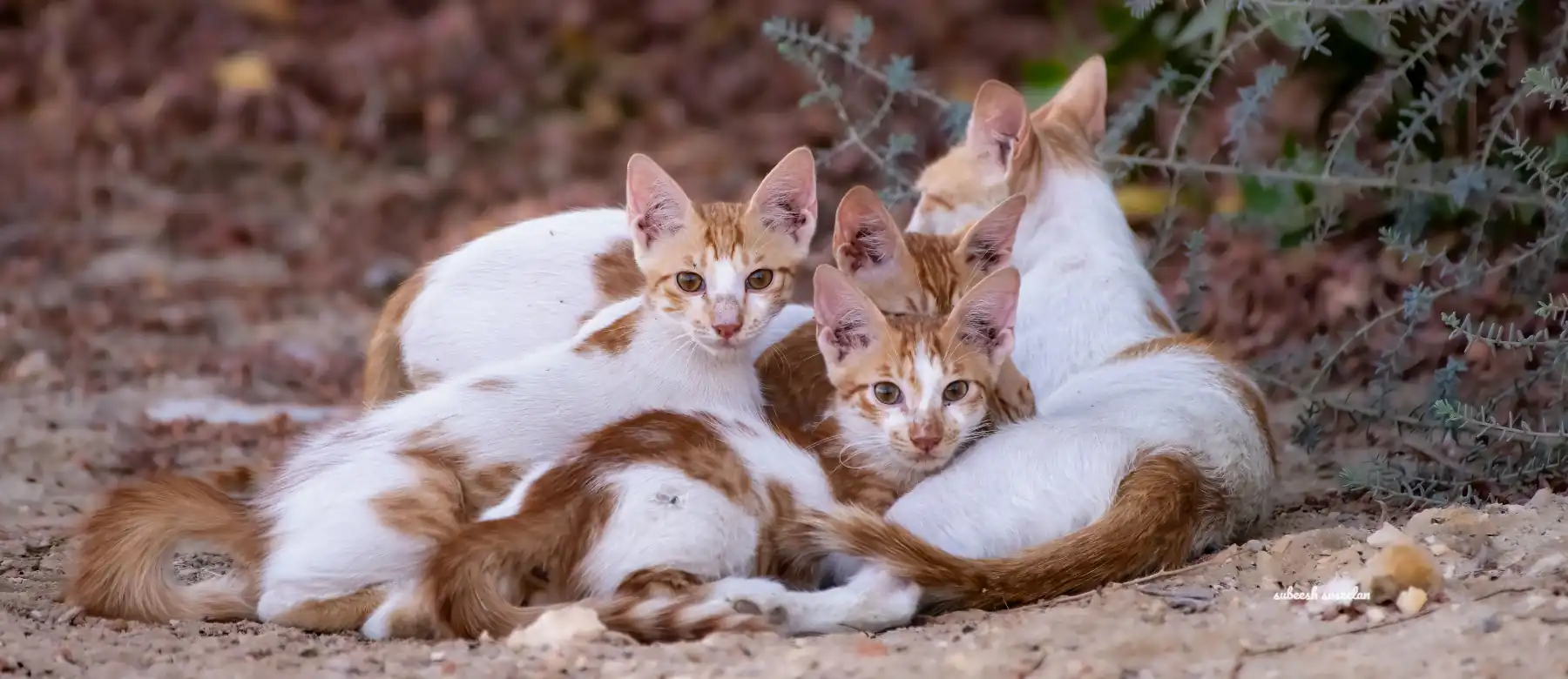
Feline Viral Diseases; Hope Beyond the Diagnosis of Fiv, Felv, and Fip
Feline Viral Diseases Explained: Understanding FIV, FeLV, and FIP in Shelter Cats
Shelter cats diagnosed with Feline Viral Diseases (specifically FIV, FeLV, and FIP) often carry more than a medical label — they carry stigma, fear, and misunderstanding. For many adopters, these three letters feel like an automatic “no,” even though modern veterinary science and real-world rescue experience tell a very different story.
Understanding how FIV, FeLV, and FIP truly behave — how they spread, how they are managed, and what life actually looks like for affected cats — can completely change how we view “special positive” cats. These conditions are serious, but they are not uniform, not always contagious in the ways people assume, and not immediate death sentences. For shelters overwhelmed by medical cases, education is one of the most powerful lifesaving tools available.
This guide explores the reality behind chronic feline viruses, focusing on life expectancy, transmissibility, and what it truly means to adopt or foster a cat living with one of these diagnoses.
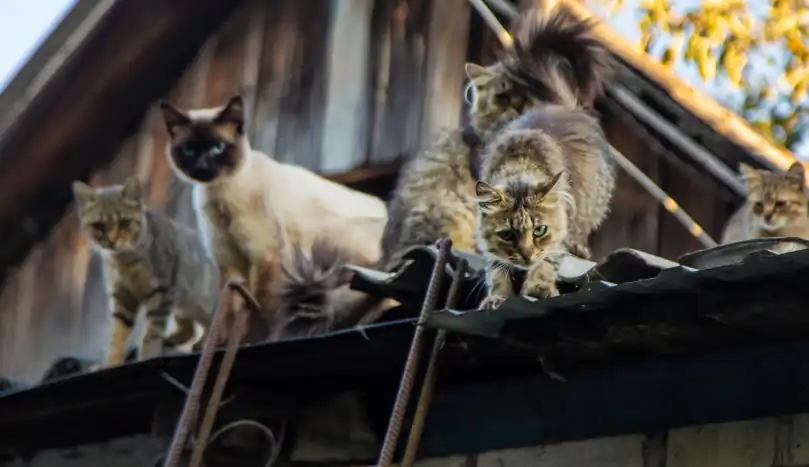
Why Feline Viral Diseases Inspire So Much Fear
Misunderstanding, Not Medicine, Is the Real Barrier
The fear surrounding Feline Viral Diseases (specifically FIV, FeLV, and FIP) often comes from outdated information and emotional shorthand. Many people assume that all three viruses are highly contagious, rapidly fatal, and incompatible with other pets. In truth, each virus behaves very differently inside the feline body, and the prognosis for an individual cat depends on care, environment, and early intervention far more than the label itself.
Shelters see the consequences of this fear every day. Cats who appear healthy, playful, and affectionate may be overlooked or euthanized simply because adopters misunderstand immune suppression, viral transmission, or long-term management. When myths replace medical facts, lives are shortened unnecessarily.
FIV (Feline Immunodeficiency Virus): A Manageable Immune Condition
Living Well With “Feline AIDS”
FIV (Feline Immunodeficiency Virus) is often compared to HIV in humans, earning the nickname feline AIDS. Like its human counterpart, FIV causes gradual immune suppression, not immediate illness. Many cats live for years — even a full lifespan — without showing serious symptoms.
FIV is most commonly transmitted through deep bite wounds, typically associated with unneutered outdoor males who fight over territory. Casual contact such as shared food bowls, grooming, or sleeping together is extremely unlikely to spread the virus. In stable indoor homes, transmission risk is considered minimal by veterinary specialists.
Cats living with FIV may experience more frequent infections over time, including respiratory or dental issues, but attentive care makes a profound difference. Twice-yearly vet visits, prompt treatment of minor illnesses, and high-quality feline nutrition allow FIV-positive cats to thrive. Many households successfully integrate FIV-positive cats with non-infected companions without incident.
From a rescue perspective, living with FIV+ cats is less about fear and more about awareness. These cats are often affectionate, calm, and deeply bonded to their caregivers — perhaps because stability replaces the stress that once weakened their immune systems.
FeLV (Feline Leukemia Virus): A Serious but Not Hopeless Diagnosis
Managing a Feline Retrovirus With Compassion
FeLV (Feline Leukemia Virus) is a feline retrovirus that affects the immune system and bone marrow, increasing vulnerability to secondary infections, anemia, and certain cancers. Unlike FIV, FeLV can be transmitted through prolonged close contact, including grooming, shared bowls, and litter boxes.
While there is no cure, FeLV is not an immediate terminal diagnosis. Many FeLV-positive cats live for years with good quality of life when supported by indoor housing, reduced stress, proper nutrition, and vigilant veterinary care. The availability of an effective FeLV vaccine has also dramatically reduced transmission risk in mixed households.
For shelters, fostering FeLV+ cats is both a challenge and an opportunity. Medical monitoring requires commitment, but these cats often form intense bonds with caregivers. Their emotional intelligence, gentleness, and adaptability frequently surprise adopters who initially feared the diagnosis.
FeLV management focuses on prevention of secondary illness rather than fighting the virus itself. Clean indoor environments, prompt treatment of infections, and avoiding exposure to unfamiliar cats are essential. With thoughtful care, FeLV becomes a chronic condition rather than a constant crisis.

- 1-48 of over 1,000 results for "high calorie cat food"
- 1-48 of 199 results for "kitten dewormer"
- 1-48 of 583 results for "cat flea treatment"
- 1-48 of 109 results for "advantage 2 for cats"
- 1-48 of 583 results for "cat flea treatment"
- 1-48 of over 1,000 results for "cat kidney support"
- 1-48 of 140 results for "porous one for cats"
- Pet Eye Drops | Pet Eye Health Formula – Treats & Prevents Eye Diseases in…
FIP (Feline Infectious Peritonitis): A Once-Fatal Disease Transformed
From Hopeless to Treatable
For decades, FIP (Feline Infectious Peritonitis) was considered universally fatal. Caused by a feline coronavirus mutation, FIP develops unpredictably in a small percentage of infected cats. Unlike FeLV or FIV, FIP is not spread cat-to-cat; the dangerous mutation occurs inside an individual animal.
FIP presents in two forms: wet FIP, marked by fluid buildup in the abdomen or chest, and dry FIP, which involves inflammatory lesions affecting organs, eyes, or the nervous system. Symptoms can be vague at first, often delaying diagnosis.
The landscape changed with the emergence of antiviral treatments such as GS-441524. While still expensive and not universally accessible, these medications have transformed FIP from a death sentence into a survivable disease for many cats. Success rates continue to rise as protocols improve and awareness spreads.
This shift has had a profound impact on shelter medicine. Cats once deemed unadoptable now have a future, and rescues increasingly advocate for treatment access rather than euthanasia. The story of FIP today is one of cautious hope — a reminder that veterinary science is evolving faster than public perception.
Special Needs Cat Adoption: Redefining “Adoptable”
Love Is Not Limited by a Diagnosis
Special Needs Cat Adoption challenges the idea that health equals worth. Cats living with chronic viral conditions often require more monitoring, but they also bring extraordinary emotional rewards. Rescuing “special positive” cats is not about charity — it’s about informed compassion.
Adopters who open their homes to FIV-positive or FeLV-positive cats often report deeper bonds, heightened awareness, and a stronger sense of partnership in care. These cats tend to be calmer, more people-focused, and deeply appreciative of stability.
Education is the turning point. When adopters understand real transmission risks, realistic life expectancy, and daily management, fear gives way to confidence. The result is fewer cats languishing in shelters and more living safely in permanent homes.
Animal Rescue Challenges in a Changing World
TNR, Kitten Season, and Medical Overload
Modern shelters face mounting pressure from animal rescue challenges that extend beyond individual diagnoses. TNR (Trap-Neuter-Return) interruptions, particularly during public health crises, have contributed to population surges. Kitten season now lasts longer, and shelters receive more cats with compromised immune systems and untreated conditions.
Medical care has become both more advanced and more expensive. Shelters must balance limited resources against increasing need, making adopter education essential. When communities understand Feline Viral Diseases (specifically FIV, FeLV, and FIP), shelters gain allies instead of obstacles.
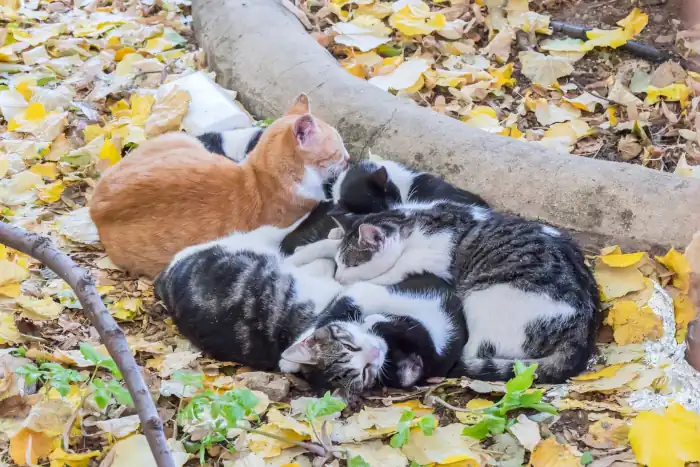
Feline Health Management: What Truly Makes the Difference
Consistency Over Perfection
Across all chronic feline viruses, the fundamentals remain the same. Indoor cat safety dramatically reduces exposure to pathogens and stress. Regular veterinary monitoring catches complications early. Nutrition tailored to immune support helps cats maintain strength and resilience.
No cat requires perfection — only consistency. Small, attentive actions compound into longer, healthier lives. Whether a cat is FIV-positive, FeLV-positive, or recovering from FIP, quality of life is shaped far more by environment and care than by diagnosis alone.
A Global Perspective: The U.S. and the Rest of the World
Different Systems, Shared Responsibility
In the United States, access to testing, vaccines, and emerging treatments has improved outcomes for cats with chronic viral diseases. However, stigma still drives euthanasia decisions in many shelters. In other parts of the world, limited veterinary infrastructure makes early diagnosis and long-term management more difficult, yet community caregiving models often allow infected cats to live naturally within colonies.
The contrast highlights a shared truth: medical tools matter, but cultural attitudes matter just as much. Wherever cats live, understanding replaces fear — and understanding saves lives.
Conclusion: Choose Knowledge, Choose Compassion
Before walking past a cage card marked FIV, FeLV, or FIP, pause. Ask questions. Learn the facts. Talk to veterinarians and rescue workers who see these cats thrive every day. Choosing to foster, adopt, or even advocate for education can change the outcome of a life that others were too afraid to consider.
Sometimes, the cats who need us most are simply waiting for someone who understands.
Product Tips
-
Dog Feeders Round Water Food Bowl Stainless Steel Pet Supply
Original price was: $22.46.$10.56Current price is: $10.56. -
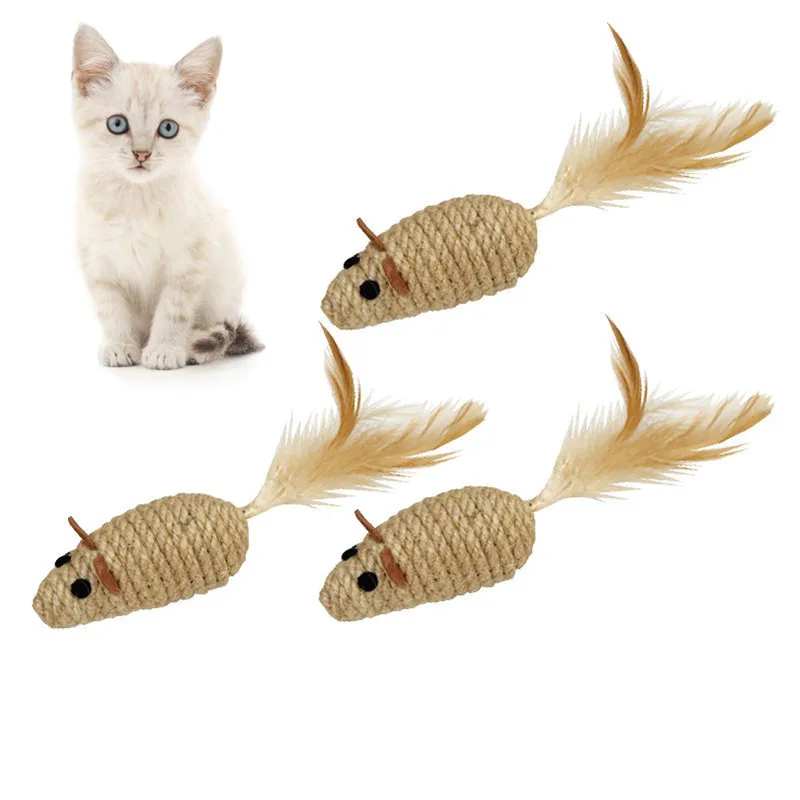
Sisal False Mouse Cat Toy Bite Resistance Stuffed Toy
Original price was: $5.25.$2.62Current price is: $2.62.



Disclosure: This site participates in various affiliate programs, including Amazon Services LLC Associates, eBay Partner Network, AliExpress Affiliate Program, and others. This means we may earn a commission on qualifying purchases made through links on this site, at no additional cost to you.
New Posts
- The Fascinating World of Exotic Pets You Can Legally Own

- Pet Environment Safety: A Happier, Greener Life for Animals and People
- The Exciting World of Reptile Spring Awakening
- The Joyful Return of Wings: Understanding Butterfly Spring Reproduction

Categories
Tags
animal conservation animal protection animal welfare cat grooming tips cat mental health Cats Health cat training dog behavior dog grooming Dog travel tips farm animal care farm animals farmyard animals Rabbit Care Tips working animals


Share: