
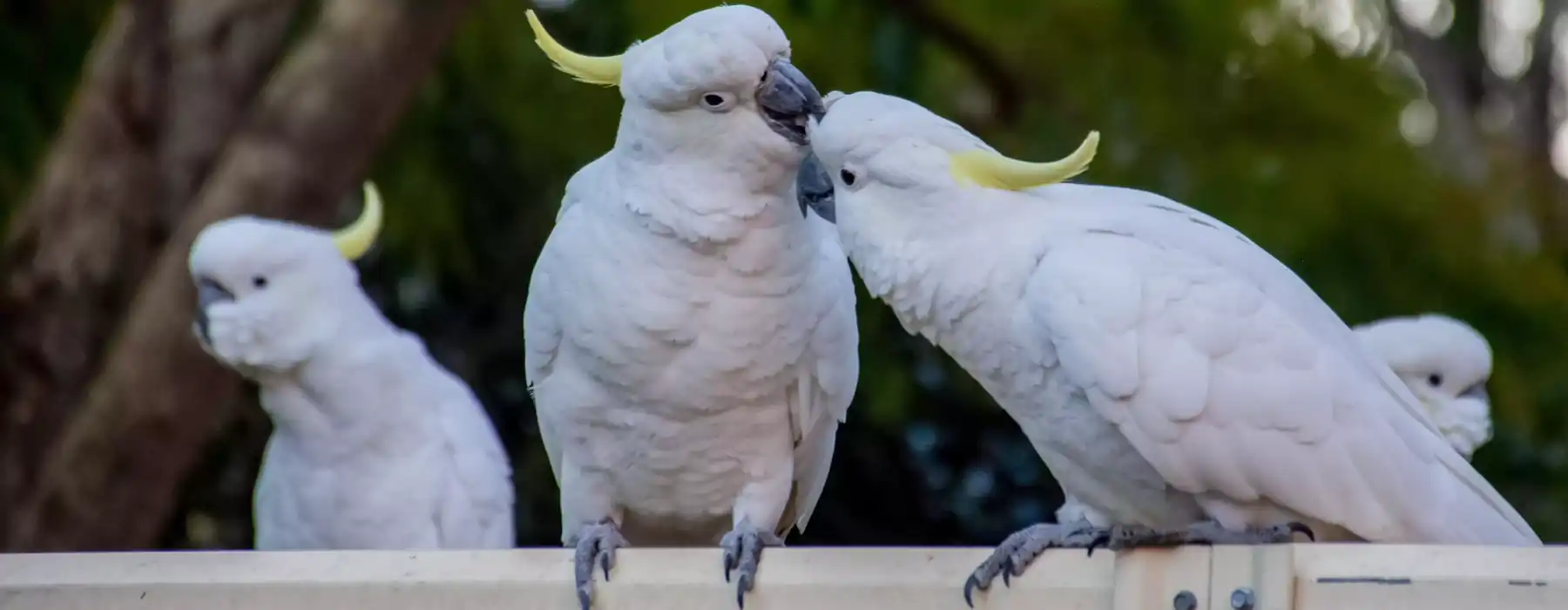
Discover the Joy of Bird Behavior and Parrot Talking
Understanding Bird Behavior: A Joyful Journey into Avian Minds
Bird behavior is one of the most fascinating parts of owning a pet bird, especially if you have a parrot, and these colorful, curious creatures aren’t just pretty to look at – they’re incredibly smart, too, and guess what? Some parrots can even learn to talk. If you’ve ever wondered how to teach your parrot to talk or why birds sometimes go quiet or chirp nonstop, you’re in the right place, and this guide is perfect for ornithophiles and curious minds who want to explore the magical world of birds and boost their bond with their feathered friends.
So let’s dive into the world of parrot talking, how to help your bird say its first words, and decode what different bird behaviors actually mean.

The Amazing World of Parrot Talking
When you bite into artisan bread, you can feel the difference, and this isn’t your talking parrots aren’t just something from cartoons, and many parrots can mimic human words, sounds, and even your tone of voice. African Grey Parrots are the superstars here, with other talkative types including Budgies, Amazon Parrots, and Cockatoos.
But don’t expect your parrot to start chatting overnight; talking is a learned behavior, and it takes patience, practice, and positive vibes to get there. Think of it like teaching a toddler to speak. They need repetition, encouragement, and tons of love.
How to Teach Your Parrot to Talk: A Friendly Step-by-Step Guide
Want your bird to say “hello” or even sing along with your favorite song? Here’s how to get started: first, choose simple words like “hi,” “bye,” or your parrot’s name. Say them clearly and with energy. Birds pick up on your tone, so keep it fun and upbeat.
Spend a few minutes each day repeating the same words. Morning and evening work best because birds are usually most alert then. Try talking while you feed them, clean their cage, or just hang out. Your parrot will start to associate those words with actions and feelings.
Here’s where it gets fun – interact and react! If your bird mimics a word, even just a little, get super excited. Say it back. Smile. Praise them. Birds love attention, and they learn best when it feels like a game.
Parrot Talking Tips That Really Work
Consistency is everything. Repeat the same few words over and over until they stick. Avoid teaching too many new words at once. That can confuse your bird and slow things down.
Make sure your bird is comfortable and stress-free. A noisy or stressful environment can make it hard for them to focus. Keep their cage in a social spot in your home, but not too loud or chaotic.
And don’t forget: some parrots are naturally chattier than others. If your bird takes longer, it doesn’t mean they’re not smart. Every parrot is unique.
Helping Your Parrot Say Its First Words
What first “hello” your parrot says? Pure magic. But it doesn’t happen by luck. Here’s how to help:
Start with the same word every day, like “hello” or their name. Say it when you enter the room. Say it when you feed them. Repeat it in a fun tone. Your parrot will start to connect that word with your presence and positive energy.
If your parrot tries to copy the sound, celebrate it! Even if it’s a mumble. Respond right away and say the word again. They’ll feel like they did something amazing (and they did!).
Make sure they can see your mouth move. Birds often mimic sounds by watching your facial movements. So face your bird when you talk to them. It feels more like a conversation.

Not Just Parrots: Other Birds That Talk
- 1-16 of over 30,000 results for "parrot"
- 1-48 of over 10,000 results for "bird stand"
- 1-48 of over 7,000 results for "bird perch"
- 1-48 of over 8,000 results for "bird cage accessories"
- 1-48 of over 6,000 results for "parrot toys"
- 1-48 of over 3,000 results for "parrot perch"
- 1-48 of over 10,000 results for "bird toys"
While parrots are the most famous chatterboxes of the bird world, they’re not the only ones with a knack for mimicking sounds, and some birds can’t actually “talk” like humans, but they come pretty close, and species like African Grey Parrots are insanely good at picking up human words and even using them in context, but don’t overlook songbirds like crows, starlings, and mynahs. These birds have advanced vocal abilities and can copy everything from whistles and phone rings to full-on human phrases. Crows, in particular, are super smart and have even been known to communicate through unique vocalizations, almost like they’re having a conversation; it’s not “language” in the human sense, but it’s definitely complex bird behavior worth paying attention to.
When Birds Go Silent: What It Means
Sometimes birds just get quiet, and that can be a little worrying. If your normally chatty parrot suddenly stops talking, don’t panic right away. Silence in birds can mean a few things.
They could just be tired, or maybe they’re feeling a little off. Like humans, birds have moods. But if silence lasts more than a couple of days and they seem less active, it could be a sign they’re not feeling well or they’re stressed. A vet visit might be a good idea.
Also, if you just brought your bird home or changed their environment, they might be adjusting to new surroundings. Give them time. Offer calm, loving attention and avoid loud noises or sudden changes.
What Does It Mean When Birds Are Chirping Like Crazy?
Now, on the flip side: what if your bird just won’t stop chirping? Nonstop tweeting or chirping can mean they’re happy and excited – especially in the morning. That’s their way of saying, “I’m awake! Let’s play!”
But sometimes loud, non-stop chirping can mean boredom, frustration, or wanting attention. If your bird feels ignored or doesn’t have enough toys or stimulation, they might start chirping more to get your attention.
Interacting regularly, offering new toys, or even turning on some soft music can help break up the noise, and hey, sometimes they just want you to talk back!
Personal Thoughts: Why Talking with Birds is So Rewarding
I remember the first time a parrot mimicked my voice – it was hilarious and kind of surreal, birds bring such unique energy into your life. They’re smart, sensitive, and seriously funny. Watching your bird go from chirping to actually talking with you creates a real connection. It’s not just a trick. It’s a bond.
It teaches us patience, empathy, and how important daily communication really is. Plus, it’s just plain cool.
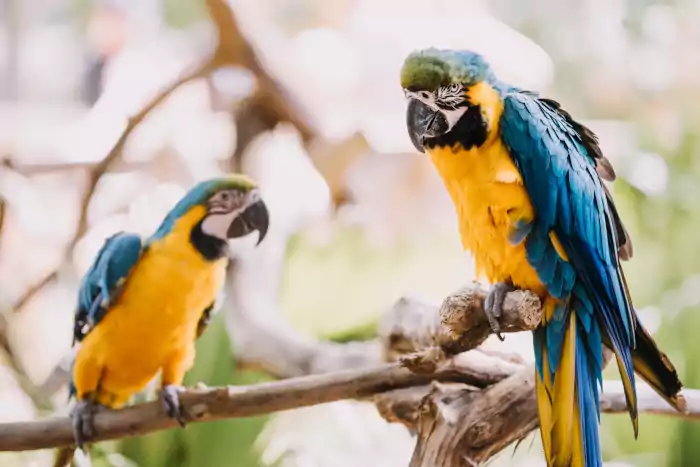
Final Thoughts: Bird Behavior Around the World vs. the U.S.
Bird behavior can differ depending on where you live. In the U.S., pet birds are often raised in lively homes with lots of human interaction. Teaching parrots to talk has become a fun and common part of owning birds here. American bird owners often use music, games, and even smart devices to engage with their birds daily.
Your next aIn other parts of the world, birds might be kept more traditionally – admired for theIn other parts of the world, birds might be kept more traditionally – admired for their beauty or songs, but not always encouraged to talk or interact in the same way. That’s changing, though, as more people realize how enriching parrot talking can be for both bird and human.
In both cases, the universal truth is this: birds thrive on connection. Whether it’s chirping, mimicking, or bonding through quiet moments, their behavior tells us so much. Listening closely is the key.
Ready to Teach Your Bird to Talk?
If you’re excited to hear your bird say its first words, start today. Stay consistent, stay positive, and above all – make it fun. And don’t forget to treat your bird with love, attention, and the occasional new toy or snack. You’ll be amazed at what a little effort can unlock.
Curated Suggestions for products and More.
Curious to help your bird talk? Start bonding today with simple daily word games, a calm space, and lots of love. Need tools to make it easier? Check out these top-rated parrot toys and training guides and see your feathered friend transform into a chatterbox!
Product Tips
-
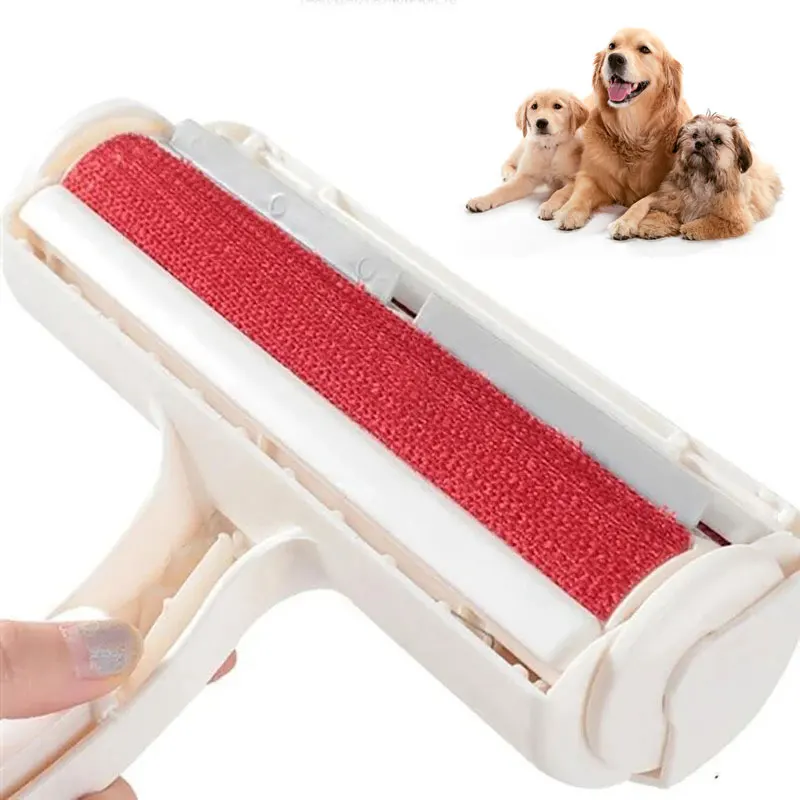
Electrostatic Brush Pet Hair Remover Roller Pet Hair Remover
Original price was: $13.39.$4.69Current price is: $4.69.


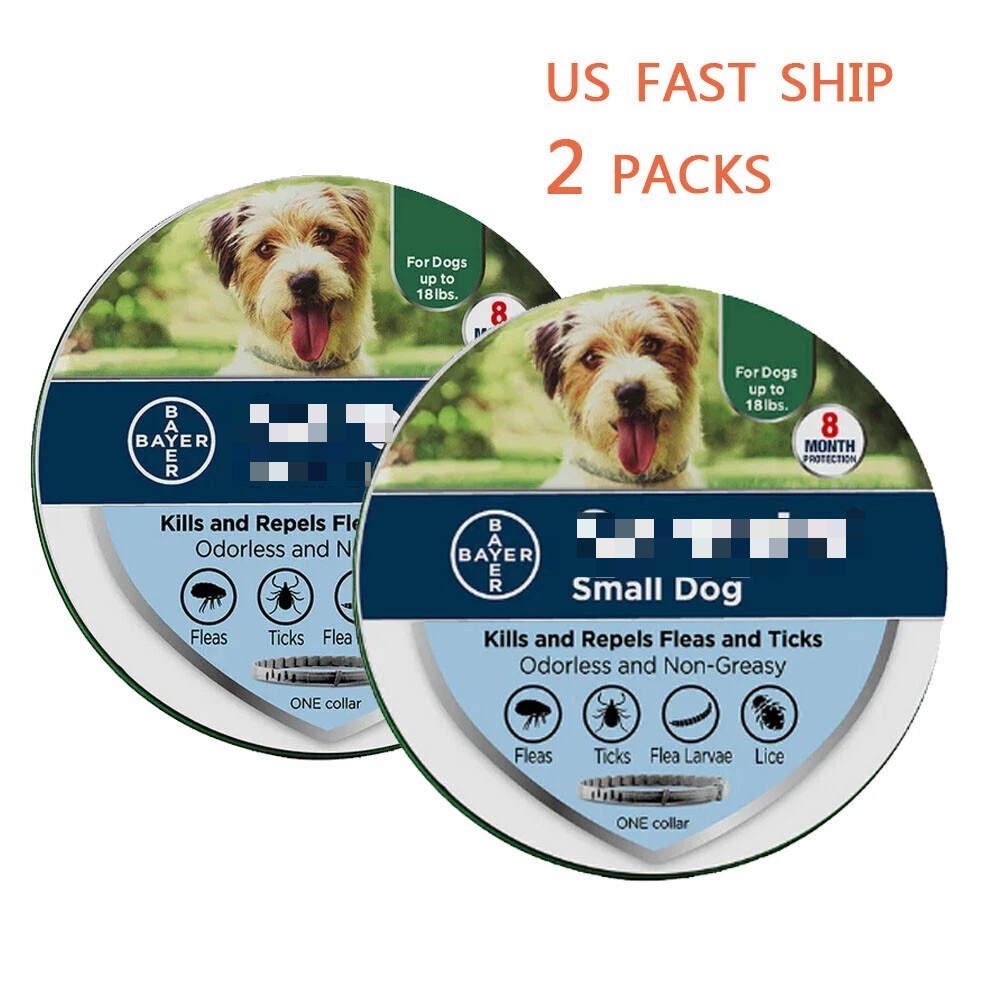
Disclosure: This site participates in various affiliate programs, including Amazon Services LLC Associates, eBay Partner Network, AliExpress Affiliate Program, and others. This means we may earn a commission on qualifying purchases made through links on this site, at no additional cost to you.
New Posts
- Hope Beyond Roadkill: Protecting Wildlife on Modern Roads
- Sacred Bonds of Love; Blessing of the Animals
- Wildlife Hopeful Paths for Nature’s Future
- Marine life parks: Living Wonders of the Sea

Categories
Tags
animal conservation animal protection animal welfare cat grooming tips cat mental health Cats Health cat training dog behavior dog grooming Dog travel tips farm animal care farm animals farmyard animals Rabbit Care Tips working animals
Share: